DOJ Investigates Networks Boycotting White House Events After Trump's Media Ban
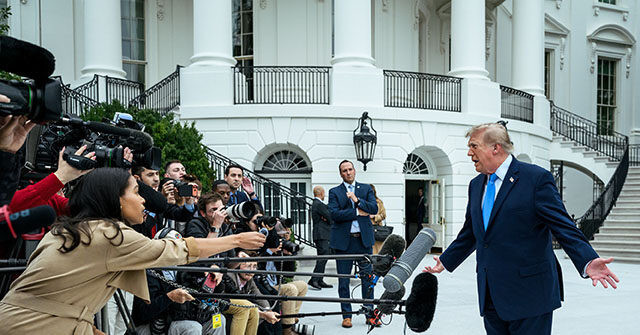
In a stunning twist of fate, the U.S. Department of Justice has found itself leading the inquiry into whether major television networks are boycotting White House events. Yes, you heard that right! Just when you thought it couldn’t get any more absurd, the DOJ has stepped in like a concerned parent watching the kids argue over whose turn it is on the swing set.
The investigation revolves around ABC, CBS, CNN, NBC, and Fox News – a veritable all-star cast of the television press pool. Following President Trump’s illustrious ban on CNN and other outlets for their alleged propensity for ‘fake news’, these networks took a stand, collectively withdrawing from press coverage of White House events. Now, the DOJ has swung into action, seeking to determine if this coordinated withdrawal violated the Sherman Act, which typically applies to businesses not playing nicely together.
Still Beats Watergate:
Sponsor success. Continue reading:
In a world where competition is king, it seems the DOJ is now poised to ensure that these news outlets are not playing too nice. With officials reportedly demanding internal communications as if they were seeking the secret recipe for Coca-Cola, the DOJ's inquiry could lead to a sitcom-worthy clash where network executives face off against government authorities in a battle of wit and paperwork.
But what does this actually mean for the average viewer, who is already struggling to distinguish between fact and fiction in the media? The answer, of course, is more confusion wrapped in a nice bow of irony. As the networks back away from covering the White House, we might just witness an unprecedented event in journalism: a day when the press pool is actually... empty!
Unsurprisingly, the Department of Justice is claiming that this potential boycott could violate antitrust laws designed to keep the media marketplace lively and, dare we say, competitive. Meanwhile, the press is left to ponder whether their collective avoidance of covering the White House is a noble protest or just another episode of ‘who can avoid the most embarrassing questions about their ratings.’
Will this investigation lead to new regulations on how news organizations must cover the government? Or will it simply result in more bureaucratic footnotes and less transparency about how the news is made? As the DOJ tries to untangle this web of media relationships, one thing is for sure: we’re all just waiting for the punchline.
What Happens Next for the Networks?
As we sit back and grab our popcorn, we must wonder how these news organizations will respond. Will they create a new channel dedicated solely to reporting on the DOJ’s actions, thereby ensuring they’re never really out of the limelight? Or will they hold a press conference to announce their new strategy: ‘The Boycott Chronicles’? Only time will tell.
In the spirit of good fun and fairness (which is not at all what any of this is about), let us hope that the DOJ and the networks find a way to communicate. After all, if there’s one thing America loves more than a scandal, it’s a good old-fashioned media circus. And if the DOJ can turn this investigation into a thrilling drama, we might all just tune in for the next episode!
In conclusion, the DOJ’s investigation of these networks serves as a humorous reminder that when it comes to government oversight of the press, the laughter may often drown out the actual news.
Your takeaway
As we navigate the murky waters of media and governance, remember: when it comes to press freedom and accountability, sometimes it’s all just a game of who can outwit whom, and the rest of us are merely spectators in this grand spectacle of political theater.