Court Orders Trump to Cancel Political Ads, Calls It Public Service Maybe
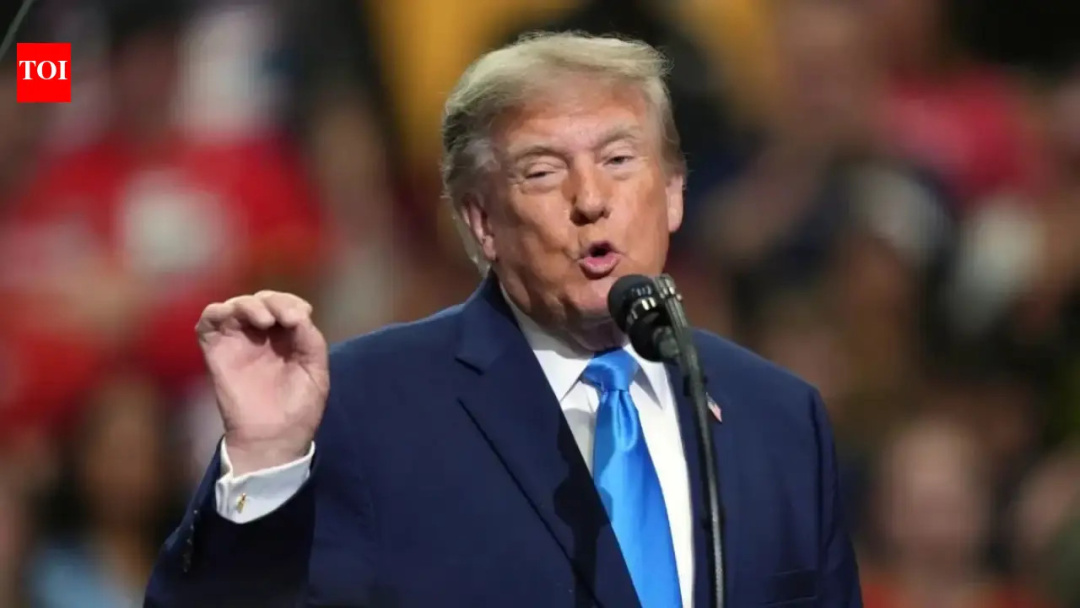
In an unprecedented turn of events, a US district judge has ordered the Trump administration to cancel its taxpayer-funded television commercials, citing a clear distinction between public service and political advertisement. The ruling has sparked a wave of confusion, particularly within the administration, which has long claimed that its ads are as helpful as a map to a blindfolded tourist.
The judge, Jennifer L. Rochon, issued a temporary restraining order on Sunday, directing the administration to halt any commercials that, according to nonpartisan watchdog Common Cause, were more about political promotion than public benefit. The administration's response? ‘We thought confusing the public was part of the job description!’
Still Beats Watergate:
Sponsor success. Continue reading:
The $20 million allocated for these ads came from a hefty $175 million package designed for immigration enforcement. However, it appears the only enforcing going on was the administration's continued efforts to reinforce its own image. After all, if a political message comes wrapped in taxpayer dollars, does it really even matter what it’s about? In a shocking twist, the ads were found to resemble a campaign commercial from Trump’s latest bid for re-election, showcasing a level of creativity that even Picasso would question.
In a spirited defense, the White House insisted these commercials were akin to previous administrations’ public service announcements. Ah yes, let’s just ignore the striking differences. While past administrations informed citizens about how to access programs, this administration apparently thought advertising its greatness qualified as public service. Because nothing says ‘public benefit’ like a taxpayer-funded ad that looks suspiciously like a campaign rally flyer.
Implications of a Changing Strategy
As the legal battle unfolds, one can’t help but wonder about the implications of this ruling. Will the administration pivot to using influencer marketing next? Perhaps a TikTok campaign urging citizens to ‘Tell Your Friends to Vote Trump!’ A strategy that’s bound to make even the most dedicated political analysts shake their heads in disbelief.
Affecting you
With the court’s decision, it seems the administration is left scrambling to determine how to roll out its messaging without crossing the line into illegal territory. Perhaps they will just revert to the classic strategy of shouting louder, as they have in the past. After all, if you can’t convince them with facts, confuse them with rhetoric!
In conclusion, the ongoing saga of taxpayer-funded political messaging has taken yet another bizarre turn, leaving many to ponder: if transparency is the goal, shouldn’t we all be able to see where the money is actually going? Or will the only clear answer be found in the next budget proposal?