The Bureaucratic Oscars of Animation: A Safety Net for Aging Classics
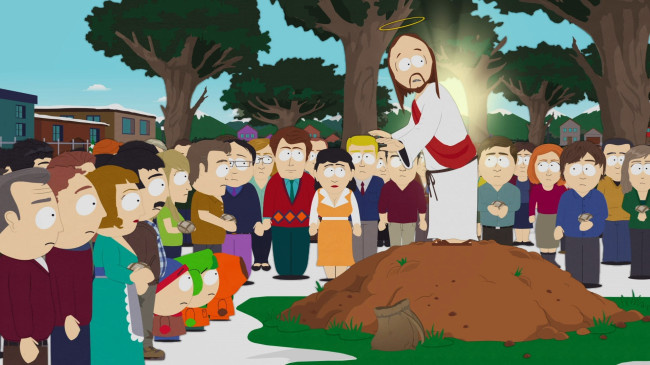
In a bold move that has stunned absolutely no one, the Emmys have reaffirmed their commitment to the status quo by nominating the same animated series that have been around longer than most of their viewers. This year’s nominees include the beloved stalwarts such as The Simpsons and South Park, proving that when it comes to innovation, the Emmys prefer the comfort of their own nostalgia over any risk of actually acknowledging the plethora of new talent in the animation world.
The Emmys have taken a decisive stand against change, issuing a memo outlining their strategy for this year's nominations: Why bother with fresh ideas when you can celebrate the same old characters that have been milking the same jokes for decades? The internal document emphasized the importance of “institutional safety” over “creative exploration.” This bureaucratic logic is reminiscent of a corporate retreat where everyone decides to stick with the bland salad instead of trying the spicy new dish that might lead to unexpected flavor explosions.
Still Beats Watergate:
Sponsor success. Continue reading:
In a press briefing that was more about managing expectations than celebrating achievements, the Emmys' spokesperson explained the reasoning behind this year’s choices. "We believe in honoring our classics. The viewers love them, and they’re comfortable. New shows might confuse the audience, and we can’t have that," said the spokesperson while nervously glancing at the door as if hoping no one would propose an original idea.
Critics are scratching their heads, wondering if the Emmys’ voting system is set up to automatically nominate anything that has been on air since the last millennium. Perhaps it’s time to consider a new category: Best Animated Series That Should Have Been Canceled Years Ago. This could create a thrilling atmosphere of competition among the nominees, ensuring that only the most redundant shows take home the coveted golden statue.
Meanwhile, the animation community is left wondering if their submissions are even being read or if they simply end up in a dusty corner of the archives, right next to the VHS tapes of long-forgotten sitcoms. The Emmys seem to be operating under the mantra that if it ain’t broke, don’t fix it—unless, of course, fixing it means acknowledging the existence of innovative new series that might actually challenge the status quo.
As the ceremony approaches, viewers are advised to brace themselves for yet another night of comfortable familiarity punctuated by awkward acceptance speeches from voice actors who have long since realized that their characters are the real stars. The Emmys clearly understand that staying safe is the best strategy, especially in an industry constantly teetering on the edge of creativity. In the end, the real question remains: how many more years can the Emmys rely on the past before they finally have to reckon with the future?