Trump Administration Declares War on International Criminal Court with Sanctions and Slogans
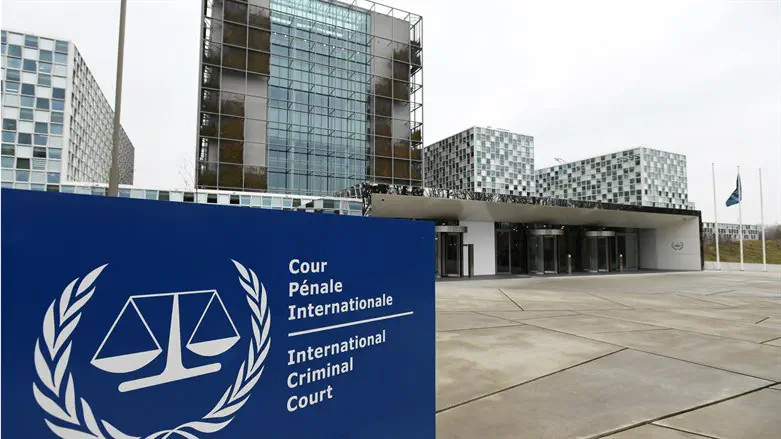
In a stroke of ironic genius, Secretary of State Marco Rubio announced that the Trump administration is imposing sweeping financial sanctions against the International Criminal Court (ICC), a judicial body that has the audacity to think it can judge American actions abroad. This unprecedented move signifies a new phase in U.S.-ICC relations—think of it as a high school drama where the prom king is determined to dismantle the student council just because it dared to reprimand him for his behavior.
Rubio, in a pre-recorded video message, positioned himself as a defender of American sovereignty, arguing with the fervor of a toddler refusing to share toys that "the United States and the American people are not subject to the jurisdiction of this fake ICC." It’s heartwarming to see such unwavering loyalty; however, one wonders if he also believes that not letting the ICC play with the big kids will somehow make it disappear.
Still Beats Watergate:
Sponsor success. Continue reading:
In a double whammy of political theater, the sanctions target ICC assets, which really sends a message: the U.S. isn’t just angry; it’s prepared to take all the marbles home. The administration has previously sanctioned 17 individuals associated with the ICC, including judges and prosecutors who had the gall to think they could hold U.S. personnel accountable. Now, the Trump administration is digging deeper into its bag of tricks, sanctioning the institution itself as if it were a rebellious teenager who simply won't follow the rules.
The ICC bravely condemned these sanctions as an "assault on the rule of law," which is quite ironic coming from an institution that, by the U.S. standard, seems to be holding court without proper permission. The notion that the ICC could investigate American service members overseas is a provocative thought for the administration, which has long held that it is above reproach. The court's previous attempts to scrutinize U.S. actions in places like Afghanistan were met with the kind of resistance typically reserved for a bad movie sequel.
The ICC's Response to U.S. Sanctions
As the sanctions loom, the ICC has been given a 180-day grace period to address U.S. concerns, which sounds rather generous, especially considering this is like giving a kid a time-out while the parent loudly threatens to revoke dessert privileges. President Trump’s previous executive orders have already set the stage for a systematic dismantling of the ICC, and Rubio's latest announcement is just the icing on the cake (which they might also try to take away).
Rubio concluded his announcement with a rallying call to allies, suggesting that if they don’t rein in this rogue court, the U.S. will continue its campaign to dismantle the ICC piece by piece. One might wonder, how many more pieces can be taken from a judicial body that already feels like it’s operating on borrowed time? So here we are, a spectacle of international relations where one nation’s legal threats are the punchline to a joke that nobody seems to understand, and it’s all unfolding amid the cheers of those who believe they’re on the right side of history.
International Relations or Reality Show?
It’s amusing to think that other countries might view this as a strategic maneuver rather than the high-stakes game of hide-and-seek that it resembles. The ICC's insistence on prosecuting war crimes has always been perceived as a threat to American exceptionalism—a notion that is about as popular in D.C. as a diet soda at a barbecue. So as the administration gears up for more sanctions, one can't help but wonder if this whole saga is merely the first act of what could be a multi-season drama starring the U.S. vs. the rest of the world, with plenty of plot twists and character assassinations along the way.
In summary, the U.S. is adamant that it will not be held accountable by an institution it deems illegitimate while the world looks on, bemused, at this unfolding political theater. So let the games begin—who will be the next to fall into the court’s crosshairs, and will anyone still care?