Joy Behar Unveils Revolutionary 2028 Candidate Strategy: More White Men

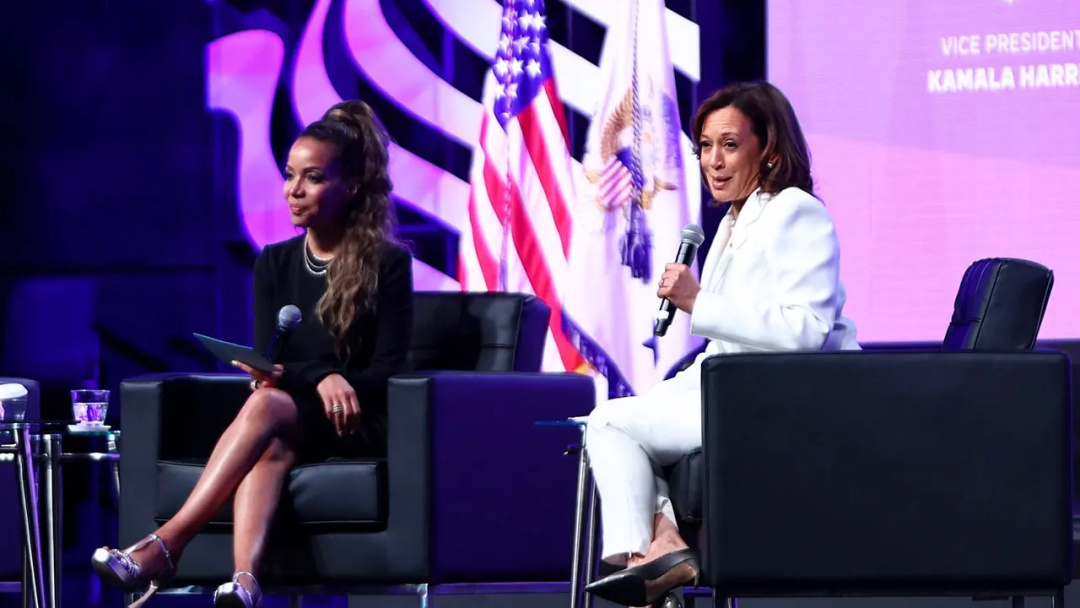
In a groundbreaking episode of 'The View,' co-host Joy Behar took the political world by storm with her audacious assertion that Democrats should embrace a return to the White male candidates of yore. Behar, with the wisdom only a seasoned television personality can provide, dismissed the notion of Kamala Harris as a viable 2028 presidential candidate. "Sure, she was great, but she didn’t win once! What makes you think she’s going to win again?" Behar asked, as if the past few elections hadn’t taught voters anything about change or representation.
Instead, Behar proposed a roster of candidates that included the likes of Jon Ossoff, Josh Shapiro, Gavin Newsom, and JB Pritzker, all distinguished gentlemen who, in her view, embody the essence of electability. As she laid out her picks, one couldn't help but wonder whether Behar had somehow stumbled into a 1950s diner, still pining for the days when the Oval Office was a strictly male domain.
Still Beats Watergate:
Sponsor success. Continue reading:
The conversation escalated into a robust debate about identity politics, with co-hosts pushing back against Behar's insistence that the party needed to play it safe with White males. "I am not going to break the party down based on 'they won't vote for a gay White man/woman,'" countered co-host Sara Haines, bravely stepping onto the slippery slope of modern electoral dynamics. In response, Behar doubled down, insisting her views were grounded in the 'reality' of American voting habits, a reality that apparently excludes diversity and progress.
As the discussion unfolded, co-host Sunny Hostin chimed in, echoing the sentiment that voters were ready for change, not a regression to the past. "After President Obama, we got Trump. We got a whitelash against a Black president!" she exclaimed, perhaps foreseeing a future where the Democratic Party might actually stand for something other than a safe bet.
But Behar, undeterred, insisted on a pragmatic approach to electability, as if the Democratic Party could thrive on nostalgia alone. She warned her co-hosts that they were not in touch with the political realities of the nation. Perhaps she believes that the only way to win is to roll back the clock and let history repeat itself, ignoring the cries for a more inclusive future.
As the episode drew to a close, one could almost hear the sound of countless progressive hearts breaking. Was this really the future of the Democratic Party? A parade of familiar faces, each more bland than the last? Or could it be that the party, like a phoenix rising from the ashes, might embrace a more diverse slate of candidates capable of reflecting the values of its constituents? Only time will tell, but for now, Behar's vision seems to suggest that the party should stick to the script, no matter how outdated it may be.