National Park Service Embraces Minimalism by Cutting 500 Trees for Trump’s Golfing Vision
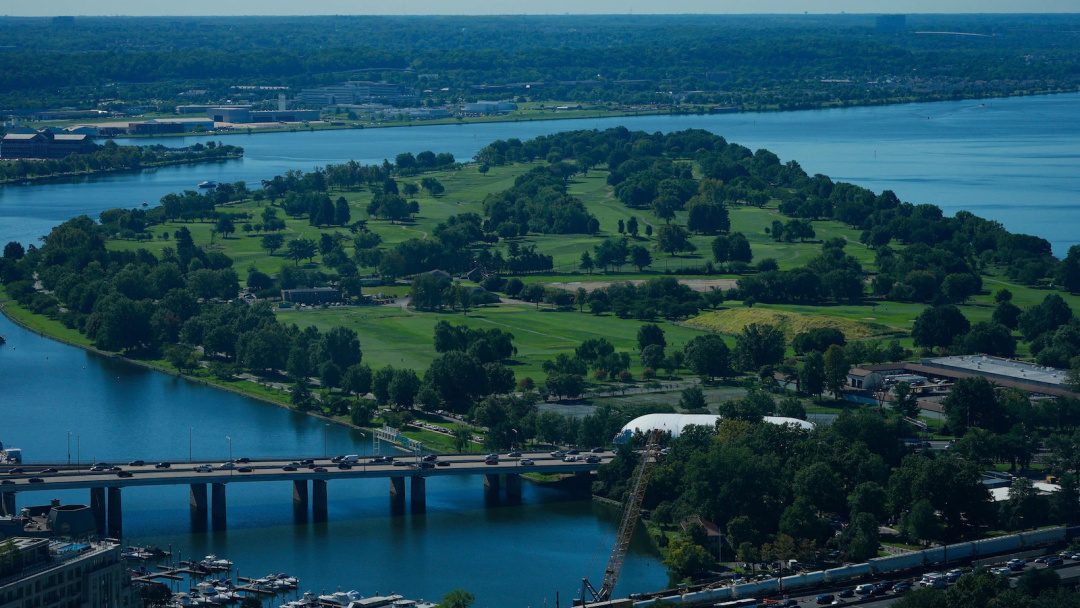
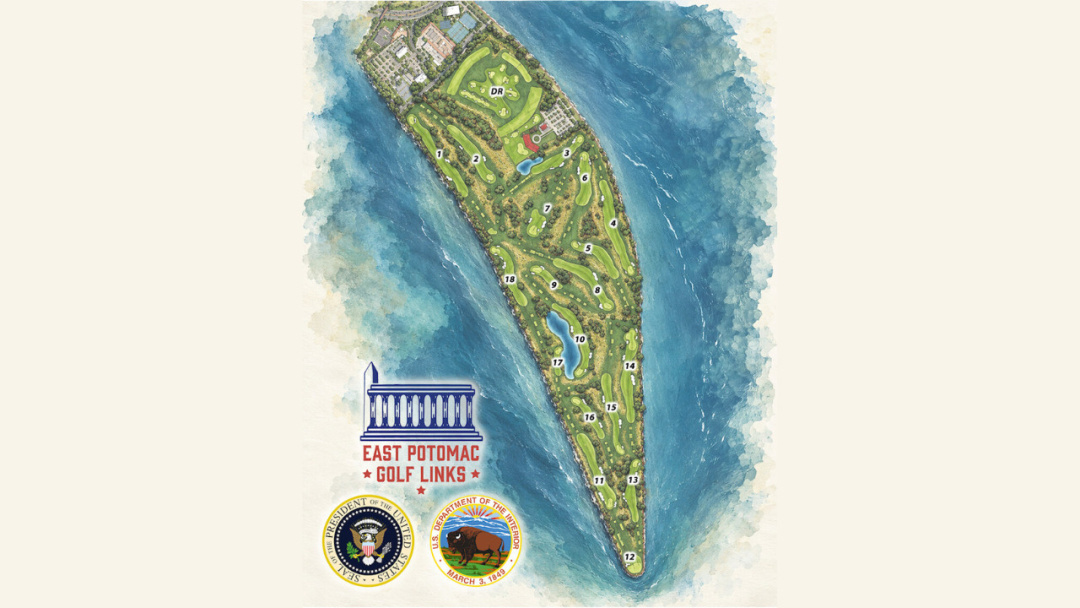
The National Park Service has embarked on a heroic, if not entirely logical, mission to transform the historic East Potomac Golf Links into what can only be described as an elite golfing utopia—minus the pesky trees that have been there for over a century. More than 500 trees, deemed ‘unfit for the vision,’ are set to be removed, revealing the true contours of a course that surely will have the aesthetic of a military parade ground.
As part of this noble effort, the park service assures us that no healthy trees, particularly the beloved historic cherry trees, will face the axe. Instead, they’ll just take out everything else that might obstruct the pristine views of political landmarks like the Washington Monument—because when you’re trying to play golf, who wants a tree in the way of a perfect swing?
Still Beats Watergate:
Sponsor success. Continue reading:
This monumental project, however, is not without its critics. Some residents are concerned that transforming this democratic green space into a high-end golf venue will not only alter its character but also shove aside the common folk—because nothing says democracy like a golf course that caters only to those who can afford a membership fee that costs more than their rent.
The National Park Service, in a statement dripping with bureaucratic fervor, claimed, "This carefully planned work is part of our required stewardship of the park," which, when translated, probably means they’re really just trying to adhere to a seven-year-old plan that’s been gathering dust like an overdue library book. This plan seems to have undergone an impressive metamorphosis—from a simple maintenance strategy into a grand scheme for a championship-level course, where the only thing thicker than the grass will be the political connections.
Of course, the golf course will remain open to the public during renovations, though individual holes may be temporarily closed. It’s the kind of accessibility that makes you wonder if the public will get to roll the dice on which hole is up for play today. It’s like a game show where contestants don’t get to play, but they can watch the drama unfold from the sidelines, perhaps with popcorn in hand.
As the park service prepares to chop down these trees, it raises an interesting question: can we really call it a renovation if the trees aren’t even invited to the party? Perhaps in this new vision for East Potomac, the only thing that should be celebrated is the absence of greenery, which surely will enhance the viewing experience of the great monuments of Washington—and by extension, the monumental folly of a golf course reshaping the landscape of our capital.
A New Era of Golfing in the Capital
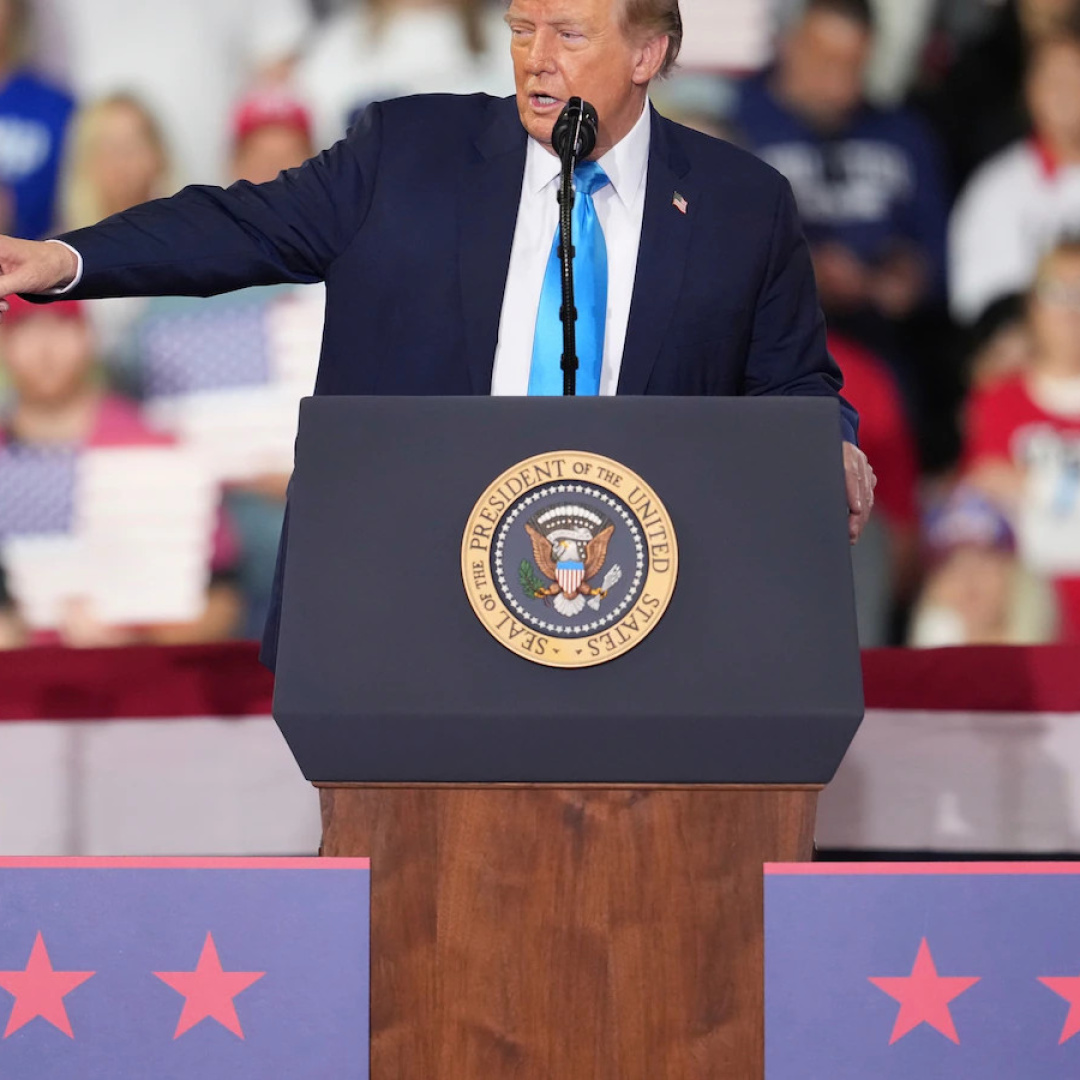
As Trump dreams of major tournaments gracing the links in the near future, one must ponder the timeline. Locations for such prestigious events are chosen years in advance, and with the current state of renovations, one has to wonder if the next U.S. Open will be played somewhere closer to 2050 than 2025.
Is this a victory for architectural innovation or simply a spectacle of public resources put to questionable use? Citizens remain divided. While some embrace the transformation, feeling a rush from the idea of a high-class golf course, others lament the loss of public land to corporate interests disguised as leisure.
Your Takeaway
In the end, the National Park Service’s plans seem more about cutting down obstacles than cutting costs. As they embark on this new chapter of public land use, let’s raise a glass—preferably on the now-blocked views of the trees we once loved, because nothing says progress quite like watching history get bulldozed for a better tee time.