Supreme Court Considers Climate Case: Will Oil Companies Get a Legal Lifeline or a Funeral?
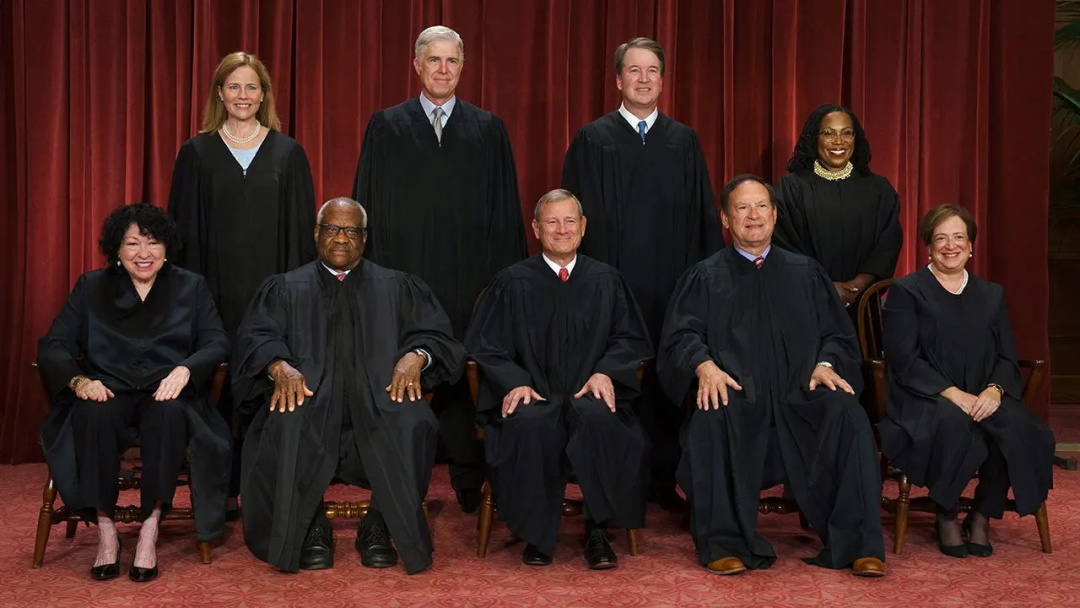
In a stunning display of judicial gymnastics, the Supreme Court is juggling climate lawsuits like a circus performer, with the Suncor v. Boulder case ready to steal the show. On one side, we have the cities seeking to hold oil companies accountable for their carbon footprints, and on the other, we have the oil companies—who, incidentally, are also responsible for their own carbon footprints—pleading for mercy while clutching their wallets.
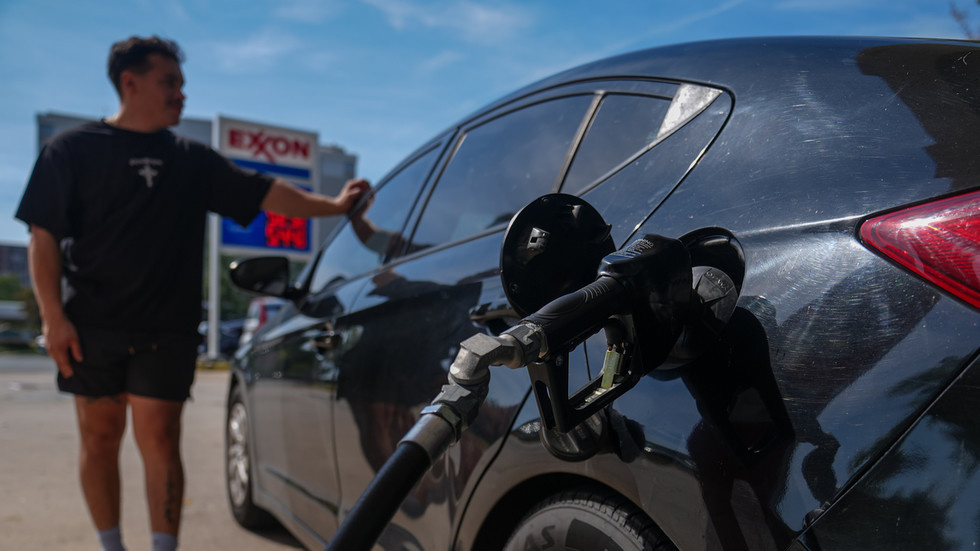
Energy experts, the modern-day prophets of doom, are warning that if the justices allow these lawsuits to proceed, we might as well start hoarding gas like it’s the apocalypse. Jason Isaac, the CEO of the American Energy Institute, claims that allowing cities and states to sue could lead to a mass exodus of oil companies, creating such a fuel shortage that your local gas station may soon look like a relic from the past. Forget about fancy apps telling you where to find the cheapest gas; soon, you’ll be paying tribute to the fuel gods just to get a gallon.
Still Beats Watergate:
Sponsor success. Continue reading:
The courtroom drama intensified when Justice Clarence Thomas asked pointed questions about the potential ripple effects of this ruling. Are we opening Pandora's box, he wondered, or just inviting a bunch of lawsuits to the party? Meanwhile, Justice Brett Kavanaugh cautioned that if this legal firestorm spreads, we might not just be bankrupting oil companies but also putting gas stations and various businesses in the hot seat. Who knew the judiciary could also be a financial advisor?
As cities like Boulder pursue damages for climate-related harms, they’re not just aiming at oil companies but also sending a warning shot across the bow of any business that might dare to emit carbon. The argument from Boulder is as clear as mud: they believe they should be able to hold these companies accountable under state law, even if the emissions in question are as global as the search for a good Wi-Fi signal.
In this unique legal ballet, the justices must determine whether emissions, like wayward smoke signals, can be traced back to their origin or if they are just part of a broader climate conspiracy orchestrated by the universe itself. It’s not just about oil anymore; it’s about who can point the finger at whom when it comes to climate change.
Potential Legal Fallout from the Ruling
As the justices ponder the implications, some warn that they might inadvertently set the stage for a courtroom free-for-all, leading to lawsuits that could engulf not only the energy sector but also every business that has ever emitted so much as a sneeze in the presence of a fossil fuel.
With experts predicting a flurry of federal and state lawsuits, the question remains: Could a ruling in favor of Boulder ignite a wildfire of litigation that would cost consumers more than just their sanity? Imagine a world where every sneeze, every fart, and every barbecue could lead to a lawsuit claiming climate damage. We’d need a legal team just to enjoy a summer cookout!
Applied to you
The potential for chaos is immense, and legal scholars are eagerly awaiting the justices' ruling, hoping it doesn’t turn into a legal Rube Goldberg machine where one lawsuit leads to another in an ever-compounding disaster. The stakes are high, and if history tells us anything, it’s that with great power comes great responsibility—or at least a really confusing set of legal precedents.
As we await the ruling, one thing is clear: the Supreme Court is preparing to either strike a blow for climate accountability or open the floodgates for every potential plaintiff to claim they’ve been wronged by fossil fuels. Either way, we’ll be left with a bitter lesson in climate policy, served with a hefty side of rising gas prices. It’s a classic case of trying to fix a hole in the boat while simultaneously drilling more holes to let the water in. Let’s hope the justices find a way to plug up those leaks before we all sink.