Lawmakers Declare War on AI Misinformation, Freedom of Speech Takes a Holiday
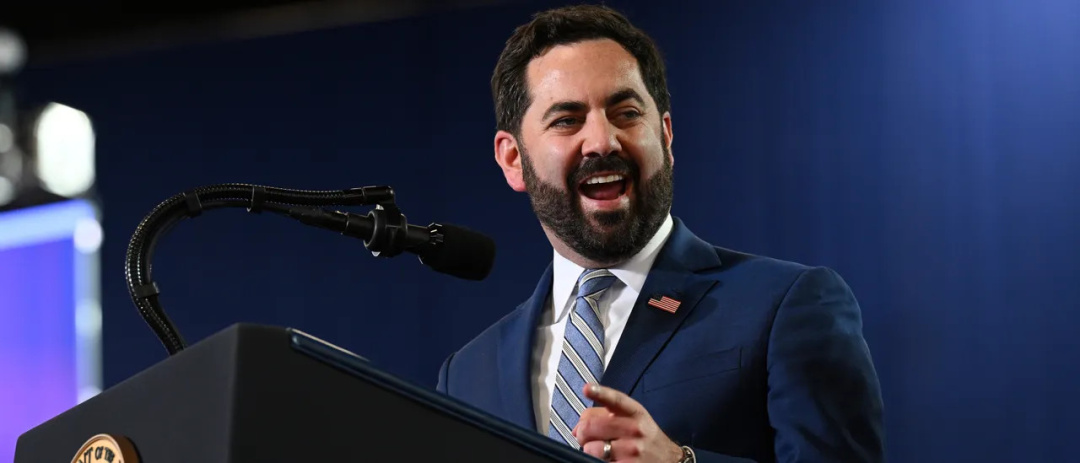
In an audacious display of bipartisan unity that would make even the most cynical political strategist nod in approval, Representatives Mike Lawler and Josh Gottheimer have joined forces to wage war against artificial intelligence—specifically, the kind that might dare to misinform voters during elections. Using the age-old excuse of protecting democracy, these lawmakers have sent a clarion call to various federal agencies, urging them to crack down on AI-generated election misinformation. Because, of course, if there's one thing that screams ‘free speech’, it’s a government crackdown on information that might upset the status quo.
Imagine this: a world where AI cannot produce memes, witty retorts, or satire about candidates because it might confuse the electorate. The horror! Lawler and Gottheimer’s plan is so groundbreaking that it raises the important question: why stop at AI? Shouldn’t we also legislate against opinions that differ from their own? Surely, any dissenting voice can be labeled misinformation if we just set the bar low enough.
Still Beats Watergate:
Sponsor success. Continue reading:
In their latest memo, which could easily double as a script for a dystopian sci-fi film, the lawmakers emphasized the need for “urgent action” against those pesky AI bots that may or may not be creating misleading content. Apparently, they believe that if AI continues to exist, it could undermine the sanctity of democracy itself, as if democracy wasn’t already on life support from a lack of critical thinking.
The irony, of course, is that this initiative could very well lead to a slippery slope where the government decides what constitutes acceptable speech. If we’re not careful, we might soon find ourselves in a world where the only permissible election commentary is that which aligns perfectly with the bipartisan consensus—whatever that might be at the time.
While Lawler and Gottheimer may think they’re the protectors of truth, they’re merely setting the stage for a government that decides what we can and cannot say. In their quest to safeguard democracy, they might just be tossing the First Amendment into the nearest dumpster fire. After all, who needs free speech when you can have a pristine electoral process devoid of any real engagement or dissent?
As we watch this political drama unfold, one must wonder: will these lawmakers next propose a bill to eradicate dissenting thought altogether, or is that too ambitious? Perhaps legislation to ensure that all AI-generated content is stamped with a government-approved seal of authenticity would be a logical next step. The opportunities for absurdity are endless!
So, as we prepare for a future where AI is kept in check by a cadre of well-meaning but misguided politicians, let’s raise our voices—at least until someone decides to monitor them for compliance with the latest anti-AI misinformation standards. After all, in a world where even the bots could be deemed untrustworthy, who can we trust?
In the end, we might just find ourselves longing for the days when the most threatening misinformation was a poorly written pamphlet on the corner. At least then, the AI was too busy generating cat videos to bother with our elections.