Trump’s Russian Diesel Deal: A Masterclass in Sanction Evasion
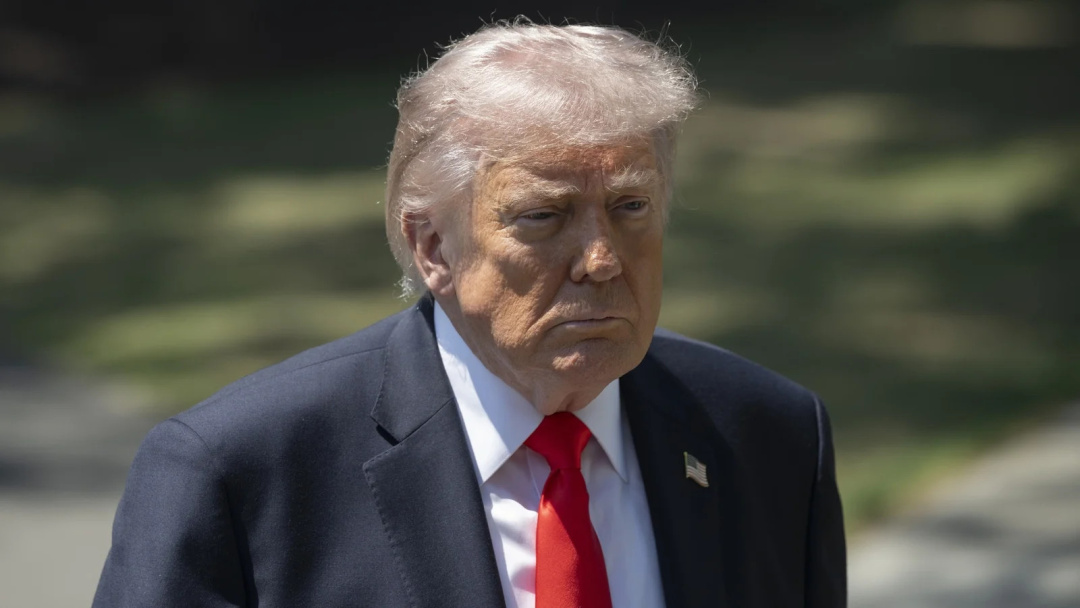
In a stunning send-off to sanctions, President Trump has announced that Russia will generously supply diesel to the United States, as if the fuel is a peace offering rather than a calculated maneuver by the Kremlin. As diesel prices climb, Trump has chosen to fight fire with diesel—lifting sanctions in a bid to ease the burden on American farmers, truckers, and anyone else who has a fondness for functioning machinery.
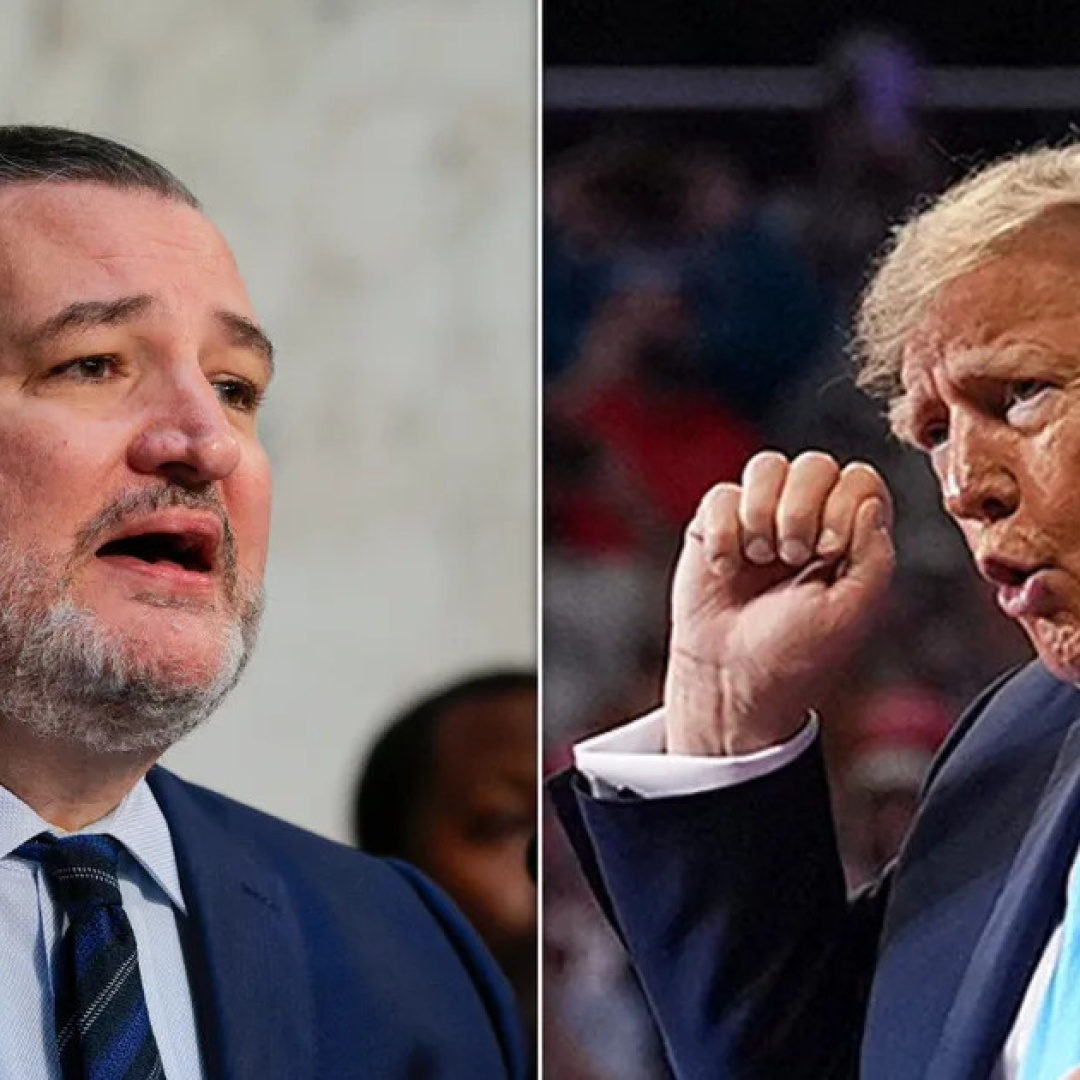
Trump's recent tweet, boasting of a "highly successful" call with Russian President Vladimir Putin, frames this opportunistic deal as a victory for American consumers. According to the administration, the decision to allow Russia to flood the U.S. market with diesel is the kind of sacrifice that demonstrates true leadership—sacrificing principles to avoid sacrificing diesel prices. Because nothing says "strong leadership" like cozying up to a dictator to ensure your constituents can afford to keep their trucks running.
Still Beats Watergate:
Sponsor success. Continue reading:
While diesel prices may have dipped slightly following the announcement, experts caution this deal is likely a temporary Band-Aid for a more significant gash in the fuel supply chain. Analysts have noted that even with more than 300,000 metric tonnes of diesel on the way, it won’t change the broader market dynamics. It’s almost as if Trump thinks he can sprinkle a little Russian diesel on the economic crisis and call it a day.
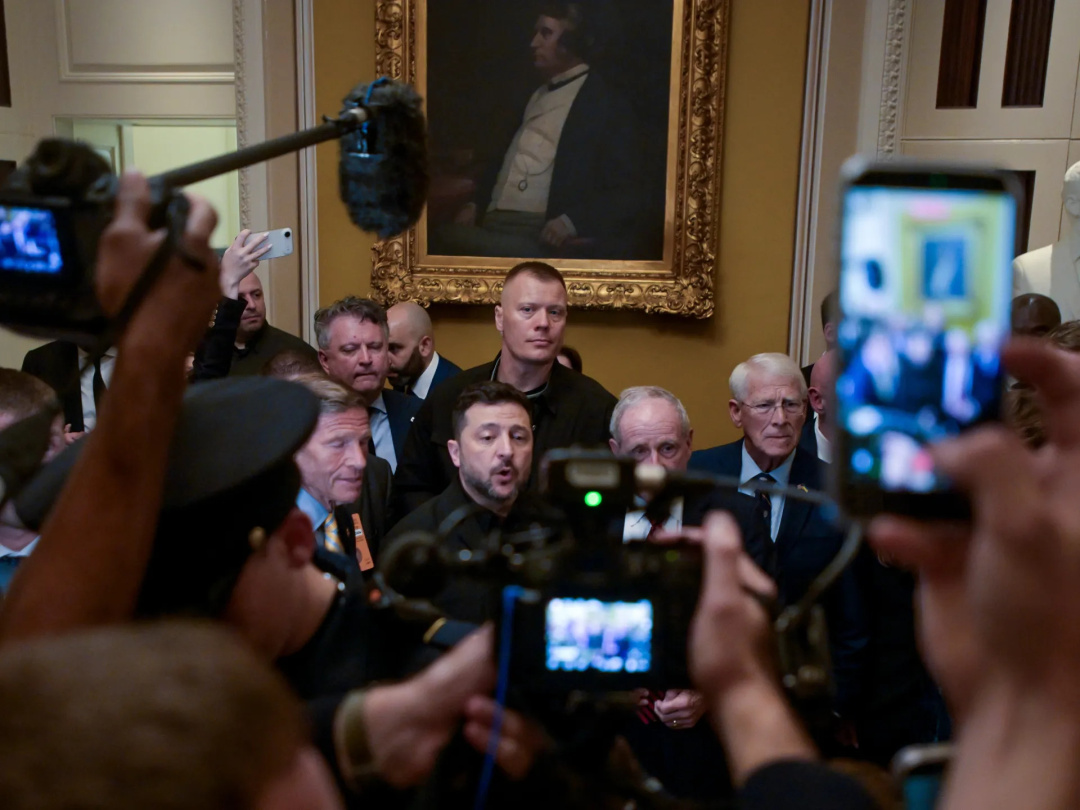
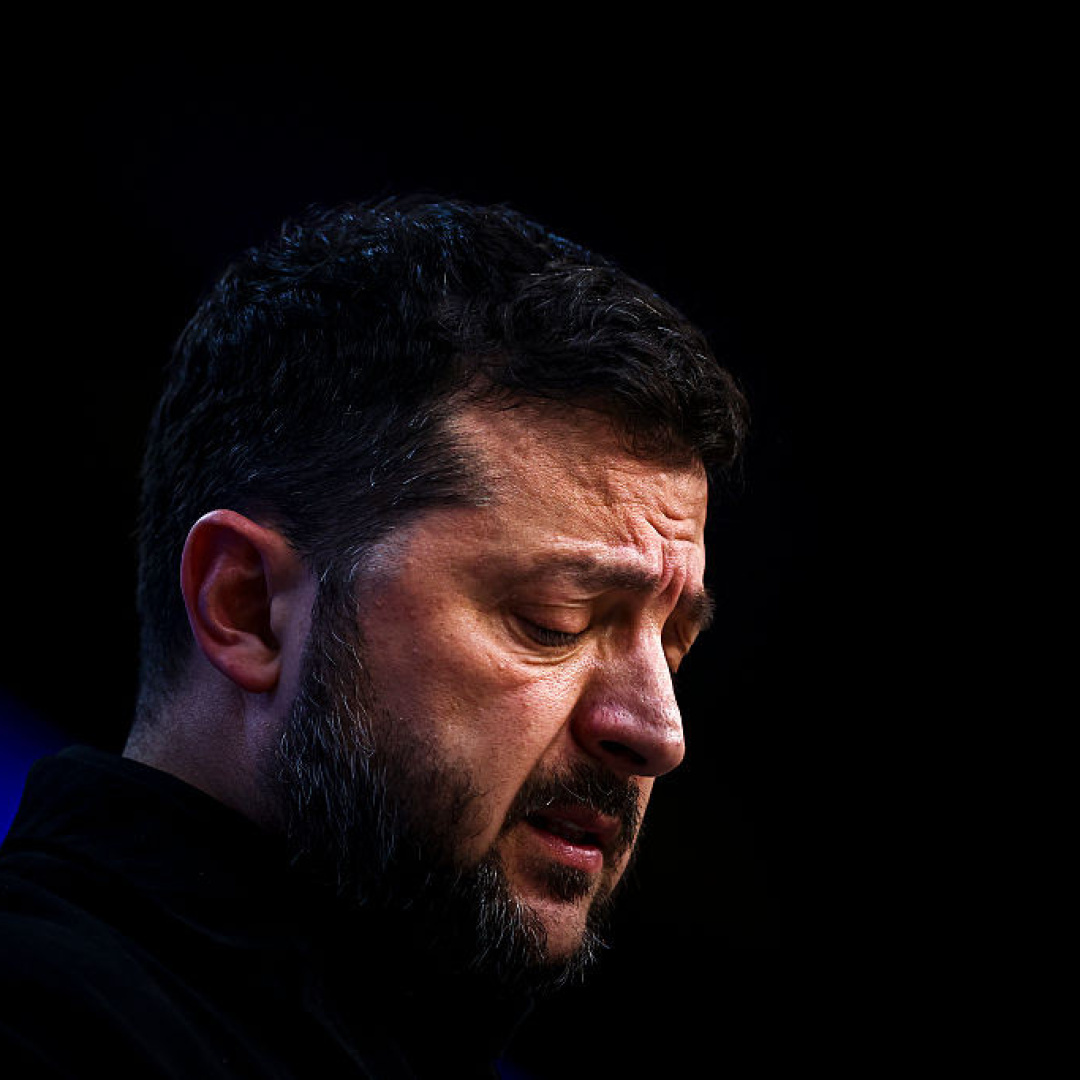
Ukrainian President Volodymyr Zelensky is not amused. Slamming the agreement as a "weak decision" by America, he’ve expressed that gifting diesel to Putin won’t lead to peace but rather encourage further aggression. Ironically, this is the same logic that led to the sanctions in the first place—squeezing the Kremlin's war-machine budget was supposed to starve it of resources, not make it a priority supplier.
Republican Dissent on Fuel Strategy
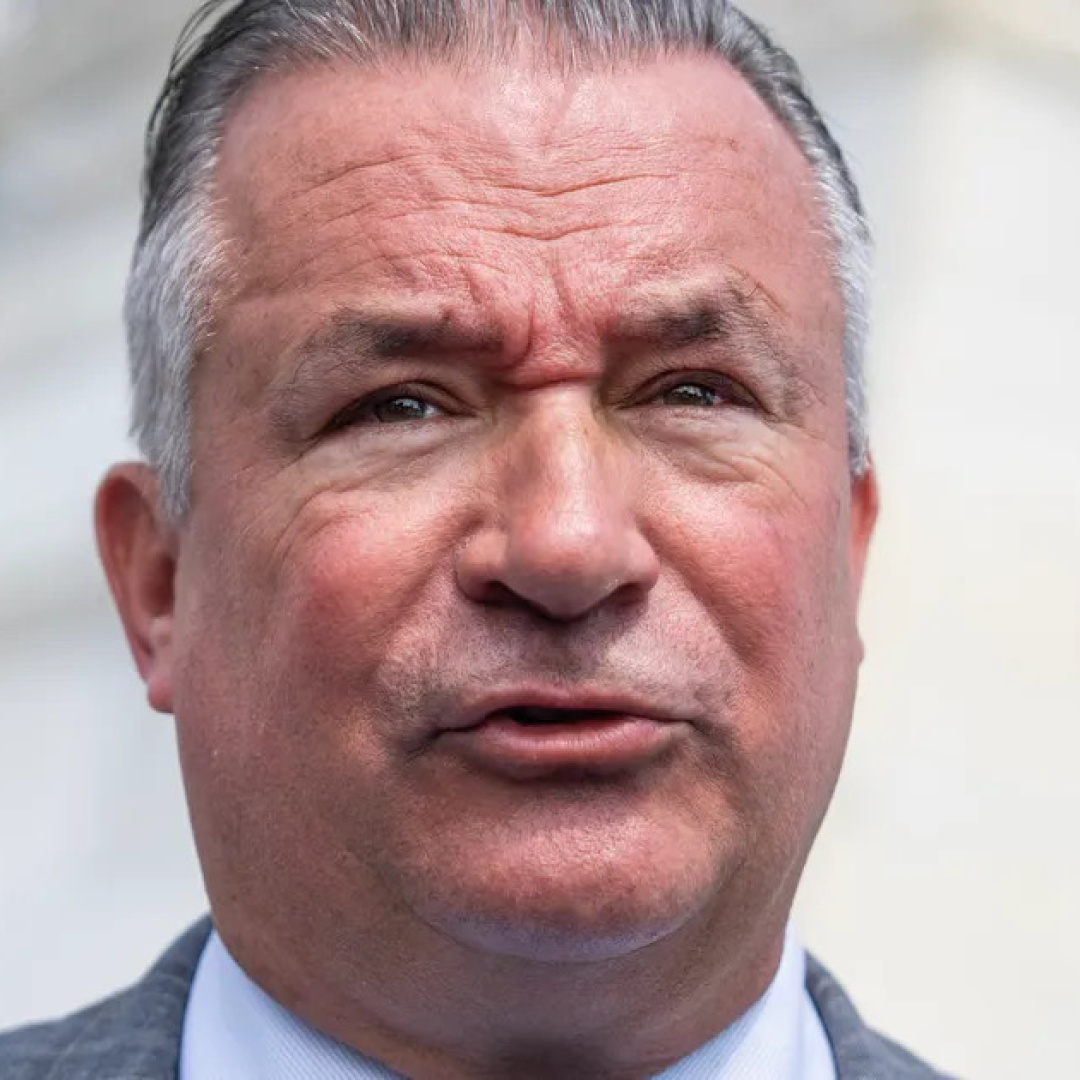
Meanwhile, Trump's fellow Republicans, like Representative Don Bacon, are also confused. They argue that instead of rewarding Putin with lucrative contracts while he bombs Ukraine, it might be time to double down on sanctions. But, of course, such nuance is lost in the rush to appease constituents worried about high fuel prices. After all, who needs to maintain moral high ground when cheap diesel is on the line?
As the administration explores how to bypass state regulations and use Cold War-era tactics to increase fuel production, all eyes will be on how many more barrels of Russian oil it will take to satisfy American appetites for cheap gas. In a world where war fuels profits, it seems the diesel drama has only just begun.
Your takeaway
With the Trump administration promising more diesel imports in the coming months, it raises the question: when does a deal become a betrayal? In this case, Trump has decided that the desire for lower fuel prices outweighs the need for geopolitical integrity. After all, one man’s "highly successful" deal is another man’s pipeline to peril. If this is the new standard for American policy, perhaps we should all start learning Russian as a second language, just to keep up with the conversation.
In the end, this diesel deal serves as a stark reminder that in politics, the narrative often takes precedence over substance. As the administration navigates this tricky waters of international relations, we can only hope that the fuel flowing into American tanks doesn’t lead to more fires overseas. Because let’s be honest: when you mix oil and politics, you’re bound to get burned—just not in the ways anyone would prefer.