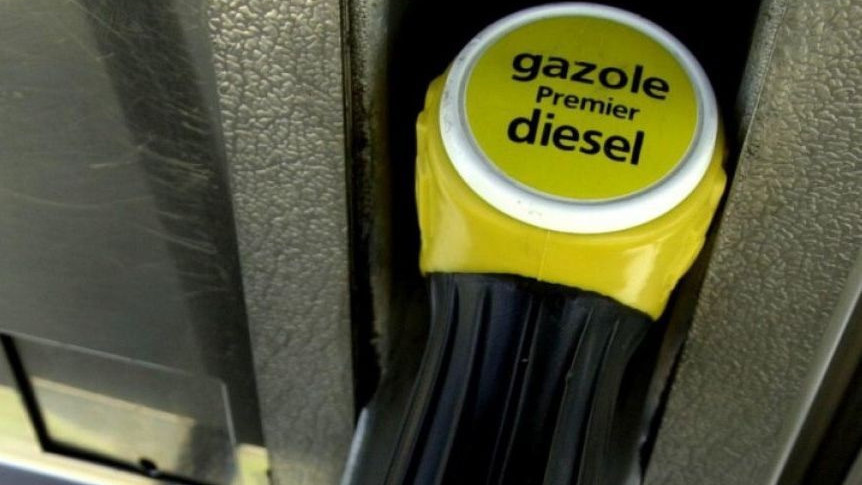
White House Strikes Diesel Deal with Russia to Curb Prices—But Not Really
In a baffling display of geopolitical chess, President Trump proudly announced a groundbreaking agreement with Russian President Vladimir Putin to kickstart diesel shipments to the U.S. This arrangement is projected to deliver over 300,000 tons of diesel immediately, adding up to a whopping 4 million tons over the following months. Experts, however, are already shaking their heads in disbelief, likening the deal’s expected impact on prices to tossing a life raft into the ocean while standing on a sinking ship.
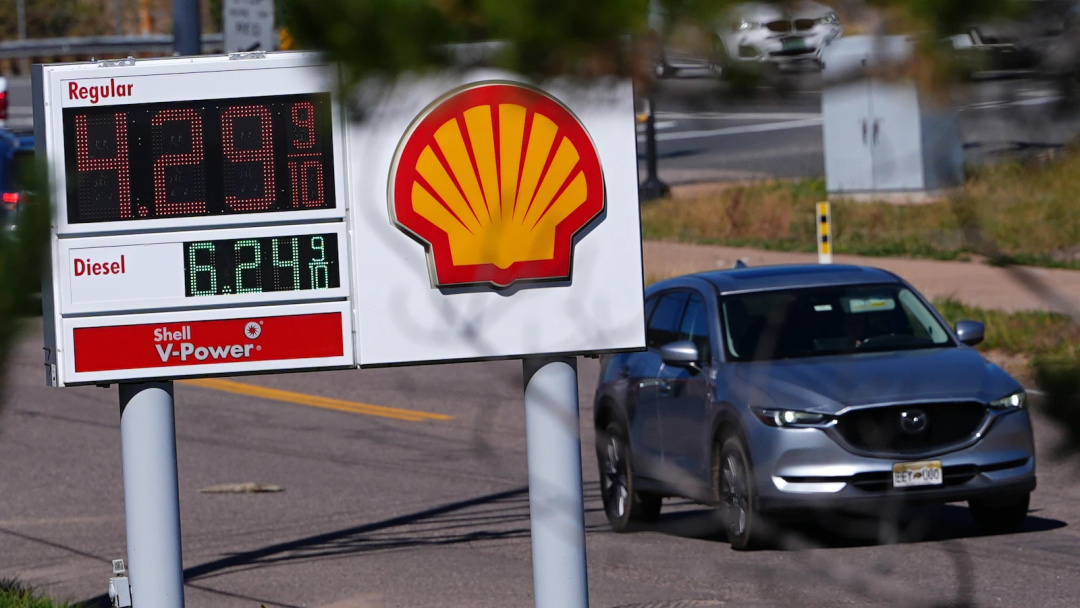
The backdrop to this thrilling tale is the U.S. economy, currently clutching its sides as it reels from soaring diesel prices that have shattered records. The average price per gallon recently hit $6.53, leaving consumers feeling the pinch at the grocery store and deciding between organic avocados and a loaf of bread. Yet, in a valiant effort to ease this financial strain, the White House is betting on a flow of diesel from Russia to save the day. How noble!
Still Beats Watergate:
Sponsor success. Continue reading:
Yet, energy policy experts are raising a skeptical eyebrow, suggesting this influx of diesel will likely be about as helpful as a chocolate teapot. "It’s a classic case of shuffling deck chairs on the Titanic," quipped Michael Lynch from the Energy Policy Research Foundation. The experts' predictions suggest that any diesel arriving from Russia means existing customers will simply scramble to find their fix elsewhere. So, instead of lowering prices, it’s more of a musical chairs scenario but with much higher stakes.
As the administration spins this deal as a boon for American truckers, ranchers, and farmers grappling with expensive diesel, the reality is far less rosy. Some industry voices claim that this may lead to a tiny dip in prices, like finding a penny on the ground in a parking lot. "We’re talking about a minuscule drop in specific areas—if you happen to live in the New York-New Jersey area, that is," said Lynch, tempering the optimism with a dose of reality.
The Geopolitical Context of Diesel Prices
This deal arrives with the backdrop of a nation already wrestling with the consequences of the U.S.-Iran war, which has put a chokehold on global oil prices. If the diesel from Russia manages to squeeze through the geopolitical cracks created by ongoing conflicts, it might stabilize prices slightly. However, don't hold your breath. The current situation is like trying to fill a bathtub with the drain wide open.
Your takeaway
As analysts dig deeper, they remind us that even if Russia ramps up exports, the global market is still in a precarious state. With available refining capacity in the Middle East hampered by chaos in the Strait of Hormuz, the likelihood of significant price relief remains a distant dream. So, while the White House touts its diesel deal like it’s a ticket to the Super Bowl, consumers might be left wondering why they still can’t afford to fill up their tanks.
In the end, this diesel deal serves as a reminder that in politics, as in life, sometimes the best-laid plans are just illusions. The White House may boast of a new energy strategy, but consumers will be the ones left holding the empty tank.