Trump Imposes Sanctions on ICC, Citing Nobel Win as Too Close for Comfort
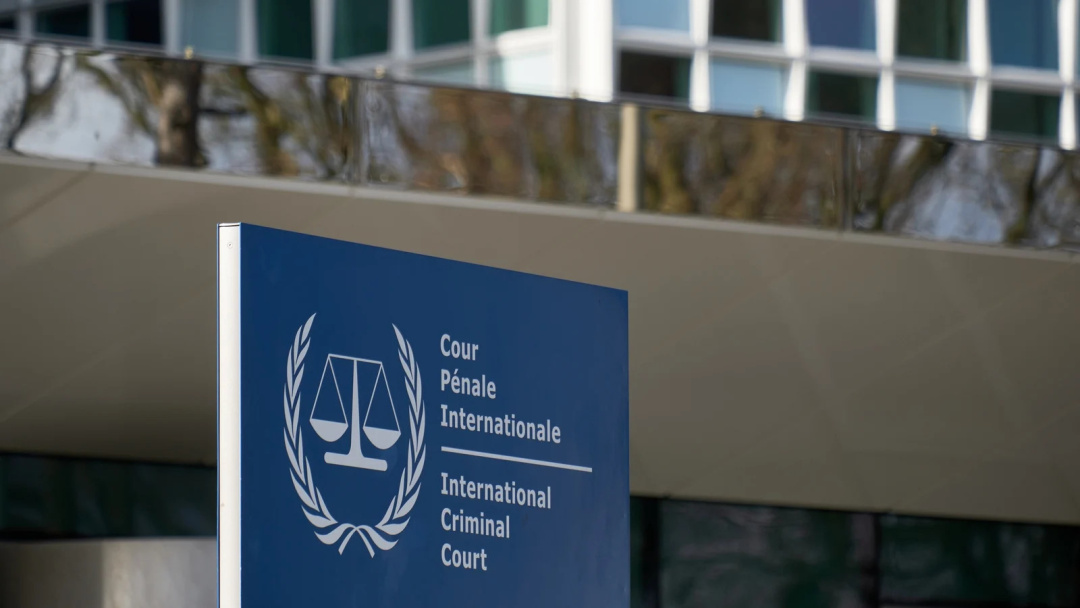
In a shocking twist on diplomatic etiquette, the Trump administration has decided to impose sanctions on the International Criminal Court (ICC) just hours after one of its former judges was awarded the Nobel Peace Prize. While many may celebrate legal achievements and the upholding of justice, the White House seems to take such accolades as serious threats to national security.
Secretary of State Marco Rubio, in what can only be described as a stunning act of proactive diplomacy, declared that the United States will not stand idly by while the ICC celebrates its own relevance. "The ICC has never been shy about its ambitions to hold Americans accountable," Rubio stated, as if the court's mere existence was a direct affront to American exceptionalism.
Still Beats Watergate:
Sponsor success. Continue reading:
In a world where transparency and accountability are often touted, this bold move sends a clear message: winning prestigious awards is just as likely to earn you a penalty as it is a pat on the back. The ICC, which has been accused of prosecuting war crimes and crimes against humanity, now faces an unprecedented sanction regime that could leave it scrambling for resources—much like a toddler trying to gather scattered Legos before a vacuum cleaner swoops in.
The court wasted no time in publicly denouncing the sanctions, calling them an "assault on the rule of law"—which is a bit rich coming from an institution that has to explain its very existence to an administration more invested in reality TV than international justice. It appears the ICC's fate rests not only on its own proceedings but also on the goodwill of the nations that bothered to sign the Rome Statute, all while securing a safe space in the U.S. policy framework.
The sanctions, which are reminiscent of a game of international dodgeball, are designed to punish not just the court but any entity daring to associate with it. Rubio indicated that these measures would "cut off their resources and cripple their ability to operate," effectively turning the ICC into a shell of its former self—an empty courtroom waiting for justice to walk through the door.
The ICC's Struggle for Relevance
While the ICC attempts to refocus its mission on delivering justice, it must now contend with the whims of an administration that seems to treat international law like a buffet—picking and choosing what it wants while pushing the rest aside. As for the Nobel Prize awarded to former judge Navi Pillay, it would seem that the prize committee's gesture of support for the rule of law is being interpreted in Washington as a call to arms—a call that will likely be met with yet another administrative strike against accountability.
With the Trump administration’s new sanctions, the ICC finds itself at a crossroads where its very existence hangs in the balance. European nations, some of which have gone so far as to call for a EU blocking statute to protect the court, are caught in a delicate dance, attempting to keep the peace while also standing up to bullying from across the Atlantic. The ongoing saga raises important questions about what it truly means to uphold international law in an age where domestic policy decisions increasingly reflect a disdain for global governance.
Affecting you
As the ICC gears up for an upcoming showdown, one has to wonder if the administration's response to international criticism is akin to a toddler’s tantrum—full of noise but lacking in any coherent strategy. The court insists it will continue its work across various global situations, a claim that might hold more weight if it didn’t have to dodge sanctions like a game of international hopscotch.
In a final twist, President Trump, feeling overlooked amid the Nobel celebrations, declared the choice of Pillay as a "disgraceful and embarrassing decision," suggesting that perhaps the real prize should have been awarded to him. With that proclamation, it seems that the only thing more fragile than the ICC’s funding is the ego of a man who believes he should have been celebrated instead. If only Nobel prizes were awarded for mastering the art of distraction, Trump would surely be a contender.