Stephen Miller's FBI Training Session: A Masterclass in Political Interference
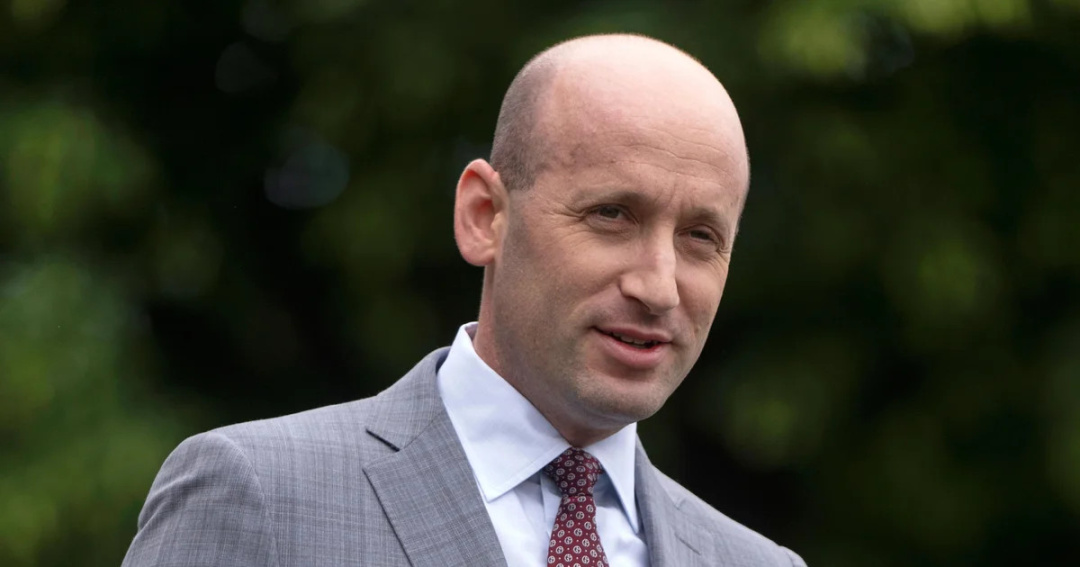
In a stunning display of bureaucratic gymnastics, Stephen Miller, the White House homeland security adviser, has wedged himself into the FBI's training regimen, addressing agents on domestic terrorism—just days before the law took a swing at a man accused of unsettling his wife. It’s almost as if he wanted to personally oversee the dramatics of law enforcement, all while maintaining a front row seat at the circus of political intimidation.
Miller's claim of personal investment in combating domestic terrorism is as thick as molasses. He cited the 2025 assassination of his friend, conservative poster boy Charlie Kirk, as a motivator. One can only wonder how many friends one needs to lose before getting a permanent VIP pass to the FBI. The agency's retort is that his involvement is perfectly standard—assuming, of course, that standard means dragging political influencers into federal investigations like a dog on a leash.
Still Beats Watergate:
Sponsor success. Continue reading:
The agents at the training conference, presumably experts in counterterrorism, were treated to a lecture peppered with Miller's insistence that no threat should be dismissed as too small. Threats to congressmen? Check. Family members? Check. Folks who dare to speak their minds at college events? Double check! Miller's proactive approach suggests he’s ready to turn the FBI into the domestic version of a Neighborhood Watch—but with more power and fewer friendly bake sales.
Meanwhile, it seems the White House is carefully choreographing its narrative, insisting that Miller's visit was absolutely necessary for national security. This statement arrives shortly after the FBI shuffled its counterterrorism team, a change made under the dim glow of complaints from the Miller family that investigations weren’t moving quickly enough. Is it a coincidence that top agents mysteriously found themselves reassigned shortly after Miller's speech? Only the politically connected could orchestrate such a performance without breaking a sweat.
Yet, as odd as it sounds, Miller's attendance may very well be the new normal. In the world of executive orders and public safety, where perception is king, political operatives like Miller are redefining the contours of law enforcement. They are not just observers; they are participants in the process, ensuring that their concerns—however personal—hold sway over the apparatus originally designed to operate free from political intrigue.
With the recent charges against John A. Proia for cyberstalking Katie Miller, the boundaries of political engagement and law enforcement have never felt blurrier. Miller's presence at the FBI simultaneously raises questions about the integrity of federal investigations and serves as a reminder of how intertwined politics and public safety have become. If this is where we find the White House in its quest for law and order, one must wonder if we are witnessing a power play or simply the latest episode in the ongoing saga of political theater.
A New Standard for Political Engagement
As Stephen Miller continues to straddle the line between advisor and participant, the implications for the FBI's operational independence grow heavier. The fact that a political figure can influence the direction of federal investigations raises an eyebrow, especially when the stakes are as personal as those involving threats against his family. This not-so-subtle fusion of personal agenda and state duty is the new flavor of governance, one where threats are dealt with swiftly—if they happen to implicate the right people.
The White House has insisted that Miller's role is simply part of the necessary interaction between homeland security and law enforcement. However, as more former officials voice their discontent over this intertwining, one must ask: When does security become an excuse for political maneuvering? As the dust settles, it might be worth considering whether we are on the verge of normalizing a system where political weight is measured not just in votes but in the very fabric of law enforcement itself.
Your takeaway
Miller's foray into the FBI's training program might just set a precedent for future political involvement in law enforcement—as if we needed another layer of complexity in an already convoluted relationship. If this is what it looks like to counter domestic terrorism today, it feels more like a reality show than a serious initiative to protect citizens from threats. Perhaps the only clear takeaway is that in Washington, the lines have become not just blurred, but stretched thin enough that they could snap at any moment. It remains to be seen whether this evolving narrative reflects a new standard in government or merely another episode in the ongoing political drama that defines our times.