White House Sanctions Iran's Shadow Fleet, Still Can't Find Their Own Shadow
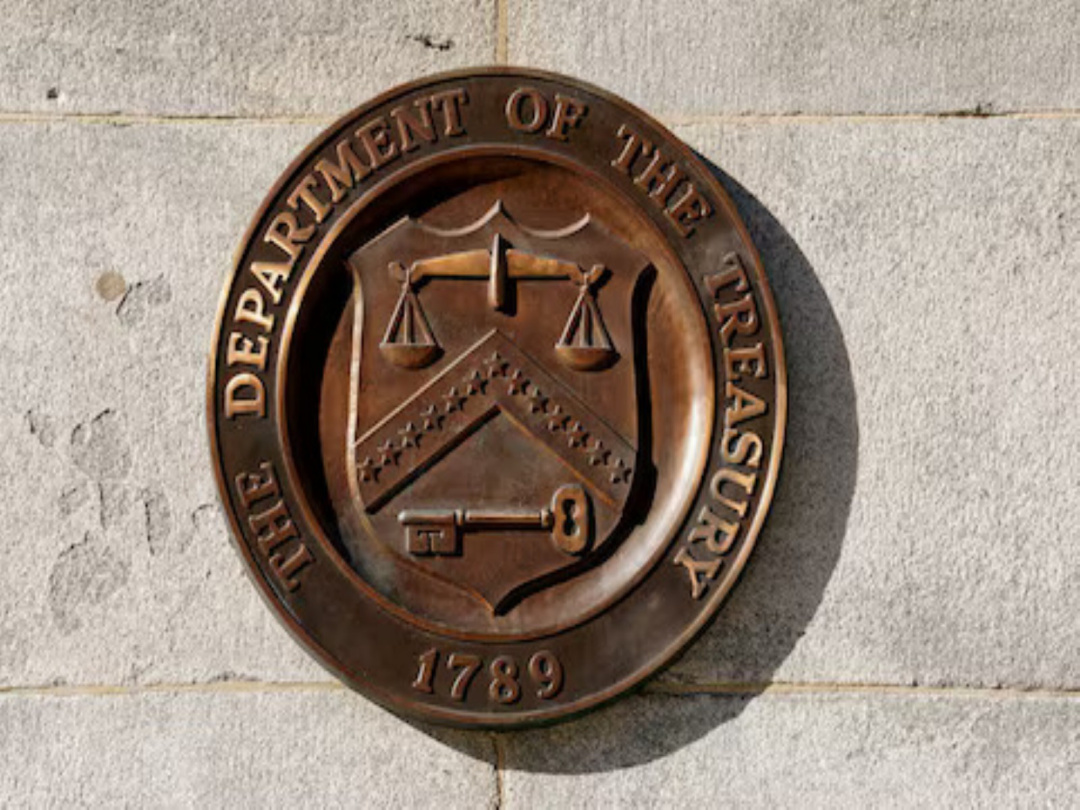
In yet another round of sanctions that could put a fiscal hole in any maritime operation, the White House has decided to target 27 companies, six individuals, and a staggering 22 vessels associated with Iran’s oil trade. As Treasury Secretary Scott Bessent puts it, they are ‘starving the tyrannical regime in Tehran,’ presumably while enjoying a lavish banquet in the West Wing. It’s like trying to cut down a tree while simultaneously digging a hole to plant a new one—an impressive feat in bureaucratic gymnastics!
The sanctions, rolled out with the flair of a magic show, are said to neutralize Iran's remaining shadow fleet. Apparently, this shadow fleet is not just lurking in the dark; it’s actively transporting billions of dollars’ worth of petroleum around the globe. Meanwhile, back in Washington, the administration appears to be losing sight of how many shadows are standing right in front of them. After all, who needs to tackle the actual issues of transparency and accountability when you can just focus on the shadows of your adversaries?
Still Beats Watergate:
Sponsor success. Continue reading:
The grand reveal of Operation Economic Outcast aims to cut off revenues fueling Iran’s alleged nefarious activities. It’s a noble cause, albeit one that sounds like it was pulled from a bad action movie script. You can almost envision the press conference, complete with dramatic music, as the administration announces these sweeping measures while simultaneously ensuring that no one asks where the money has been going on their own watch.
In a world where accountability is often as elusive as the sanctions' effectiveness, Treasury officials reassure the public that nobody involved in this shadowy affair is ‘safe from the full force of Treasury’s authorities.’ However, one has to wonder: Are they even looking in the right direction?
Just like a magician pulling rabbits out of hats, the administration seems more interested in the spectacle than in the substance. With each new sanction, they can distract from the pressing chaos at home, all while patting themselves on the back for doing something—anything—about foreign policy. After all, why focus on domestic issues when you can wield a metaphorical wand and declare victory over shadowy oil traders?
Even with these sanctions, one thing remains clear: the administration's true talent lies not in international diplomacy or effective governance, but in stagecraft. As they continue to act as if they hold the key to accountability while the audience watches the shadows dance, the real question lingers: Who's really running the show, and is anyone left in the spotlight?
The Art of Political Theater
So here we are, in the greatest show on Earth, where sanctions are the glittering props and the players are the top-tier illuminati of the political realm. As the Treasury boasts about cutting off funding to Iran’s oil sales, one must take a moment to appreciate the irony: they’re cutting off funds to a regime while simultaneously draining their own accountability. The real question remains whether they’ll ever find their own reflection amidst the shadows of their policies.
As this continuing saga unfolds, the cries for accountability grow louder, yet they echo in vain against the walls of the West Wing. In this political theater, every player has a role, and it seems the administration has perfected the art of passing the buck.
Your Takeaway
In this world of shadow fleets and elusive accountability, the takeaway is simple: while the US government may be adept at creating theatrical narratives, the genuine performance of transparency and responsibility remains decidedly absent. So, as you watch the latest act, remember that sometimes the shadows are a lot easier to identify than the actors behind them.