Brazil's Racket Society Reveals Power Dynamics in Political Monopoly
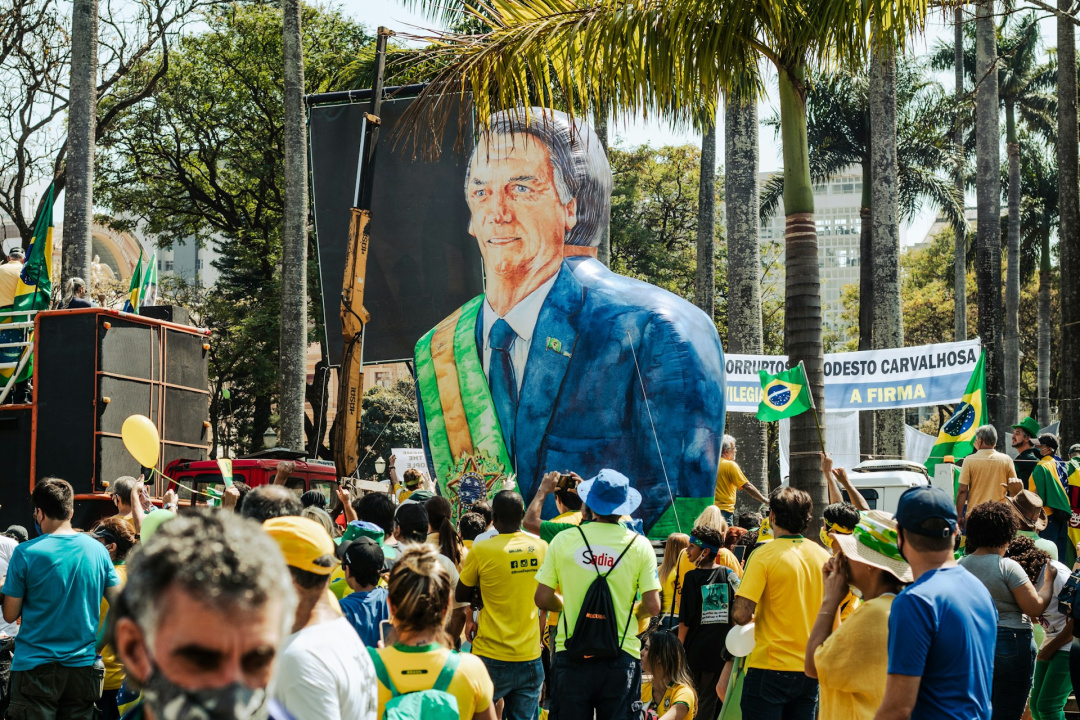
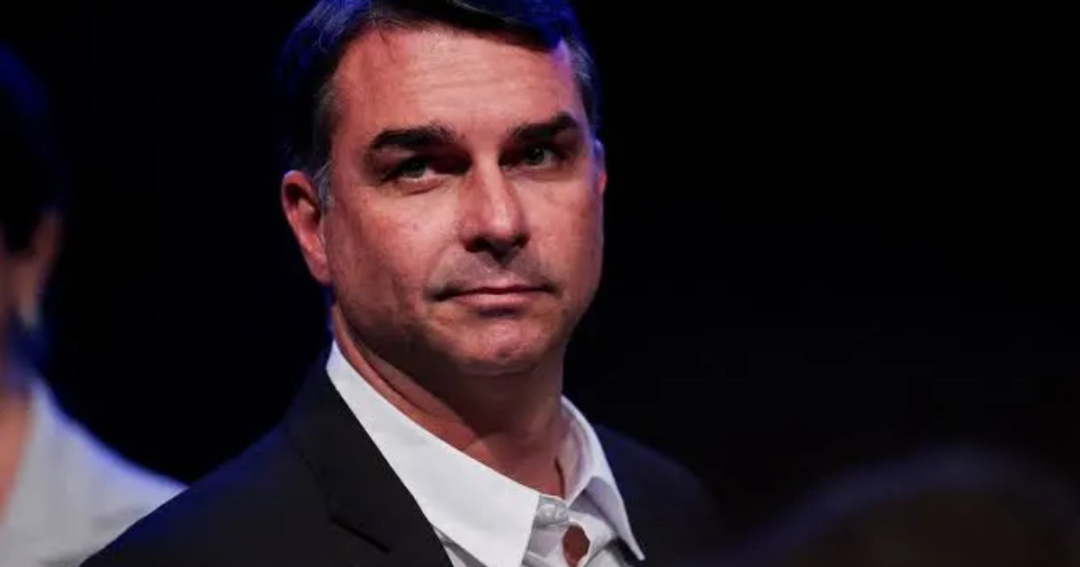
In the high-stakes world of Brazilian politics, Flávio Bolsonaro emerges not as a beacon of hope but as a perfect embodiment of the country’s most grotesque attributes: nepotism and opportunism. As Brazil approaches its presidential runoff, one can’t help but marvel at how the political machinery runs smoother when the grease is a heavy dose of family loyalty. It's almost touching to see how the legacy of a disgraced former president can still cast a long shadow over the national landscape, proving that in Brazil, the apple doesn't fall far from the tree... or the cartel.
With Flávio edging out President Lula in the first round, we witness a spectacle where the qualifications for leadership seem to be directly proportional to one's ability to dodge accountability. One might wonder, how does a man with familial ties to crime and a lackluster political history garner enough support to lead a nation? The answer lies in the fine art of political theater, where hollow promises and dark money swirl like confetti in a parade of chaos.
Still Beats Watergate:
Sponsor success. Continue reading:
In Brazil, where the line between governance and self-interest blurs like a poorly drawn map, the familial connections of the Bolsonaro clan act as a cheat sheet. The success of Flávio's campaign hinges less on charisma and more on the sheer audacity of leveraging his father’s notorious legacy. After all, what’s a little organized crime when you’ve got the family name to back you up? It's like getting a free pass with a VIP stamp of approval from the proverbial underworld.
The Coalition Behind Flávio's Rise
Moreover, the true comedy lies in how the entire political apparatus forms a coalition of interests—capitalists, religious groups, and the ever-looming influence of foreign intervention. With the support of US interests and evangelical backing, Flávio’s ascent seems less about the will of the people and more about the machinations of a preordained outcome. It’s what one might call a modern-day oligarchic symphony, where the music is sweet, but the lyrics tell a different story of corruption and collusion.
Applied to you
As analysts dissect the implications of this political arrangement, they unveil a troubling trend: the normalization of predatory capitalism. The phrase ‘racket society’ doesn’t just describe Brazil; it serves as a blueprint for the kind of governance that prioritizes profit over people, creating a chilling precedent for democracy elsewhere. Flávio’s rise, then, becomes a harbinger of a future where the metrics of success are no longer rooted in public service but in the art of the deal.
In closing, Brazil's upcoming elections reveal to us not just the fate of a nation, but the farcical elements of a system that rewards the unscrupulous. As Flávio Bolsonaro prepares for a potentially triumphant return to power, we are left pondering whether democracy can withstand the weight of its own absurdities. In this racket society, it seems the show must go on, regardless of who holds the reins.