Arizona Man Threatens White House, Discovers Emailing Isn't a Command-Control Strategy
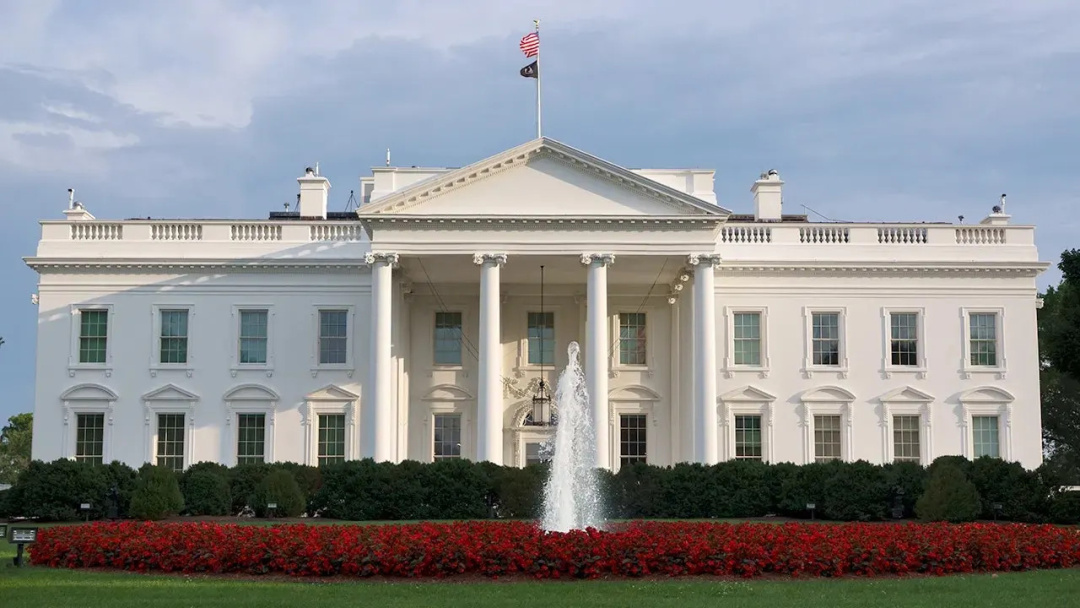
In a shocking episode that proves the pen is mightier than the bomb, Jacob Aaron Hicks, a 46-year-old resident of Tucson, has found himself under arrest for allegedly emailing a Tucson news station to announce his imminent plans for a bomb strike against the White House. One can only assume the email was composed with all the seriousness of a corporate quarterly report—complete with bullet points, a cover page, and possibly an Excel spreadsheet detailing the logistics of destruction.
After receiving this exhilarating correspondence, the local station immediately alerted law enforcement. Who knew journalism could be a potential career path for bomb prevention? The authorities responded with the kind of urgency typically reserved for a well-placed avocado toast threat at a trendy brunch spot, promptly identifying Hicks as the email’s author. Apparently, he felt it necessary to share this world-altering news with a coffee shop's worth of fellow citizens.
Still Beats Watergate:
Sponsor success. Continue reading:
U.S. Attorney Timothy Courchaine succinctly noted, "We must take threats of violence like this one seriously." Which raises the question: does that mean threats made via email are now the preferred method for registering complaints? If so, the White House may want to invest in a more robust spam filter. The unfolding drama revealed not just an arrest but an entire treasure trove of draft emails that Hicks had penned on the same day. These drafts, perhaps a script for an amateur theater production, also contained threats to other locations in Washington, D.C.
It’s a curious irony that Hicks imagined he could effectively coordinate a bombing campaign from the comfort of his couch, equipped only with an Internet connection and a library of news station emails. Federal investigators, led by the FBI and U.S. Secret Service, are now sifting through these drafts like a reality TV team hunting for the next big twist. Surely, there’s a lesson here about the dangers of sharing too much online.
The Role of Local Media in National Security
In an unexpected turn of events, the local Tucson station has earned accolades for its quick action in notifying the authorities. It appears they’ll soon be receiving a community service award for their contributions to national security. FBI Phoenix Special Agent in Charge Rebecca Day praised the partnership, highlighting that cooperation is vital for protecting the American people. Meanwhile, one wonders what would have happened if the station had opted to ignore the email—perhaps a new reality series titled "Who Wants to Blow Up the White House?" would have emerged.
Hicks now finds himself navigating the tangled web of federal court, where the stakes are as high as the bomb threats he seems to have been concocting. As he faces charges for making interstate threats, it’s clear that some lessons are best learned early. The takeaway? When in doubt, it’s probably best to keep your bomb plans to yourself—especially if you're contemplating broadcasting them to the entire Internet. This new plan to threaten via email may have bombed before it even had a chance to detonate, leaving Hicks to face the consequences while the White House continues to operate under a cloud of absurdity.
Your takeaway
As this bizarre saga unfolds, it’s a stark reminder of the complexities of communication in the digital age and the often ludicrous lengths individuals will go to. In a world where information travels at the speed of light, one must wonder if the real danger lies not in the threats themselves, but in the ways those threats are communicated. Email may not be the best medium for such serious declarations, leaving us all to ponder what message will come next—or whether it’s better left unsaid altogether.