Senate Debate: Candidates Unleash a Symphony of Insults and Confusion
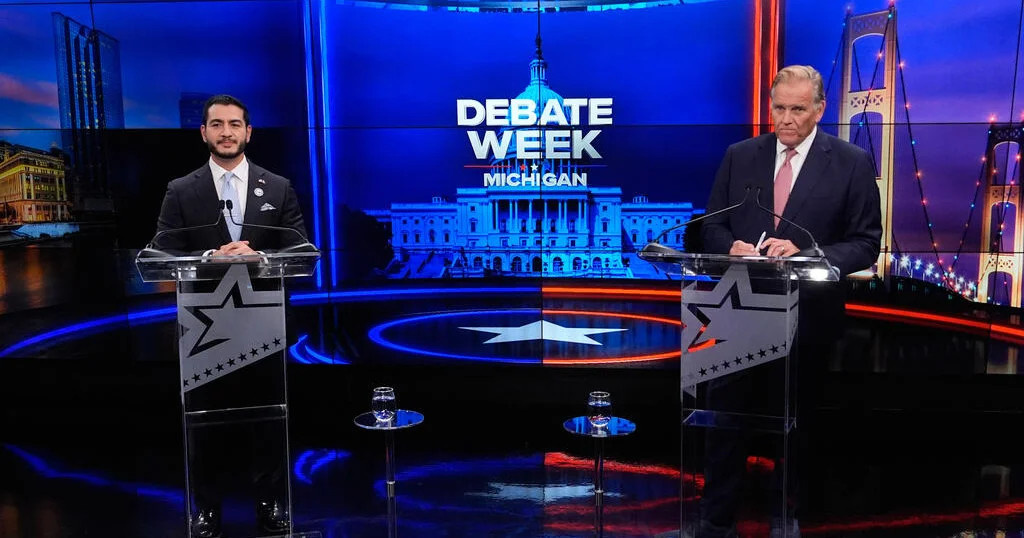
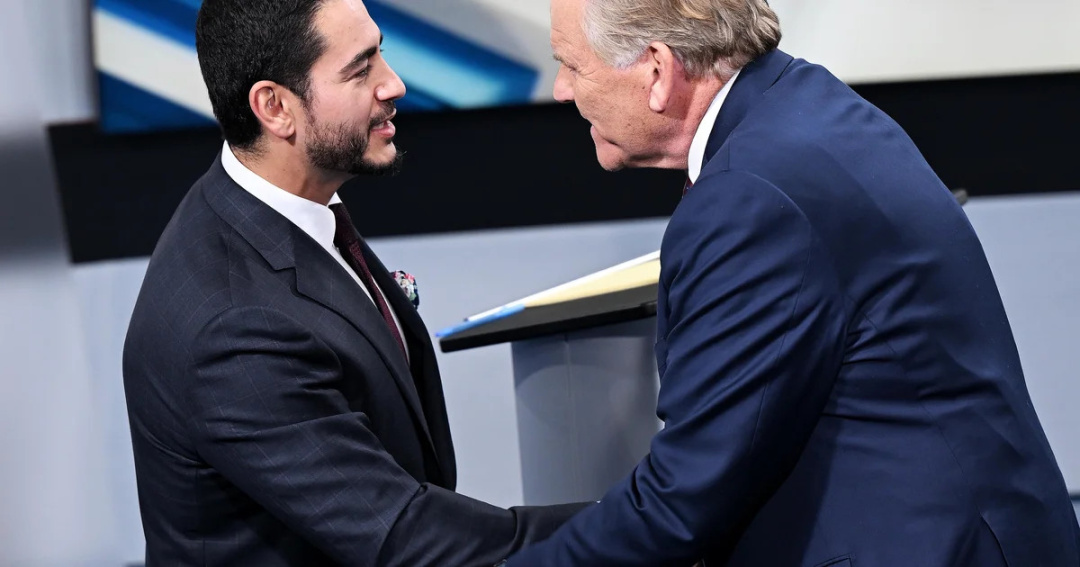
In the latest episode of Michigan's Senate debate, where civility took a backseat to theatrical insults, Democrat Abdul El-Sayed branded his opponent, Mike Rogers, a "glitchy AI chatbot"—a bold claim that surely left artificial intelligence developers everywhere cringing. Rogers, in return, effectively called El-Sayed a "cowardly sockpuppet for the Trump administration," illustrating that when it comes to political conflict, analogies are as common as hot air.
The debate unfolded like a bad soap opera, with both candidates trading barbs instead of substantive policy discussions. On issues such as the Iran conflict and the ongoing trade disputes, their exchanges were less about solutions and more about who could deliver the most cutting insult. Rogers insisted this was no time to wrap things up in Iran, drawing a parallel between his foreign policy views and a toddler refusing to leave a toy store—all tantrums, no exits.
Still Beats Watergate:
Sponsor success. Continue reading:
When moderator Rick Albin chimed in about their continued sparring during commercial breaks, it became clear that the debate had transformed into a gladiatorial arena of insults rather than a platform for discussing issues that matter to voters. One could only wonder if they prepared for the debate by watching old wrestling matches and taking notes on how to insult one’s opponent most effectively.
As the gas tax came under scrutiny—an issue both candidates agreed could use a pause—the resulting dialogue felt less like a serious discussion and more like a game of political chicken. El-Sayed’s insistence that Rogers had a direct line to Trump and was unwilling to use it was like accusing a magician of pulling rabbits out of his hat—an impressive feat, but where was the real magic when it came to the issues?
Rogers, unphased, declared that El-Sayed’s perspective on Medicare for All was "dangerous," akin to claiming a toddler's drawings could replace Picasso. As the conversation swirled around healthcare and immigration, it was hard to determine what was more dangerous: their proposed policies or the gleeful exchanges of insults that overshadowed every point they attempted to make.
A Glimpse of Seriousness Amidst Jests
El-Sayed’s comment on not needing to violate the Constitution to deport criminals was perhaps the only hint of a genuine policy statement in a debate marred by personal attacks. But who could blame him? After all, in a world where candidates toss around insults like confetti, it's hard to take a serious stance without the distraction of a comedic punchline.
As the debate came to a close, Rogers saw an opportunity to score points with a quip about Florida being in the U.S., while El-Sayed shot back, reminding everyone that it was not exactly on Michigan soil. With such sharp repartee, perhaps the real winner of the night was comedy, who eagerly awaits the next round of political theater.
The Continuing Circus of Political Campaigns
With both candidates clearly more eager to dismantle each other's credibility than to present solid policies, one has to wonder if this is the new norm in political campaigns. Will future debates be less about issues and more about who can deliver the best insults? It certainly seems that way as audiences are left questioning whether they should be laughing or crying at the state of political discourse.
Perhaps voters should take note: if the debates are any indication, the next Senate seat could very well go to the candidate with the sharpest tongue rather than the most viable policies. As we grip our popcorn, ready for the next act in this ongoing political circus, we may just find ourselves longing for a time when debates were about more than just who could hurl the wittiest barb. Or maybe that’s exactly what we’ve come to expect in politics today: a show where the only thing more inflated than promises are the egos on stage.