Senate Candidates Promote Social Security Tax Hike While Claiming to Avoid Corporate Greed
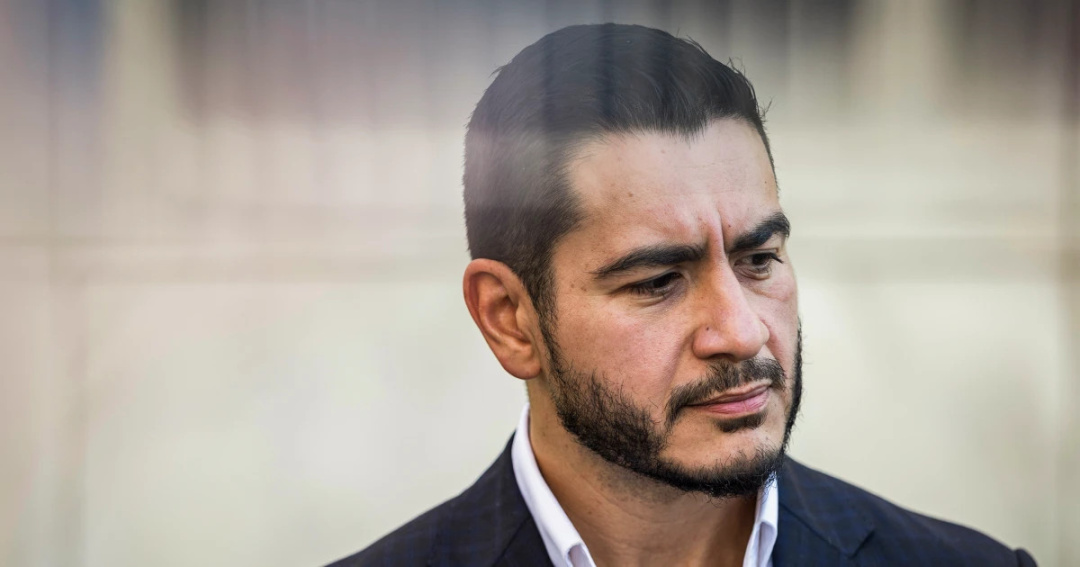
In a twist of political fate, Senate candidates are campaigning on the promising but perilous platform of raising taxes on the wealthy to rescue Social Security from impending doom. The cunning strategy involves lifting the earnings cap on Social Security taxes, currently set at $184,500. Democratic candidates like Abdul El-Sayed from Michigan are quick to proclaim their intent to make the rich pay their fair share. Meanwhile, Iowa's Democrat Josh Turek is also throwing his hat in the ring, vowing to protect Social Security with tax reforms aimed at billionaires.
But here’s the kicker: these candidates want to raise taxes on the wealthy to prevent benefit cuts, yet most of them seem to be perfectly comfortable taking substantial financial support from super PACs funded by, you guessed it, the very billionaires they plan to tax. While they chisel away at the earnings cap, the super PACs continue their relentless ad campaigns, creating a precarious dance between professed anti-corporate values and the necessity of corporate cash.
Still Beats Watergate:
Sponsor success. Continue reading:
This is the kind of irony that would make even the most seasoned political satirist chuckle. Imagine a candidate decrying corporate greed while cozying up to super PACs filled to the brim with those same corporates' funds. Rep. Ashley Hinson, a Republican from Iowa, made a brilliant point during a recent debate, calling out Turek for benefiting from what she termed "laundered corporate PAC money". If we follow the logic, it appears that accepting corporate donations isn’t so much about morality but about how the money is funneled in. Funny how those values can easily bend when the campaign financing is at stake!
As the election looms closer, the stakes have never been higher for these politicians. On one hand, they must tread carefully to avoid enraging the voters who despise corporate influence, while on the other, they must harness every dollar they can. The imminent deadline for Social Security insolvency in 2032 hangs over their heads like a dark cloud, yet their promises seem to come with a hidden asterisk: *terms and conditions apply, see your nearest super PAC for details.
Navigating Political Paradoxes in Tax Reform
Their strategy raises a profound question: is it truly possible to eliminate the cap on Social Security taxes while simultaneously benefiting from the very sources they claim to oppose? It’s as if they’re trying to have their cake and eat it too—not that anyone was expecting political integrity from a bunch of politicians!
The Campaign Conundrum
As we approach the elections, one can only sit back and relish the spectacle of candidates attempting to juggle moral posturing with their funding needs. It’s a political circus where candidates may end up chewing on their own rhetoric, wondering if they can actually escape the gravitational pull of corporate funding. After all, it’s not about who you know; it’s about who’s writing the checks.
In this bizarre political theater, candidates have to navigate the convoluted landscape of campaign finance while vowing to protect Social Security. The irony is palpable as they seek votes while courting the very interests they claim to oppose. The next Senate class may just have to learn to dance on the razor's edge of ethics amid the roar of billion-dollar super PACs. Ultimately, it raises the question: can these candidates truly lead the charge against corporate influence when they’re so reliant on it? Maybe they should start offering social security benefits for every dollar contributed to their campaigns!