Trump's New AI Terminology Declares Critics as Official Enemies of the State
In a bold leap into the realm of linguistic gymnastics, President Trump has rebranded artificial intelligence as ‘super intelligence,’ a term so much more flattering that it practically begs for an endorsement from self-proclaimed tech visionaries. Critics of this dazzling word shift? They now find themselves classified as ‘the enemy.’ This new classification raises the bar for public relations warfare, effectively merging the boundaries of corporate branding and government censorship.
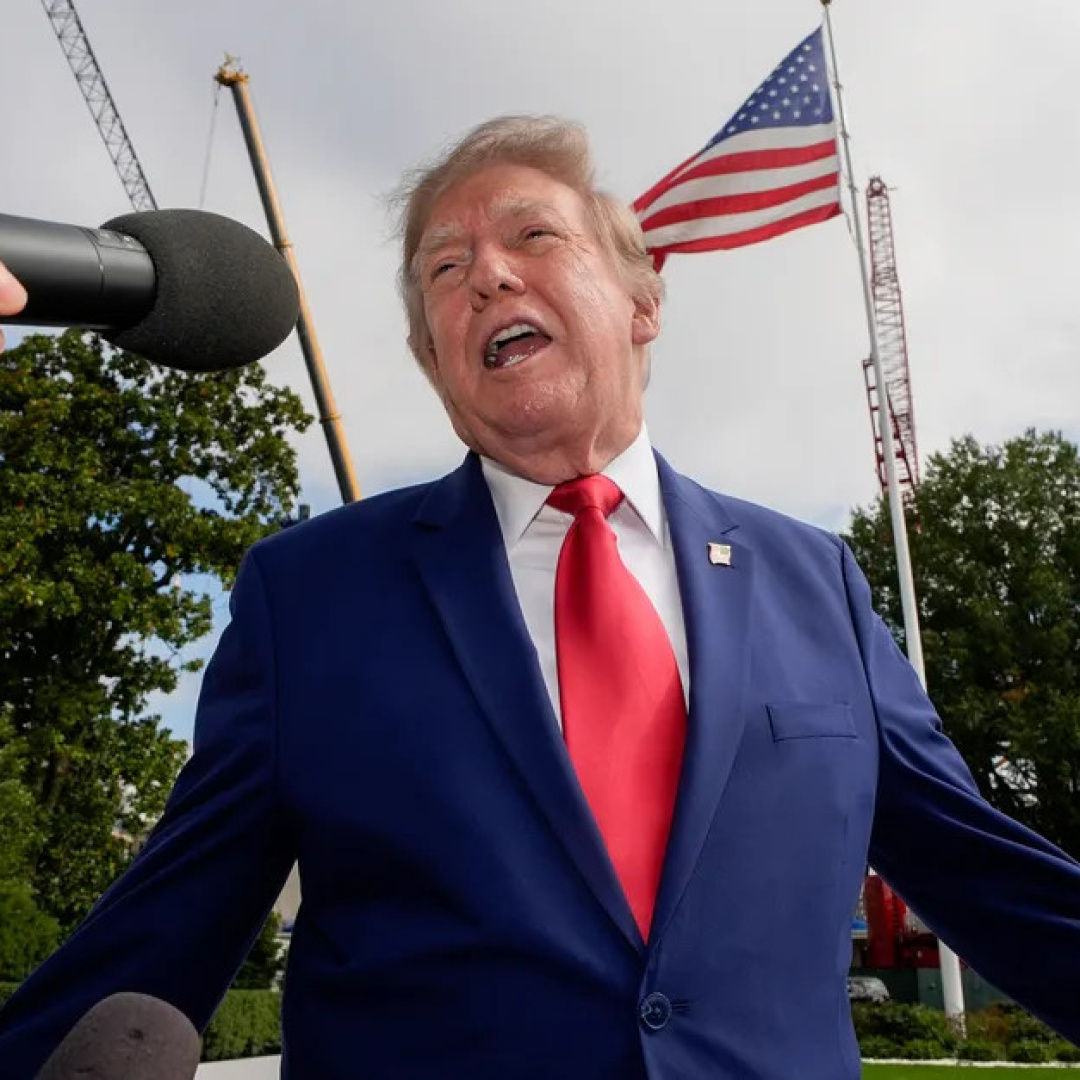
Consider this: the White House, in a move reminiscent of a toddler refusing to eat their vegetables, has declared that anyone using the term ‘artificial intelligence’ is opposing the ‘highly accepted’ new nomenclature. A social media post from Trump himself ominously warned, “The White House considers anyone that uses the term, ‘Artificial Intelligence,’ as opposed to the highly accepted new and more accurate term, ‘Super Intelligence,’ THE ENEMY!” It seems the administration is more concerned with rebranding than addressing actual criticisms.
Still Beats Watergate:
Sponsor success. Continue reading:
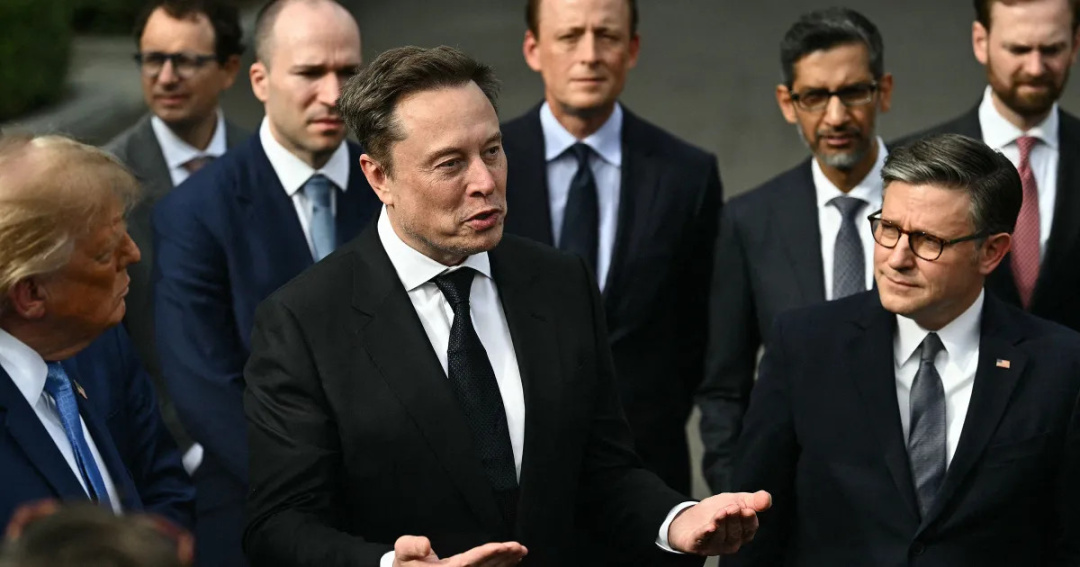
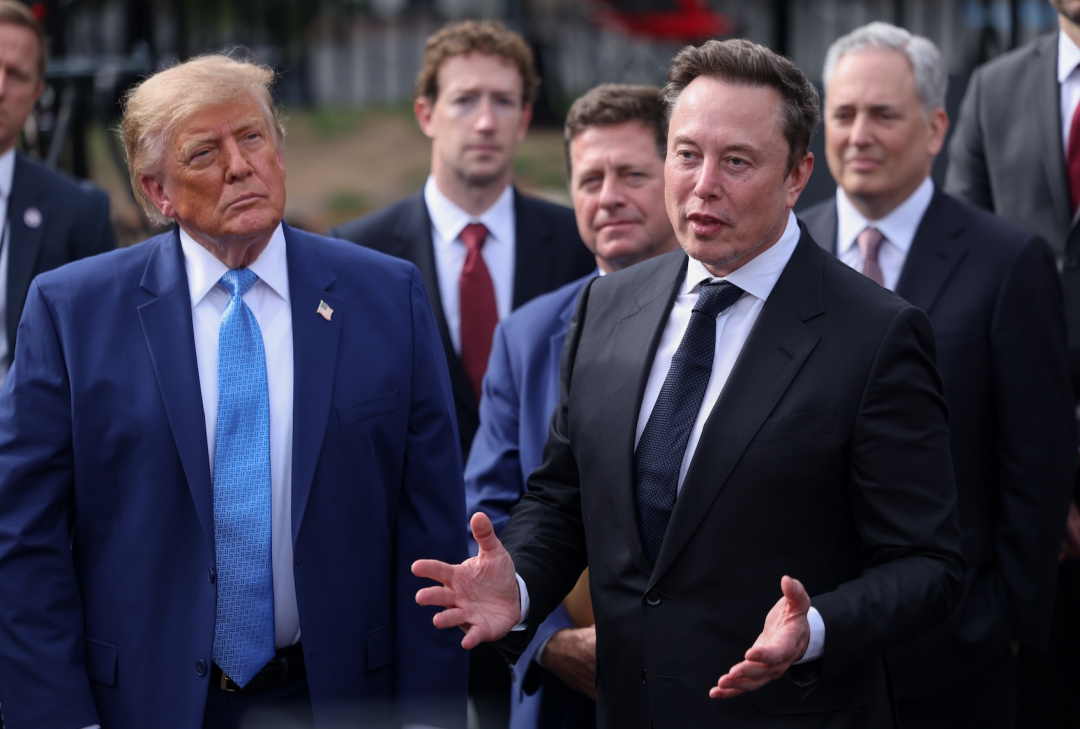
The tech titans are already on board with this shiny new label. Elon Musk has announced plans to rebrand SpaceXAI to SpaceXSI, claiming that ‘artificial’ carries such unfortunate connotations, akin to ‘artificial sweeteners’—a comparison that surely has lobbyists for high-fructose corn syrup shaking in their boots. Jeff Bezos echoed this sentiment, stating, “Nobody wants artificial flavoring,” adding a culinary twist to a debate that should be about technology, not the latest food trend.
Even Peter Thiel, the self-styled oracle of the tech elite, has coined critics as ‘the Antichrist,’ a term he has apparently trademarked for his secretive lectures. His philosophical musings have suggested that those opposing ‘super intelligence’ are merely leveraging the narrative to boost their popularity, pointing fingers at figures like Obama and the Pope to deflect attention from the real issues at hand. The idea that these critics are driven by a desire for fame rather than a genuine concern for ethics in AI is a classic case of projection from a man who has turned the tech industry into a philosophical battleground.
As the White House continues to use ‘AI’ on official websites, irony abounds. The site dedicated to this new supercharged intelligence, albeit under the URL ‘ai.gov,’ is now plastered with the new branding for ‘super intelligence’ as if a mere name change could quell the legitimate fears surrounding AI governance. It leads one to wonder: are we truly embracing a new era of technological advancement, or simply dressing up the same old problems in a new outfit?
The Rebranding of Reality
In an age where reality can be reshaped by the particular language that leaders choose, Trump’s administration has crafted a narrative that spins critics into adversaries. A world where critics are enemies is a world where dissent is silenced not through reasoned debate, but through a clever rewording of reality. As the term ‘super intelligence’ gains traction among the tech elite, the more troubling implications of this linguistic shift remain ensconced beneath layers of glittering jargon.
The absurdity is palpable. By diverting attention from genuine discussions about the ethical implications of AI, the administration crafts a facade of triumph over dissent. Critics, once voices of caution, now find themselves on the wrong side of history, ironically painted as alarmists. The question remains: will the ‘super intelligence’ survive its own publicity stunt, or will it collapse under the weight of the very fears it attempts to dismiss?
Your takeaway
As this saga unfolds, the public must grapple with the implications of branding, censorship, and the ever-blurring lines between government and corporate interests. It is crucial to remember that no amount of rebranding can change the fundamental issues surrounding technology and its impact on society. With critics labeled as enemies, the real danger lies in the stifling of dissent and the elevation of euphemism over meaningful conversation. Will we embrace true intelligence, or will we settle for whatever ‘super’ means in the Oval Office?