Trump Promises to Fund Future Ads, But Taxpayers Remain on Hook for Past Propaganda
The Trump administration has once again dazzled the American public with its commitment to patriotic messaging, insisting that taxpayer-funded television advertisements are merely reminders of why the United States is worth defending. But, in an ironic twist, a stunning 86 percent of Americans believe it’s downright inappropriate to use public funds for such campaign-style antics, a consensus so overwhelming it's practically a national declaration.
In a recent Reuters/Ipsos poll, even four out of five Republicans expressed their dismay at this blatant misuse of taxpayer money for election-related ads featuring none other than President Trump himself. As Trump announces plans to stop using public funds for future ads, one can only imagine the excitement in the air—after all, who doesn’t love the sound of a government leader momentarily stepping away from the privilege of using public dollars to promote themselves?
Still Beats Watergate:
Sponsor success. Continue reading:
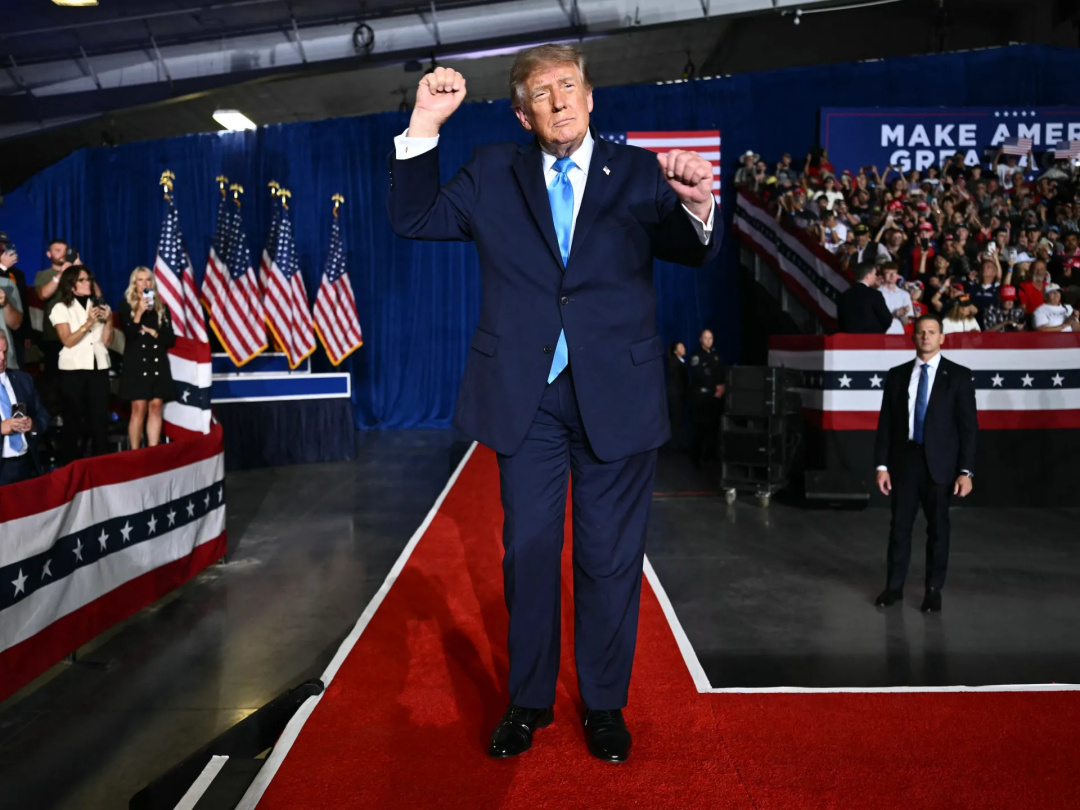
"The ads were really good"—to hear Trump tell it—is akin to a magician saying, "Don’t look in the hat, look at the rabbit!" The ads in question, which have already cost taxpayers over $1.4 million, are more akin to campaign propaganda than public service announcements. One particularly touching commercial features a choir singing "love me" against a backdrop of Trump, who pledges that America will "never be a communist country." What a relief! After all, who among us wouldn’t feel at ease knowing that our tax dollars are being used to remind us of the dangers of communism while simultaneously funding a golden age of Trump-centered nostalgia?
Critically, Trump’s continued financial gymnastics leave the public in a bind. While the president suggests he’ll pay for future ads out of his own pocket, he plays a tantalizing game of whether or not to reimburse taxpayers for those ads already aired. The White House’s response? They’ll only cover what lies ahead. One might affectionately refer to this as the classic political shuffle: responsibility without ownership, a performance art worthy of the highest Broadway accolades.
As the administration faces a flurry of bipartisan criticism, even Republican Senate Majority Leader John Thune has chimed in, insisting that taxpayer dollars should not be used for this ill-fated endeavor. Yet, the White House stands firm, defending these ads as public service announcements, much like those promoting Medicare and COVID-19 vaccinations. Of course, one can’t help but notice the slight difference: the latter campaigns had actual policies behind them, while Trump’s glittering productions play like badly scripted infomercials without a product to sell.
Concerns Over Legal Boundaries of Propaganda
The absurdity escalates as experts warn that these ads may violate federal laws limiting the use of taxpayer funds for propaganda. Richard Painter, a former White House ethics lawyer, boldly stated, "You watch all three ads; they’re sheer propaganda." So, as we sit down to watch what we thought was a simple football game, we might instead find ourselves subjected to a round of Trump’s greatest hits, funded by our very own wallets.
As the midterm elections loom, the Trump administration’s push for a so-called golden age replete with glorified self-promotion remains a contentious issue. In a world where accountability and fiscal responsibility are mere footnotes in the grand narrative of governance, one has to wonder: what does it mean when the leader of the free world leans on taxpayer generosity to showcase his own legacy?
Your takeaway
As the White House continues to navigate this minefield of mixed messages, the real question on everyone's lips is whether these ads will ultimately redefine propaganda in the age of social media—or simply become a punchline in the ongoing saga of political theater. Only time will tell if this golden age truly shines or if it simply glimmers with the promise of political mischief.
In the end, the real takeaway from this saga is that while Trump may express a desire to take responsibility for future ads, the past certainly remains a weighty anchor on the collective conscience of taxpayers. His promises are sparkling, but the implications are as heavy as the federal budget—light on accountability, but rich in irony.