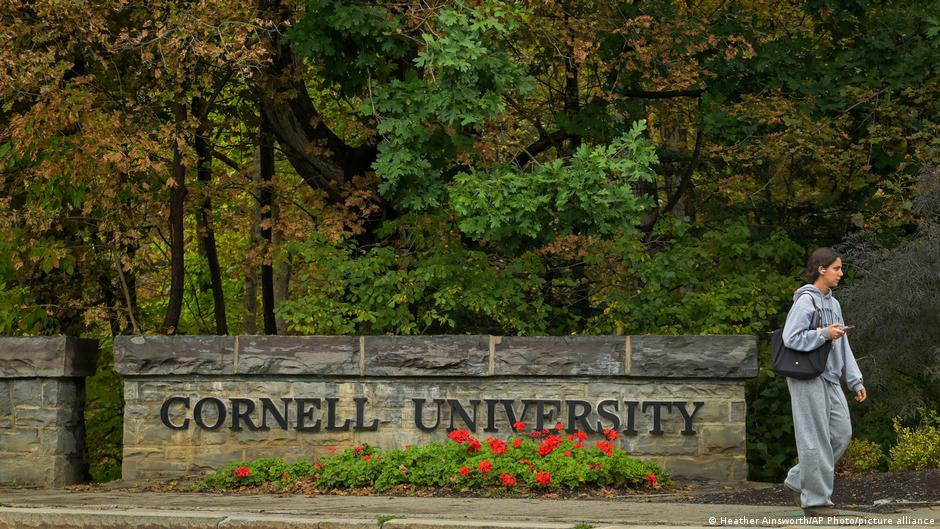
Cornell Gang Rape Case: Defense Team Wonders If Special Prosecutor Should Just Follow the Script
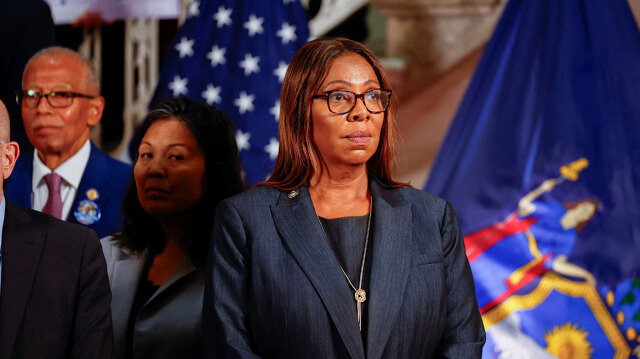
In a shocking turn of events, the defense for one of the seven men accused in the Cornell gang rape case has requested that the special prosecutor, New York Attorney General Letitia James, take a step back. This request stems from comments James made that could, they argue, undermine her ability to conduct a fair investigation. Apparently, the defense team believes that when you’re accused of such serious charges, having a prosecutor who shows empathy for the alleged victim can be a bit of a plot twist they didn’t sign up for.
The defense attorney pointed to a social media post from James where she stated that the alleged victim’s ordeal was "horrific and unacceptable," adding that she and other survivors "are not alone." Because nothing says impartiality like having public officials express sympathy for victims, right? Clearly, the defense has taken a page from the playbook that suggests the best defense is a good offense, even when that offense seems to be a novel concept in the realm of sexual assault cases.
Still Beats Watergate:
Sponsor success. Continue reading:
Meanwhile, New York Governor Kathy Hochul chimed in to bolster confidence in the process, assuring that James would follow the facts wherever they lead. Because when has a public official ever failed to treat serious allegations with the utmost gravity?
In a case rife with complications, it’s not just the legal proceedings that are under scrutiny. The university’s handling of the original complaint has sparked outrage, ultimately leading to an upcoming vote of no confidence in its leadership. Cornell’s Faculty Senate is set to express its collective dissatisfaction next week, likely hoping to avoid being typecast as the institution that turned a blind eye to such severe allegations.
As the situation unfolds, the defenders of the so-called "Cornell 7" seem to be banking on the notion that if they can just keep the focus on procedural fairness, they might sidestep the more uncomfortable realities of the accusations against their clients. After all, who needs accountability when you can just follow the rules and hope for the best?
The University Under the Microscope
Cornell is not only facing scrutiny from the public but also from its own faculty, with professors and academic staff expressing their discontent in an unprecedented show of solidarity. The upcoming no-confidence vote could serve as the academic community’s way of signaling that they will not tolerate any more half-measures when it comes to handling such serious allegations.
While the defense attorney is busy trying to navigate the legal labyrinth, the university is scrambling to do damage control, all while hoping that the spotlight doesn’t linger too long on their own actions. Cornell’s leadership, it seems, is hoping to execute a flawless maneuver of their own: an independent review of how allegations have been handled, all while the campus remains a hotbed of protest and outrage.
What Comes Next?
As the dust settles on this unfolding saga, one can’t help but wonder what the next act will entail. Will the defense's plea for recusal gain traction, or will the case proceed under the watchful gaze of a prosecutor who seems to believe in victims? Meanwhile, the university’s leadership faces a growing chorus of dissent, as their ability to navigate this tumultuous situation is tested. In the end, one thing is clear: when it comes to accountability, it’s a long road ahead, filled with more twists and turns than a courtroom drama.
In true institutional fashion, both the defense and the university will likely continue to emphasize procedure over substance, leaving those caught in the middle wondering just how far removed they truly are from justice. And as the curtain falls on this act, the audience—students, faculty, and the public—waits with bated breath for the next scene, wondering what will unfold in this ongoing saga of policy, power, and public perception.