Trump's Taxpayer-Funded Ads: The Ultimate Campaign Donation Scheme
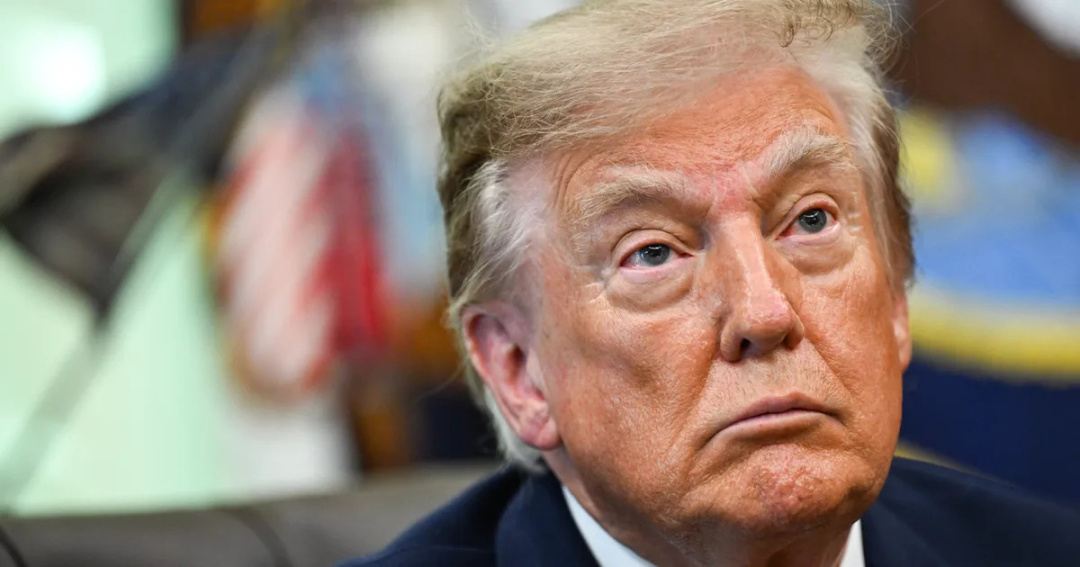
In a stunning display of political ingenuity, President Trump has turned taxpayer-funded ads into something resembling a campaign donation scheme, leading the Democratic National Committee (DNC) to file a lawsuit faster than you can say 'unprecedented.' The DNC has accused Trump of a ‘blatant violation’ of using appropriated funds for what can only be described as self-promotion disguised as public service. It’s as if the administration believed the rules about not spending taxpayer money on ‘publicity or propaganda purposes’ were merely a suggestion, much like the rules about keeping your fingers out of the cookie jar.
The ads, which began airing in late September, received bipartisan condemnation, but it was particularly striking to see bipartisan outrage in a landscape where party lines usually resemble family feuds at Thanksgiving. Featuring Trump declaring that “America will never be a communist country” against backdrops of Americana like Mount Rushmore, these ads could make a history teacher weep. The DNC, however, is not just crying over spilled milk; they’re taking Trump to court to stop the spending spree, believing that with less than 30 days before the midterm elections, every second counts, especially when taxpayer dollars are on the line.
Still Beats Watergate:
Sponsor success. Continue reading:
In a show of remarkable political strategy, Trump took to Truth Social to proclaim that the ads were “a positive promotion for our Great U.S.A.” before casually mentioning that they would no longer be funded by taxpayers. The White House, eager to deflect responsibility, quickly announced that Trump’s MAGA PAC would take over financing the ads. But the DNC isn’t letting this slight go unnoticed; they argue that the ads continued to air even after Trump made his comments about ending taxpayer funding. It’s like watching a magic trick where the magician keeps pulling the same rabbit out of the hat, and you’re left wondering if you’re the punchline.
The ads have reportedly aired during football games—because nothing says ‘patriotism’ quite like watching your favorite team while a man in a suit declares his love for himself on national television. One particularly memorable ad features a chorus chanting “love me” while images of Trump flash onscreen, leaving viewers questioning whether they were watching a political ad or a particularly bizarre infomercial. It’s as if the ads are less about America and more about a personal brand endorsement that the brand itself paid for.
As the DNC pushes forward with its lawsuit, the ads continue to air, deceptively ending with a disclaimer declaring government funding. It’s a twist that would leave even the most seasoned political satirist giddy with excitement, imagining the endless possibilities of turning public funding into self-aggrandizing media. As this legal battle unfolds, we can only watch in amusement, waiting to see just how far the lengths of political absurdity will stretch before someone finally calls a time-out on this theatrical performance.
What Could Possibly Go Wrong?
With the precedent of taxpayer-funded political ads now firmly established, one can only speculate about the future of political campaigning. Will we soon see ads where candidates propose using our taxes to sponsor their next golf outing or public appearances? Could a new trend emerge where elected officials ask taxpayers to fund their family vacations? The absurdity knows no bounds.
As the DNC works diligently to stop these ads from continuing, there remains a question of what the outcome will be. If Trump wins this round, will we all be expected to watch his latest exploits while cheering him on, financially supporting his extravagant lifestyle? It’s an entertaining thought indeed, but as taxpayers, we ought to be asking ourselves if we’re willing to be part of this spectacle that blurs the line between governance and performance art. A political circus is one thing, but being forced to buy a ticket is quite another.
Your Takeaway
In the face of such political creativity, we are left to ponder the ethical implications of using public funds as a stage for political performance. If the concept of transparency is to mean anything at all, one would hope for a swift resolution to this audacious use of taxpayer dollars. Perhaps in the end, the most valuable lesson here is that some forms of ‘government spending’ aren’t as innocent as they seem, especially when they come wrapped in red, white, and blue.
As we navigate through this unprecedented chapter, let’s remain vigilant and ready for the next act in this ongoing performance of political drama, one where the audience might just be left holding the bill.