Yale's Negotiations: A Masterclass in Academic Surrender
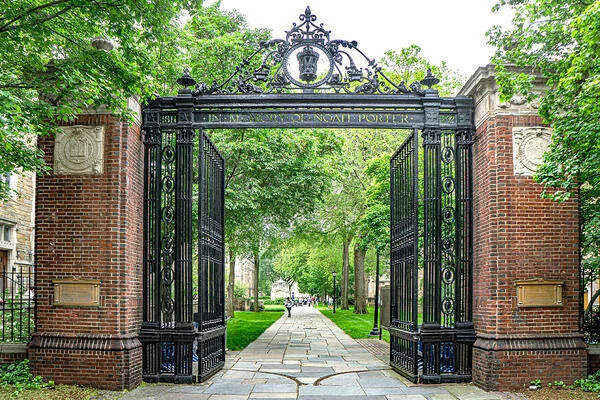
In a bold and daring move that will surely echo through the hallowed halls of academia, Yale University has reportedly set its sights on a negotiation with the Trump administration, leaving students and faculty gasping for air as they clutch their diplomas. This high-stakes game of academic chicken has prompted an outcry, as the fine folks at Yale scramble to defend their virtue in the face of potential capitulation to the whims of the White House.
In a memo that surely didn't take long to draft—probably while everyone was at brunch—administrators explained that the negotiations are simply a way to ensure that Yale does not lose out on federal funding. You know, because nothing says “prestigious institution” quite like being financially handcuffed by the government. The students and faculty, however, are not impressed. They’re demanding Yale stand firm, insisting that surrendering to political pressure is akin to trading in your academic integrity for a few shiny federal dollars.
Still Beats Watergate:
Sponsor success. Continue reading:
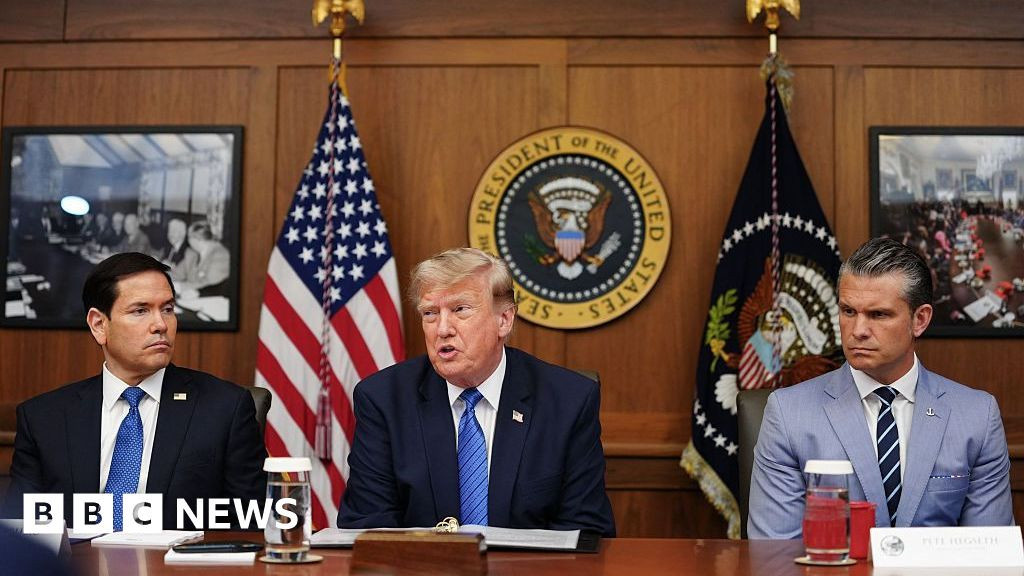
Meanwhile, the Trump administration looks to be licking its chops, ready to negotiate terms that would make even the most seasoned used car salesman blush. According to sources close to the Oval Office, the negotiation strategy is simple: “offer them a deal they can’t refuse” and then make a dramatic exit while tossing a few paperbacks on ‘how to negotiate like a pro’ in their direction.
Amidst the chaos, students have taken to the streets with signs that read, “Don't Cave, Yale!” It’s a clever play on words that, if nothing else, showcases their commitment to rhyming slogans over coherent policy alternatives. They could have gone with “Fight for Your Rights” or “Save Our School,” but why be predictable when you can add a pinch of poetic flair to your protest?
The faculty, meanwhile, are in a state of existential crisis. Professors are reportedly holding emergency meetings in the faculty lounge, each clutching their coffee mugs as if they were the Holy Grail. They’re wrestling with their conscience, debating whether to support Yale's negotiation efforts or to challenge the administration's approach—because what better way to show your commitment to education than by engaging in a protracted internal debate over the ethics of negotiating with an administration known for its own academic rigor, which is roughly equivalent to a YouTube tutorial on how to tie your shoes?
As the negotiations loom, Yale finds itself in a precarious position—the school must decide whether to uphold its legacy as a bastion of enlightenment or to embrace the beautifully chaotic dance that is political compromise. The world watches, popcorn in hand, ready to see if Yale will rise to the occasion or if it will succumb to the sweet siren song of federal funding.
In the end, let us all remember that the real losers in this situation are the students and faculty who might have to endure the fallout of a deal that could redefine what it means to be a Yale graduate. Only time will tell if this institution of higher learning will stand tall or shrink into the shadows of political expediency.
So, Yale, the ball is in your court. The question remains: will you negotiate your way out of this with dignity or will you roll the dice in the game of political poker?