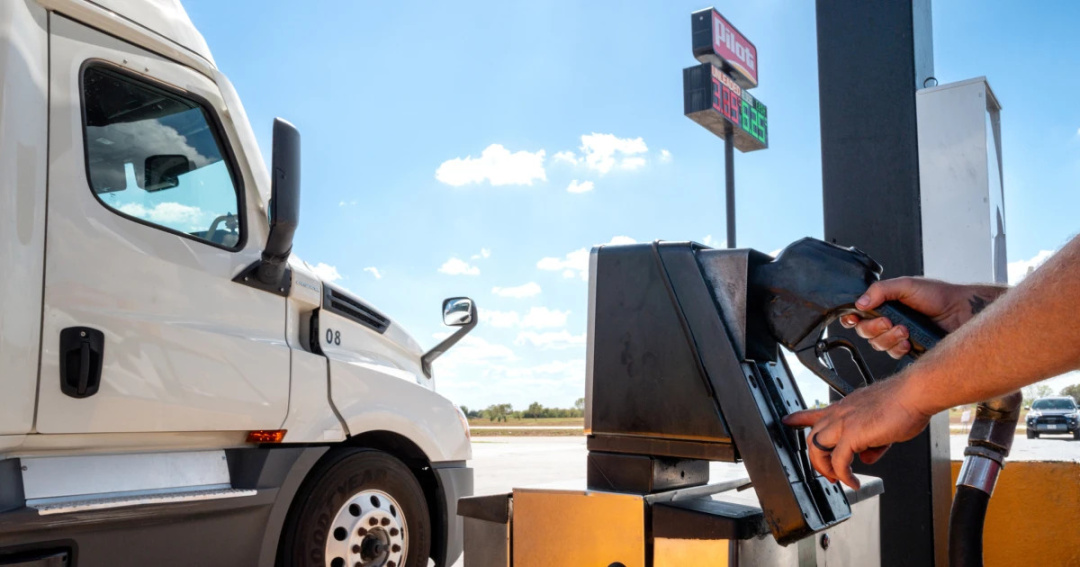
Executive Order Expands Dyed Diesel Access, Promises Relief One Drop at a Time
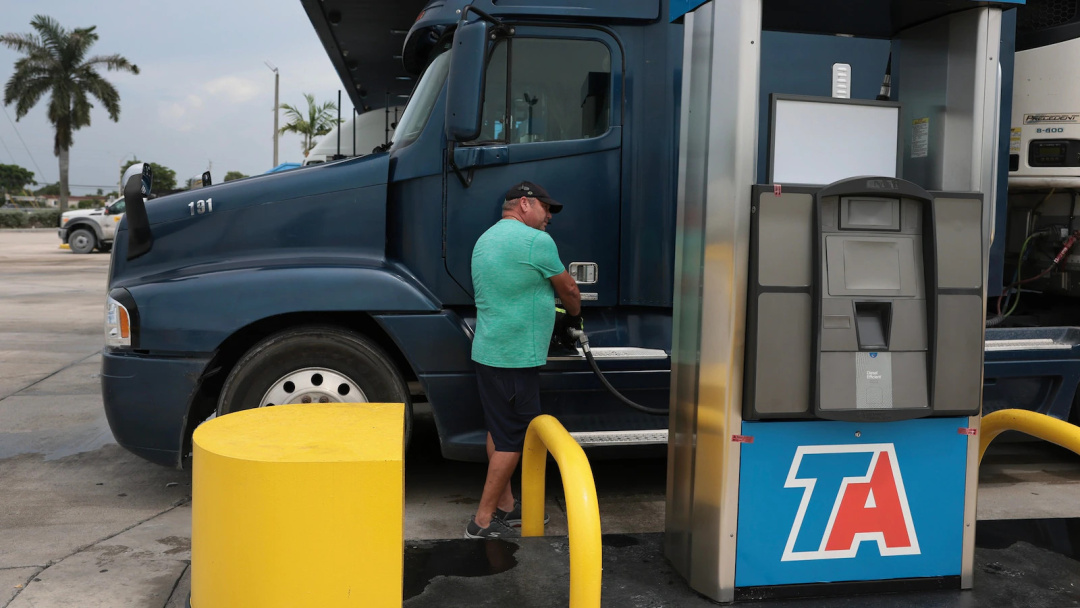
In a bold display of executive bravado, President Trump has announced a new executive order designed to provide relief from soaring diesel prices—because nothing says economic strategy like a splash of color in your fuel tank. This decree expands access to dyed diesel, a tax-exempt fuel typically reserved for farmers and construction equipment, now available for a broader range of road vehicles. The White House, in a moment of clarity, declared that farmers and truckers are critical to the American way of life and have allegedly suffered under the weight of rising diesel prices.
The theory is straightforward: by making dyed diesel available beyond its usual suspects, the administration hopes to dial down costs for everyone from farmers to fridge-filling shoppers. One can almost hear the collective sigh of relief from the agricultural community, as they prepare to save a whopping 24.4 cents per gallon—if they can find a station that stocks this new fuel.
Still Beats Watergate:
Sponsor success. Continue reading:
Yet, amid the colored optimism, reality sneaks in like an uninvited guest. Yes, dyed diesel is exempt from that pesky federal tax, but it turns out, actually finding it may resemble a scavenger hunt more than a gas station visit. Analysts have raised eyebrows, noting that while the order could mean a minuscule drop in price—about 25 cents per gallon for the lucky few—it may ultimately lead to higher demand than supply can accommodate. Cue the inevitable upward pressure on prices, like a reverse balloon animal that just won't cooperate.
Even the most optimistic projections are swimming upstream against the currents of economic nuance. With diesel prices currently averaging $6.31 per gallon—up a staggering 70% from last year—one must ask: is 24.4 cents really going to make a difference? For those filling 150-gallon tanks, a savings of $36 might just cover lunch on the way to the next job site. But what about inflation's other tolls?
Economic Impact of Diesel Price Changes
The ramifications of this executive order ripple out into the broader economy, with experts like Timothy Fitzgerald and David Ortega warning that the real savings at grocery stores could be so negligible that you'd need a microscope to spot them. If diesel costs contribute a mere three to four cents to the price of food, how much can we really expect from this colorful fuel initiative?
The patchwork of state-level exemptions complicates things further, as truckers navigating through states like Nebraska and Texas might find themselves playing a game of tax roulette every time they cross a border. But, hey, who doesn't love a good gamble? In the grand scheme of political theater, this executive order shines as a perfect example of how to present a solution that sounds good on paper, yet leaves much to be desired when it comes to practical application.
Your takeaway
As the administration champions its latest initiative, one must ponder whether the dyed diesel saga will ultimately be remembered as a masterstroke of policy or just another smudge on the canvas of executive action. With diesel prices remaining stubbornly high, we might all be left wondering whether this colorful new strategy will roll into the future or stall at the gas station. After all, when it comes to diesel, it seems the only thing less reliable than the price is the political narrative surrounding it.
At the end of the day, this latest move may serve more as a campaign prop than an effective economic remedy. The idea of reduced fuel prices sounds enticing but, like many shiny political promises, could evaporate faster than dyed diesel in a summer heatwave. As we look ahead, we can only hope the next executive order comes with a little more substance behind its colorful claims.