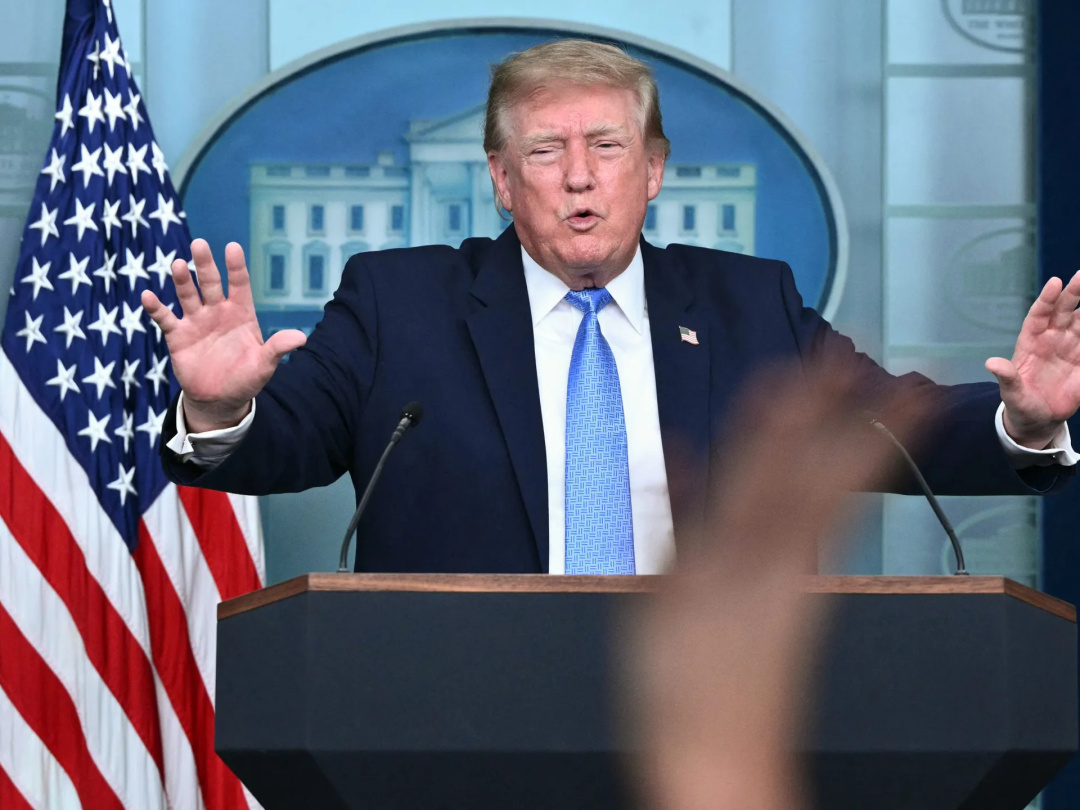
Trump Suggests Letting Iran Nuke U.S. Cities—In Exchange for War Justification
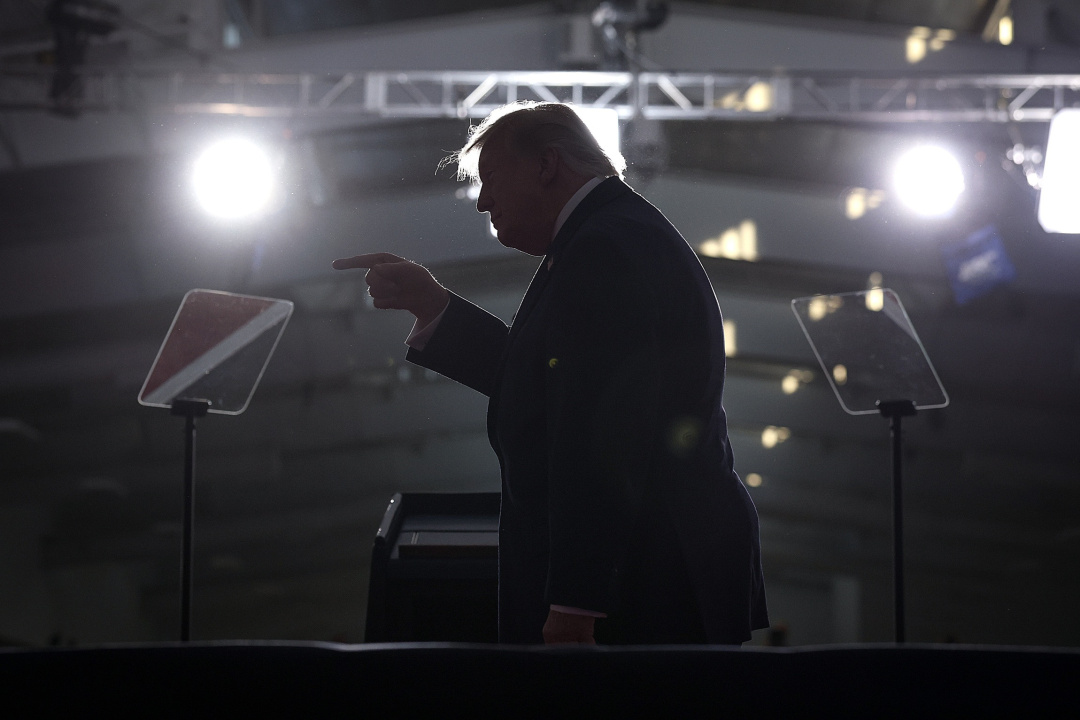
At a recent political rally, President Trump took the stage with a bold new strategy to win over the public: suggesting that the U.S. might have to accept nuclear attacks from Iran on major cities like San Diego or Los Angeles. This audacious proposal isn’t just a slip of the tongue; it’s part of his grand defense for the ongoing war, which, by the way, the American public overwhelmingly disapproves of.
The president addressed his supporters in Nebraska with a mix of bravado and bewilderment, claiming the war’s economic toll was a mere ‘small price to pay’ for a safer world. This statement came just after he suggested that hypothetically letting Iran ‘take out’ some cities was somehow a necessary deterrent. It’s a classic case of putting the cart before the horse—or in this case, the nuclear bomb before the cart.
Still Beats Watergate:
Sponsor success. Continue reading:
"Remember, with the war, it’s just artificial. It’s a little bit high," Trump stated, attempting to downplay the economic impact as Americans watch their wallets shrink. It seems he believes that making nuclear threats is just part of the job description for a commander-in-chief. The crowd, rather than gasping in horror, cheered him on, perhaps embracing a new slogan: ‘Better cities than no war!’
As the backlash grew, so did the White House's Rapid Response Team, who took to social media to clarify that Trump was advocating for the U.S. to stop Iran from ever getting the chance to nuke cities—an interestingly twisted way of saying that nuclear threats are simply part of their negotiation strategy. So, by their logic, the best way to protect the American people is to continually remind them that their cities might be on the target list.
This isn’t the first time Trump’s words have raised eyebrows. Just last month, he suggested that letting Iran hit a U.S. city with a nuclear weapon would lead to ‘turmoil and travesty’—a vivid poetic way to describe his administration’s foreign policy. Critics have been left scratching their heads, trying to determine whether he’s knowingly misleading the public or simply oblivious to the gravity of his statements.
Recent polling reveals that a staggering 60% of voters want the war to end, yet Trump remains convinced this conflict will somehow bolster Republican chances in upcoming midterms. His reasoning? A world where Iran might wield nuclear weapons—because fear is the new strategy, apparently.
The Absurdity of Political Calculations
Now, as we navigate this unique form of political theater, one can’t help but wonder: what’s next? Will the administration offer a reward for cities that remain untouched? Or maybe a bonus for every citizen who decides to move?
In this age of absurdity, one thing is clear: the only thing more explosive than Trump’s remarks might be the laughter that follows them as the rest of us facepalm in disbelief.
As the administration’s rhetoric spirals into the realm of the ridiculous, it’s apparent that communication has become less about clarity and more about provoking reactions. Trump’s comments, laden with bizarre bravado, serve as a reminder that sometimes the greatest danger isn’t the threat of war itself but the leaders who wield rhetoric like a weapon.
Your takeaway
What’s next on the table? Will we see a new policy where cities in the U.S. are encouraged to fortify against potential nuclear threats by taking a page from the ‘duck and cover’ playbook? Or perhaps a nationwide lottery where citizens can wager on which city is next in the line of fire? Whatever the outcome, it’s clear that the discourse is shifting toward a new frontier of political theater—one where absurdity reigns supreme and reality takes a backseat.
We may not have definitive answers on the future of U.S.-Iran relations, but one conclusion remains: in the political landscape, the absurd often overshadows the real. The question is, how far is too far when it comes to juggling words of war?