Trump's Rally Remarks Suggest Cities Are Just Casualties in His War Game
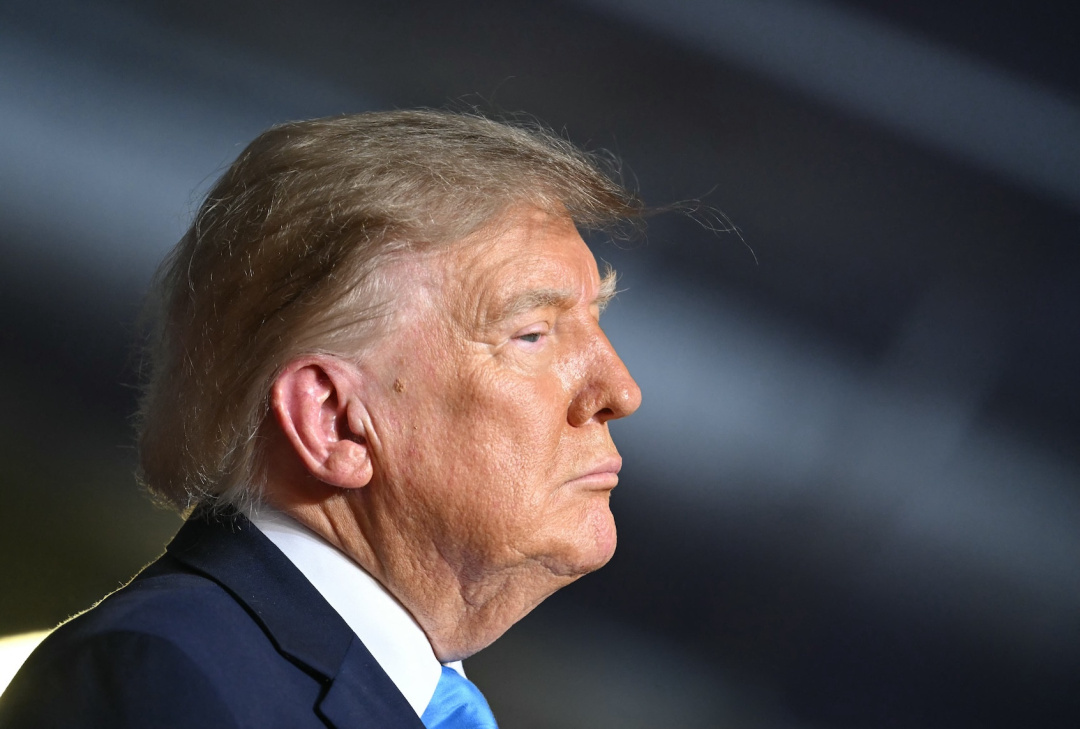
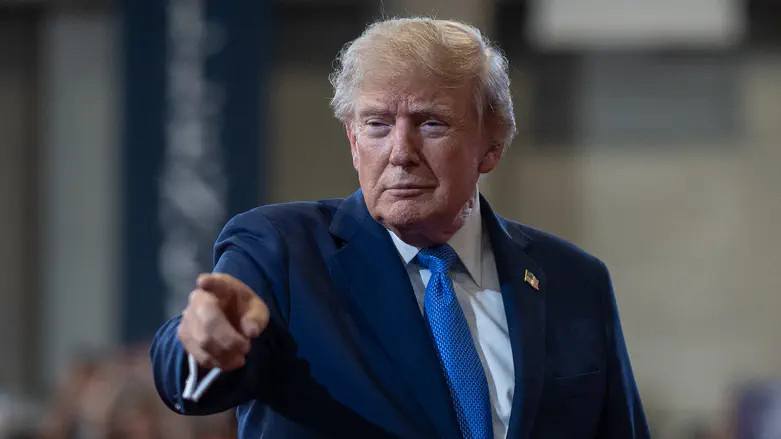
At a Monday night rally in Nebraska, President Donald Trump took to the stage to address issues like the Iran war and eye-watering oil prices, each eliciting the sort of enthusiasm typically reserved for tax audits. In a moment that could only be described as a masterclass in political rhetoric, Trump declared that the price of peace might just be the annihilation of a U.S. city, prompting applause that can only be interpreted as either support or sheer disbelief.
“It’s a small price to pay for keeping the world safe, keeping our country safe,” Trump opined, casually tossing in names like Los Angeles and San Diego as potential target zones, as if he were ordering off a menu. This audacious strategy of equating potential urban destruction with national security has many scratching their heads and others reaching for their smartphones to tweet in outrage.
Still Beats Watergate:
Sponsor success. Continue reading:
Public officials representing the very cities Trump mentioned were quick to react. San Diego Mayor Todd Gloria, who was evidently not keen on being collateral damage, shot back on X, asserting that his city is “not collateral damage.” Meanwhile, Los Angeles Mayor Karen Bass labeled Trump's comments as “dangerous,” firmly reminding him that Angelenos know a thing or two about standing together, especially when the alternative is to become a target in some twisted geopolitical chess match.
California Governor Gavin Newsom didn’t take the comments lightly either, describing them as potentially “treasonous.” He even announced plans to direct the State Threat Assessment Center to keep an eye on the situation, lest someone interpret the President’s remarks as a come-on to foreign actors. Because nothing says 'safety' like a government agency ramping up its watch list over a politician’s reckless remarks.
White House Attempts to Clarify Trump's Intentions
On Tuesday, as if on cue, the White House jumped into damage control mode, insisting that the media’s reaction was a complete overreaction. White House Communications Director Steven Cheung emphasized that Trump was merely stating that cities would be safe if the U.S. were to prevent Iran from going nuclear. So, in a twist that would make a pretzel jealous, the administration clarified that the President actually wants to protect cities, not sacrifice them, as if that would magically erase the original statement.
Now, while families of fallen soldiers from the Iran war chose not to attend a major White House event hosted by Trump, it's important to note that this was a deliberate act of defiance rather than a mere scheduling conflict. After all, honoring the memory of one’s sacrifice shouldn’t come with an invitation to a rally that suggests their home could have been a target.
The Irony of Collateral Damage
So, where does this leave us? The President’s rhetoric, delivered in the dulcet tones of a man who once suggested injecting bleach to cure a virus, has created a cacophony of confusion amongst politicians and citizens alike. The message that U.S. cities could be fair game in the pursuit of international security has been met with an uproar that no amount of White House spin can sufficiently quell. It’s as if we’ve stepped into a bizarre world where urban centers are nothing more than chess pieces in a game of global brinkmanship.
As we await further clarification—or perhaps more bizarre declarations—it’s clear that the administration’s narrative is as murky as a foggy day in San Francisco. Maybe next time, Trump will throw in a friendly reminder that he’s not actually advocating for bombing cities, just promoting an innovative approach to international diplomacy. After all, what’s a little collateral damage between friends?