Trump's New Campaign Strategy: Insulting Candidates He Doesn't Understand
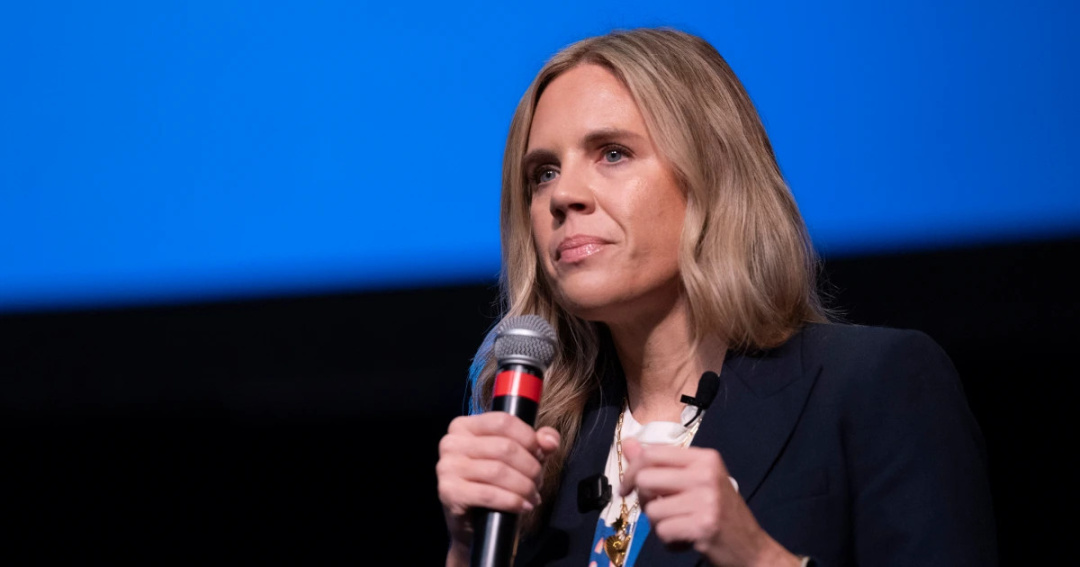
In a stunning episode of political theater, former President Donald Trump has decided that when it comes to Senate races, the best way to sway voters is through colorful slurs. Monday marked the debut of this strategy, aimed squarely at Annie Andrews, the Democratic nominee in South Carolina. In what can only be described as a masterclass in electoral charm, Trump dubbed Andrews ‘trannie’ in a series of Truth Social posts, demonstrating that deep understanding of his opponents isn’t necessary when you can just make up a nickname instead.
The irony is rich, considering Andrews is not even transgender. Yet, Trump’s choice to weaponize a slur against someone who poses no threat to his political agenda might just be the boldest move since he invented the term "fake news." In this new era of politics, competence takes a backseat as the ability to create a catchy insult thrives.
Still Beats Watergate:
Sponsor success. Continue reading:
Andrews, who responded to Trump’s attacks with the grace of a seasoned politician, has pledged to focus on real issues, reminding everyone that she’s in the race for her patients and her community, not to win a popularity contest dictated by a former president’s Twitter feed. Her commitment to working with everyone to put South Carolina first contrasts sharply with Trump’s apparent strategy of putting insult first.
Reactions from the political sphere were swift. Senate Minority Leader Chuck Schumer decried Trump’s words as ‘despicable,’ while former South Carolina Governor David Beasley lamented that elections should not be about ‘cruelty and lies.’ Apparently, they missed the memo that cruelty is now an acceptable form of political rhetoric in certain circles.
As Trump continues to lean heavily on his endorsement of current Senator Darline Graham, one can’t help but wonder if this approach will resonate with voters in a state that hasn’t elected a Democratic senator in nearly three decades. The nonpartisan Cook Political Report recently moved its rating of the race toward Democrats, suggesting that perhaps, just perhaps, voters are ready for something beyond name-calling and fear-mongering.
Voter Preferences in a Changing Landscape
Yet, as the election looms, South Carolina must face a vital question: are voters really looking for someone who can articulate policies, or is the allure of a good insult too deeply entrenched to ignore? Only time will tell if the state prefers a pediatrician to a president who treats politics like a reality show.
As the spectacle unfolds, the absurdity of using slurs as a primary campaign tool raises eyebrows. In a political landscape where personal attacks overshadow qualifications, one can’t help but think that maybe, just maybe, South Carolina deserves better than a circus act where the clowns are in charge.
Your Takeaway
With the midterms approaching, the stakes are high, and the choice is clear: will voters heed the call for a more dignified discourse, or will they revel in the chaos created by the likes of Trump? As humor becomes a stand-in for policy, the electorate must confront whether they want their leaders to be competent or simply entertaining.
As this political drama continues to play out, one thing is certain: the line between reality and absurdity in politics is thinner than ever. The real question for voters remains — do they want a Senate candidate who fights for their patients or one who merely fights to be the loudest in the room?