Nepal's Finance Minister Meets World Bank President: A New Era of Infrastructure Planning
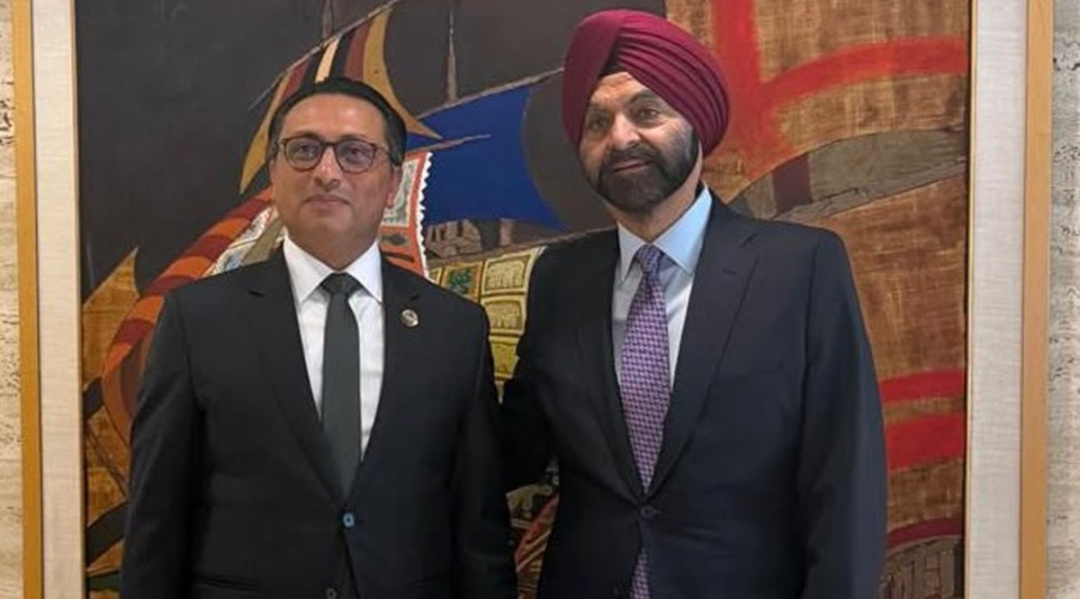
In a meeting that experts are calling the most strategic use of real estate since Monopoly, Nepali Finance Minister Dr. Swarnim Wagle sat across from World Bank President Ajay Banga in Washington, DC, and set the stage for a new chapter of infrastructure reconstruction. One can only imagine the excitement in the air as Wagle wielded the power of a delegation like a kid in a candy store, ready to discuss the reconstruction of physical and economic infrastructure ravaged by the recent catastrophic floods.
As Wagle and Banga exchanged pleasantries—probably over coffee strong enough to fuel the Nepalese economy for a decade—the conversation turned towards the lofty ambitions of mobilizing an astounding USD 1 billion for insurance and social protection. This is the kind of financial wizardry that makes accountants weep with joy! However, skeptics might raise an eyebrow over whether this billion-dollar proposal is more than just a number on a PowerPoint slide.
Still Beats Watergate:
Sponsor success. Continue reading:
Banga, in a moment of sincerity, expressed his condolences regarding the tragedies that befell Nepal due to the flooding. He pledged that the World Bank would not only provide support but also take decisive initiatives to enhance joint investments in the country's priority sectors. This could be a game-changer, or it could be a classic case of bureaucratic hopping where promises are merely footnotes in a lengthy report.
Amid this optimistic chatter, the meeting made history as it represented the first direct bilateral discussion between a Nepali finance minister and a World Bank president in thirty years. One can wonder what officials were doing for those three decades—perhaps shuffling papers while making sure the ink was properly dried?
The Irony Behind Infrastructure Promises
While the room was likely filled with the sounds of optimism, the subtle irony loomed large: the true test of these ambitious plans lies not in the grand proclamations but in tangible actions. It’s fascinating how infrastructure talks often resemble a game of charades, with everyone nodding vigorously while the details remain shrouded in ambiguity.
Affecting you
So as Wagle returns to Nepal, armed with promises and discussions, one must ask: will these plans transform into the concrete reality of new roads and bridges, or will they fade into the annals of political theater, much like the ghosts of initiatives past? It seems the real challenge might just be turning the applause of international meetings into applause from the citizens back home.
Being able to mobilize funds is thrilling, but if they remain tethered to bureaucratic delay and red tape, it could lead to another round of ‘let’s wait and see.’ As they say, the road to development is paved with good intentions—let’s just hope it doesn’t lead to another metaphorical traffic jam of inaction.