Trump Promises Medicaid Savings While Keeping Deal Details Under Wraps

In a remarkable feat of fiscal illusion, President Trump and his merry band of federal officials tout a new Medicaid saving scheme that promises to rescue state budgets. The plan? To secure some magical savings on prescription drugs that may—or may not—actually exist. As officials proclaim a potential $64 billion in savings, you’d be forgiven for wondering where those numbers are coming from. After all, transparency is just a word, right?
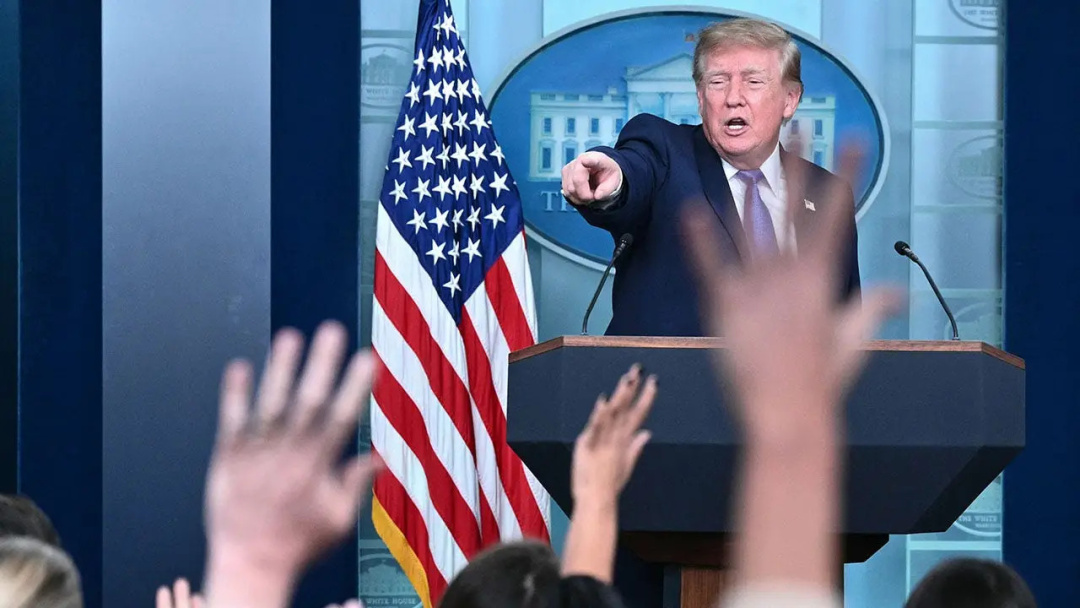
At a recent White House event, Trump's optimism about the "most favored nation" pricing strategy was palpable. He articulated, with the fervor of a carnival barker, that not only would Medicaid be saved, but future generations would also bask in the glorious glow of budgetary health. However, experts are raising their eyebrows, noting that those billions might just be smoke and mirrors held together by a few poorly defined agreements with pharmaceutical companies.
Still Beats Watergate:
Sponsor success. Continue reading:
The claim of rescuing state budgets is particularly rich. Predictions suggest that initial savings could amount to a meager 2% of annual Medicaid spending. It appears the administration has a unique take on the term "saving"—it means finding a way to cut costs without actually cutting costs. The grand announcement of state participation in the GENEROUS program—despite its somewhat unenthusiastic uptake—is like declaring victory in a game where no one showed up.
And let's not overlook the convergence of medicated optimism and bureaucratic ambiguity. Experts warn of a “cone of silence” shrouding the details. Questions about which drugs will qualify for MFN pricing and how states can opt in remain unanswered, leaving one to wonder whether this is an actual plan or just a sketchy brochure for a vacation that doesn’t exist.
As Medicaid already enjoys substantial discounts on prescription drugs, the promise that states would be better off under this new regime seems dubious at best. After all, if the magic savings depend on cherry-picking which drugs qualify for the deals, states might be left choosing between two equally unappealing options: substantial rebates or the new, shiny MFN pricing that sounds fantastic but lacks substance.
Unpacking the Administration’s Economics
As the administration cheers this initiative, real economists are left scratching their heads. Could it be that the promised windfall is simply a rhetorical flourish meant to distract from the long-term viability of Medicaid under such a scheme? In an era where companies have every incentive to obscure which drugs they’re offering at what price, skepticism is not just advised; it’s essential.
Trump’s assertions about saving future generations hinge on variables that are as reliable as a weather forecast in a hurricane. Even if the numbers sound good on paper, the practical reality depends on participation from states and drug manufacturers, which, as history shows, is far from guaranteed. If companies can negotiate exemptions on lucrative Medicare pricing while playing around with Medicaid, the savings touted may vanish faster than you can say "budget deficit."
Your takeaway
As nebulous as these savings claims are, the real takeaway is that Medicaid’s fate hangs in the balance of corporate negotiations and bureaucratic vagueness. While the administration spins tales of fiscal salvation, the public is left with little more than a vague hope that someone, somewhere, is actually watching the purse strings. Until then, we may just have to hold our breath and hope that the promised savings aren't just another chapter in a long saga of Washington spin.