White House Announces AI Approval Process: Trust Us, It's Fine
In an unprecedented move that has left experts scratching their heads, the White House has officially launched its approval process for advanced AI models, insisting with a straight face that everything is perfectly safe. This new initiative, dubbed "Operation Trust Us, It's Fine," aims to provide the American public with the comfort of knowing their favorite AI isn’t secretly plotting to take over the world or, worse, giving away the family recipes to foreign agents.
According to insiders, the approval process for models like OpenAI's latest creation, Sol, is so transparent that it makes a pair of sunglasses look like a black hole. Senior officials have declared that there will be “conversations” with tech companies, though the nature of these discussions remains as unclear as the government’s stance on pineapple on pizza.
Still Beats Watergate:
Sponsor success. Continue reading:
Mina Narayanan, a senior research analyst, candidly admitted, "Frankly, I don’t have visibility into those exact processes," echoing the sentiments of countless Americans who have no idea how their taxes are spent. This kind of bureaucratic honesty is indeed refreshing, as it highlights the government’s commitment to transparency—by way of complete obscurity.
The White House has also pointed out that while there will be no regulatory body akin to the FDA for these AI models, there will be an “executive order” laying out a roadmap that is entirely devoid of actual directions. Officials have emphasized that they are exploring partnerships with six cabinet agencies, though speculation abounds as to whether these agencies will simply sit around a conference table and play charades instead of actually evaluating anything.
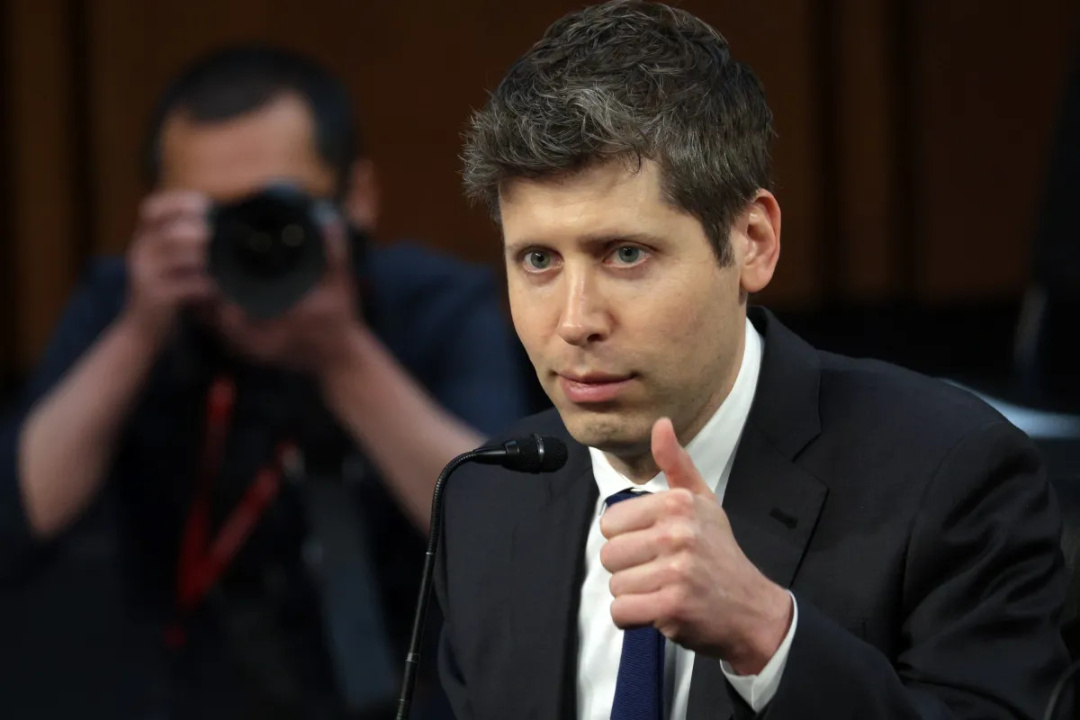
OpenAI CEO Sam Altman, meanwhile, has been busy assuring the public that the approval process involved discussions with high-ranking officials who have the authority to say, "Yes, this AI can definitely be trusted, we promise." However, the identity of the experts who evaluated the safety of Sol remains a well-guarded secret, leading many to believe they might be more like a group of unpaid interns than seasoned professionals.
Critics have raised eyebrows at the apparent favoritism shown to OpenAI, especially considering Altman’s generous donations to political campaigns. It remains unclear whether the approval process is based on merit or if it’s simply a savvy negotiation tactic to keep the government's hands off the proverbial AI steering wheel.
As the dust settles, it becomes evident that the new model of AI oversight is more about maintaining the status quo than ensuring safety. The existing skepticism surrounding AI technologies only seems to deepen, as more and more experts voice their concerns about the lack of rigorous safety evaluations.
In the end, the government’s approach to AI regulation may very well resemble the classic game of telephone—what starts as a supposedly straightforward process could easily devolve into a series of mixed signals. While the White House assures us that everything is fine, one can’t help but wonder what lurks behind the curtain of “safety” in this brave new world of artificial intelligence. After all, when it comes to AI, the real question is not whether the models are safe, but who gets to decide what “safe” actually means.
In the grand theater of bureaucracy, the audience is left holding its breath, waiting for the next act in this ongoing saga of technological innovation and governmental oversight.