Kosovo Parliament Plans to Limit War Crimes Court Powers, Protesters Seek to Limit Their Patience
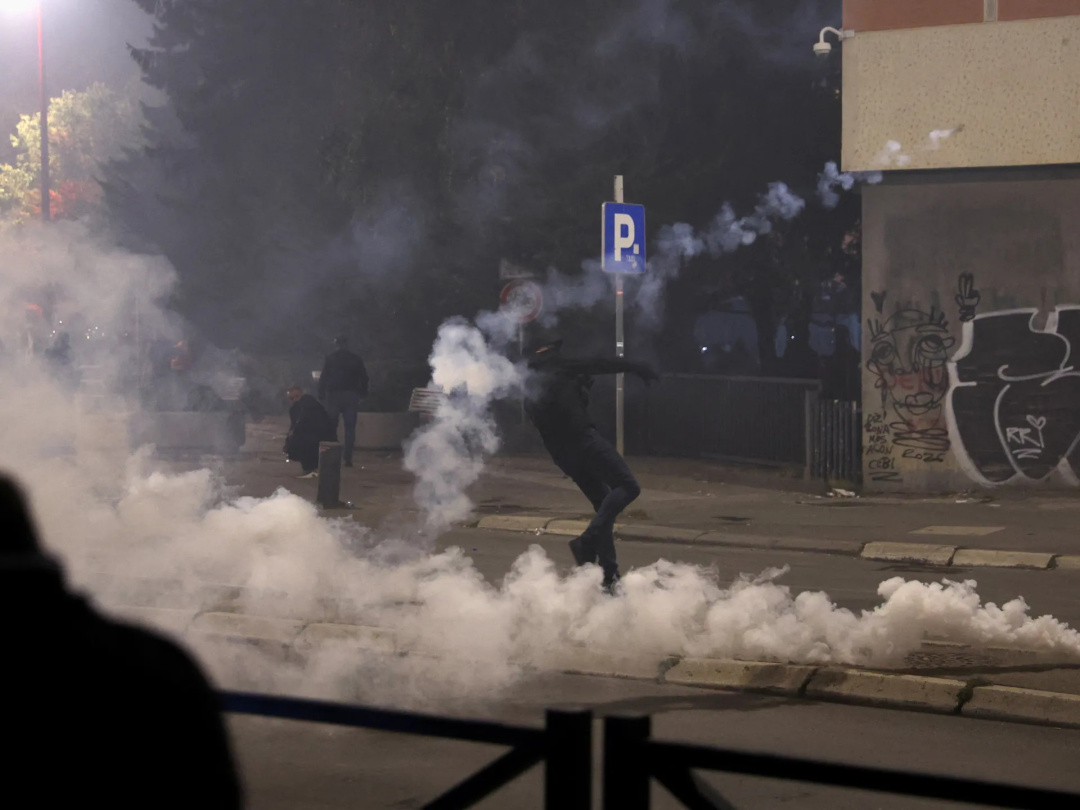
In a stunning show of political theater, Kosovo's Parliament has ventured into the dangerous waters of legal reform, attempting to limit the powers of the Hague-based war crimes court. This bold move, which aims to reduce sentences and allow appeals back home, has erupted into clashes that could only be described as a masterclass in miscommunication. Because nothing says ‘we care about justice’ quite like a government decision met with tear gas and water cannons!
The proposed changes to the Kosovo Specialist Chambers would allow sentences to be capped at a mere 15 years and could let convicted war criminals serve time in Kosovo rather than in The Hague. Critics of this legislation argue that these amendments are nothing more than a slap on the wrist for the alleged perpetrators of heinous war crimes, proving that some policymakers are more concerned about maintaining popularity than pursuing justice.
Still Beats Watergate:
Sponsor success. Continue reading:
As protesters gathered outside the Parliament building—many waving flares and firecrackers, perhaps suggesting they took the term ‘hot topic’ too literally—members of the Kosovo Liberation Army insisted they were merely expressing their deep-seated frustration with a system they view as having turned against them. After all, when your historical narrative hinges on fighting oppression, it’s hard to swallow the idea of accountability being reformulated into a cozy, local affair.
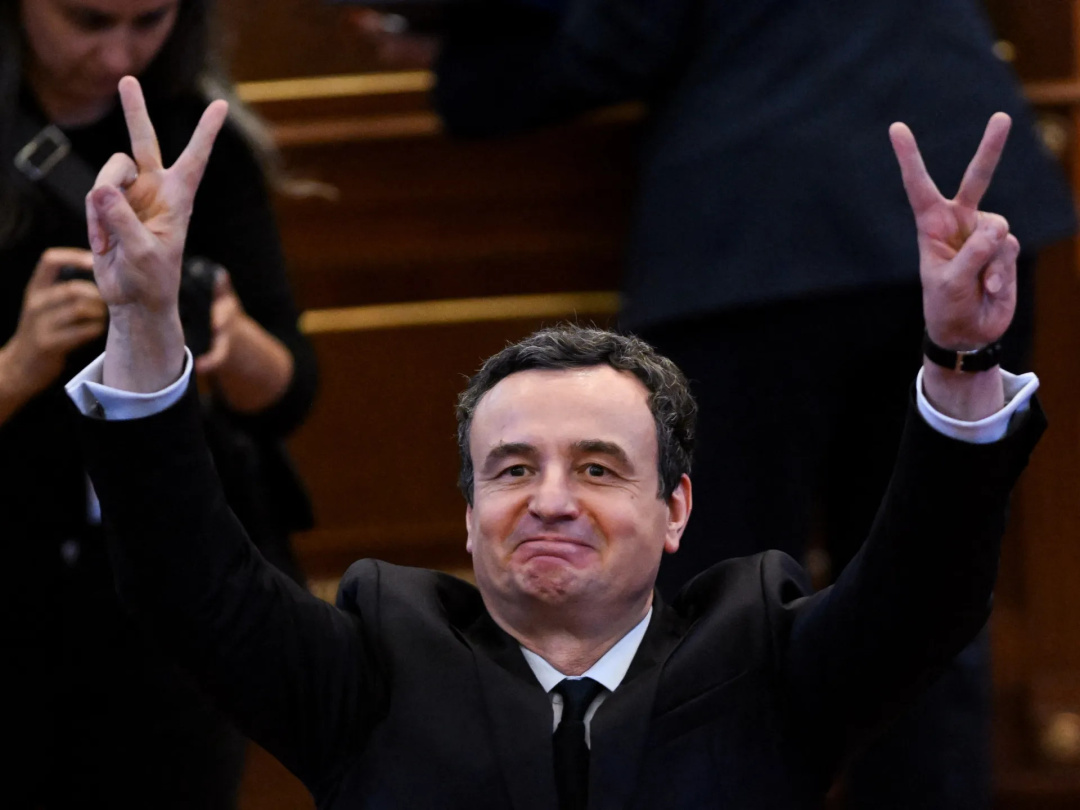
Amid the chaos, Prime Minister Albin Kurti noted that the proposed rush to amend the law was somehow justified as a step towards ‘greater local agency,’ as if shortening sentences could possibly equate to greater accountability. Perhaps we should rename the court the ‘Hague War Crimes Court for Local Friends and Family’ to reflect its new, welcoming spirit. After all, who wouldn’t want to feel secure that their fellow war criminal could be just a stone's throw away serving a cushy sentence right next door?
The backdrop to this entire political circus is the recent sentencing of former President Hashim Thaci, who received a 25-year sentence alongside several other commanders. While the government hopes these changes will placate the masses, it seems that the only thing they have succeeded in doing is ensuring that everyone has a fresh topic to protest about.
The Court's Role in Political Strategy
The irony of this situation lies in the fact that the very court set up under international pressure to ensure accountability for war crimes is now being seen as a topic of domestic political maneuvering. As Kosovo grapples with its recent history, it has become evident that some politicians prefer to sweep uncomfortable truths under the rug—or perhaps just to ‘remold’ them into something more palatable.
In this dance of legal reform, the real question remains: Can Kosovo find a way to balance accountability with political expediency? Or will the next round of protests feature even more flares and firecrackers as the public's patience continues to dwindle?
Your Takeaway
As the political stalemate continues, the narrative becomes clearer: lawmakers are not just legislating; they are performing. The real spectacle is not just the clashes outside Parliament but the way these decisions are portrayed as being in the public's interest while clearly tiptoeing around accountability. It’s like watching a magician pull a rabbit out of a hat while the audience is shouting, ‘We wanted a lion!’ Not surprisingly, some might say the real crime here is forgetting about the public's right to clarity and justice in these legislative acts that come with a side of confusion and chaos.
In the end, Kosovo's journey through its own judicial maze shows just how precarious the balance between justice and politics can be. With each proposed change, the stakes elevate, and the question remains: which will prevail—justice for past crimes or the convenience of political maneuvering? As history has shown, the answer may just be blowing in the wind, or in this case, the smoke of protest.