Trump Promises to Fund His Ads with Loyalty Dollars Instead of Taxpayer Cash
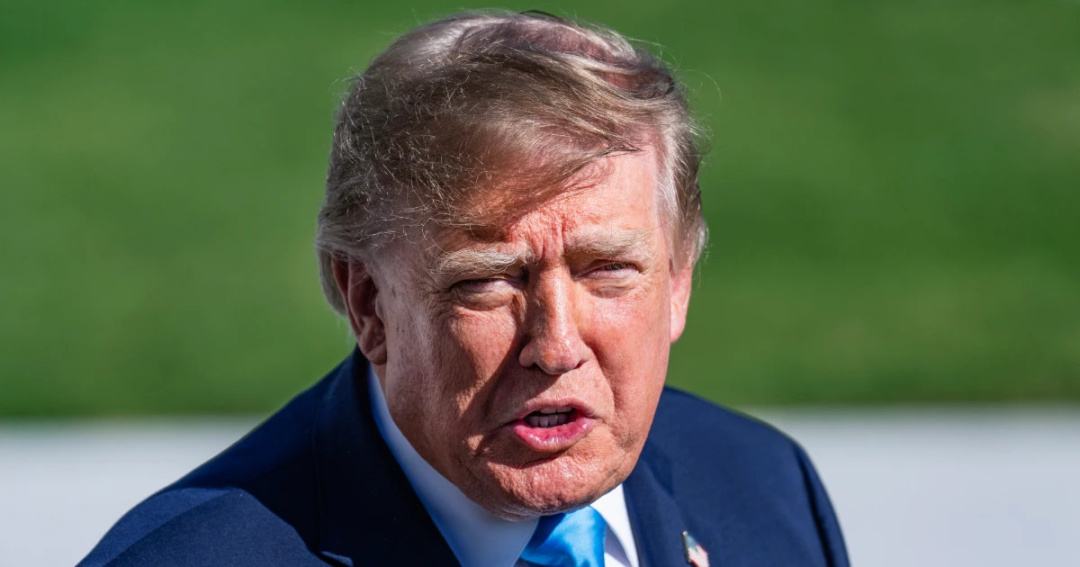
In a shocking twist that leaves everyone wondering just how much loyalty costs, President Trump announced he will now use his own money to fund campaign-style ads rather than relying on taxpayer dollars. Yes, the same taxpayer dollars he once considered a bottomless pit of cash for his promotional endeavors. After bipartisan outcry over what some lawmakers called blatant misuse of federal funds, Trump took to Truth Social, declaring his shift with a flair that only he can muster.
In his latest post, Trump lamented, "The Radical Left is upset with the fact that I am taking Ads, which I consider to be a positive promotion for our Great U.S.A., and paying for them with U.S.A. money." One can almost hear the gears of logic grinding as he insists this kind of funding is "rather standard" — if by standard, he means the kind of standard that only applies to him. Loyal supporters can now rest easy knowing their beloved leader, who somehow raised millions for his super PAC, MAGA Inc., is putting those funds where his mouth is.
Still Beats Watergate:
Sponsor success. Continue reading:
But what about the ads that have already aired, which reportedly cost us taxpayers around $10 million? Will Trump reimburse the coffers? The White House, in a fit of bureaucratic gymnastics, deflected queries about past expenditures while confidently stating, "MAGA Inc. will pay for the PSA ads moving forward." In typical fashion, they emphasized how these ads are not political but rather a necessary civic reminder of the wonders of loving your country — as if love could be bought, packaged, and nicely gift-wrapped in a five-minute commercial.
Questions Surrounding Ad Funding Practices
One might ponder why a Maryland-based firm was handed a $20 million contract for these ads, or if the folks at Customs and Border Protection ever imagined their budget would be used to create a campaign promotion. Senators from both parties have condemned the use of taxpayer funds for what they are calling propaganda, but the Trump administration has taken a decidedly nonchalant approach, viewing such critiques as mere background noise.
Applied to you
As it stands, the administration’s defense of these ads rests on the thrilling premise that every time Trump appears on screen, it’s akin to a national public service announcement — you know, like reminding citizens to appreciate their country, not just their president. This delightful irony is almost enough to make one wonder what other national treasures might find their way into Hollywood blockbusters.
In the end, we may never know how much a loyalty dollar really costs, but at least Trump is giving taxpayers a break — sort of. The real question remains: what’s next in this wonderful world of campaign finance where the lines between loyalty, advertising, and government spending blur into one indistinguishable self-aggrandizing mess?