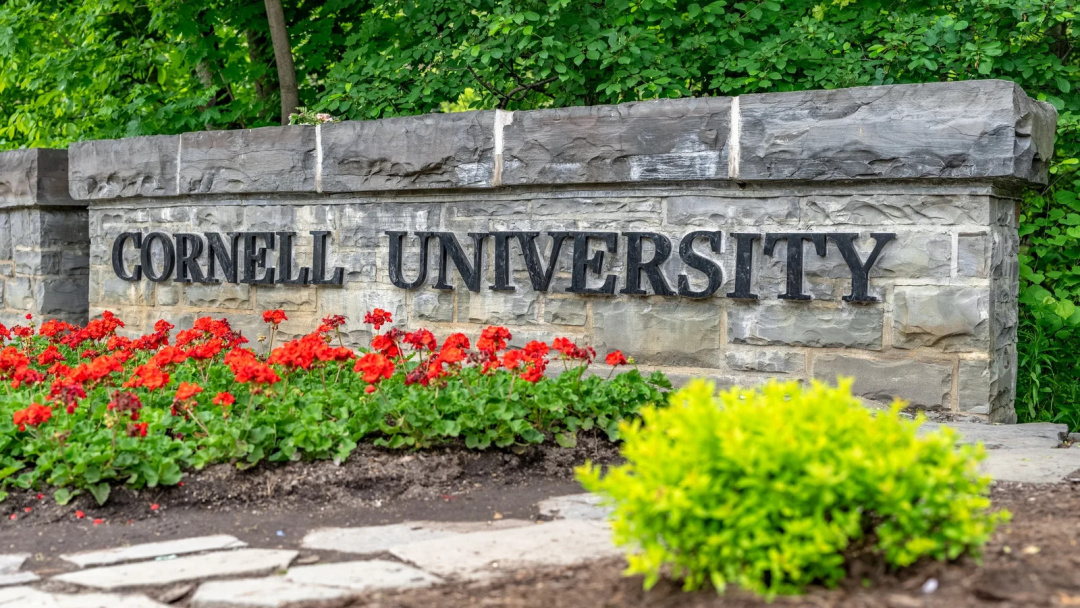
Cornell University Introduces New Curriculum on Protecting Rapists Over Victims
Cornell University is making headlines for its innovative approach to higher education, reportedly introducing an enlightening new curriculum titled "How to Protect Rapists While Ignoring Victims." The demand for such a program arises from the recent lawsuit involving a student, who, under the alias Jane Doe, claims to have been drugged and assaulted by seven fraternity members in a stunning display of collegiate misconduct.
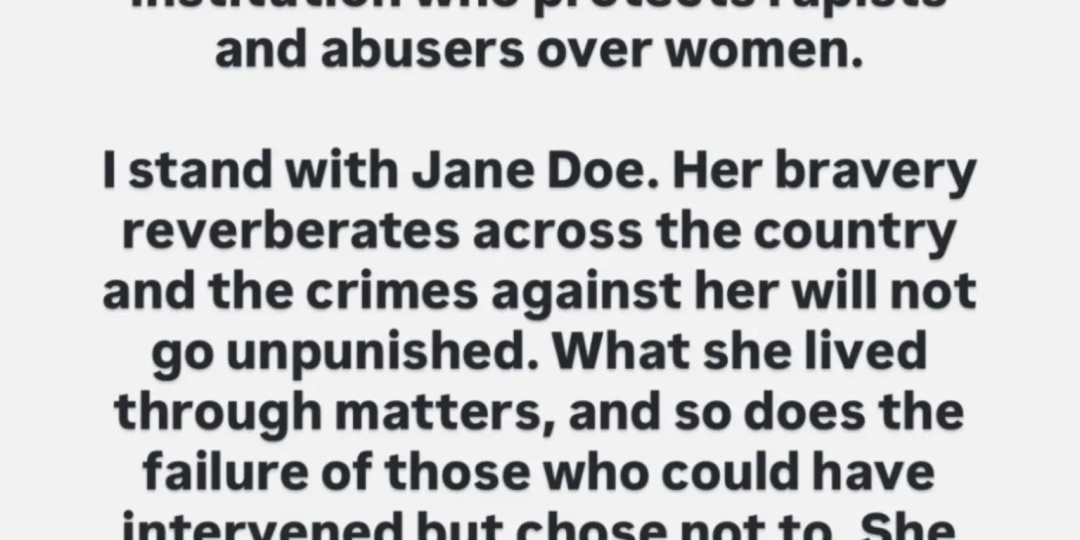
In a move that is sure to surprise absolutely no one, the university's response to this alarming allegation includes a robust focus on protecting the reputations of the accused—while minimizing the voices of the victims. Olivia Rodrigo, the pop sensation with a knack for rallying support, took to Instagram to back Jane Doe, condemning Cornell for prioritizing the welfare of its fraternity members over the safety of its students.
Rodrigo's declaration of "Shame on Cornell and on every institution that protects rapists and abusers over women" has resonated across the nation, leading to a groundswell of support for Jane Doe. However, it appears the university's response to such sentiments includes implementing writing workshops for the accused to reflect on their actions—because nothing says accountability like a well-crafted essay!
The lawsuit further alleges that these fraternity members administered ketamine before the alleged assault, raising questions about the efficacy of Cornell's administration in handling such serious accusations. In what can only be described as a masterclass in shifting focus, Cornell seems to be more interested in maintaining its pristine reputation than ensuring justice for Jane Doe.
In light of the recent developments, including the decision by District Attorney Matt Van Houten to reexamine the case, the appointment of Attorney General Letitia James as a special prosecutor has been met with both skepticism and cautious optimism. Critics argue that the university's quick pivot to ban the fraternity chapter involved is a mere distraction from the systemic issues at play.
Trump's Take on Institutional Responsibility
Perhaps the most ironic twist comes from none other than President Donald Trump, who, in a bid to maintain his image of indifference to serious issues, remarked that Cornell is a "fine school" that would surely do what’s right. Because in the grand scheme of things, what could possibly go wrong when a university is tasked with enforcing accountability?
It seems that as Cornell prepares to roll out its new educational initiatives, students will be learning a valuable lesson: that institutional silence and delaying tactics are the best practices for addressing serious allegations. The university's commitment to a safe environment for all seems to hinge on the hope that the public will forget—or at least overlook—the deeper implications of their choices.
Irony of Accountability and Consequences
As the dust settles on this unfolding drama, one can't help but wonder what the ultimate takeaway will be for students. Will they emerge with a degree in navigating complex ethical dilemmas, or will they simply learn that the status quo remains largely unchallenged? With public figures and celebrities stepping in to demand change, perhaps Cornell will eventually feel the pressure to evolve—or at least to come up with a new slogan to mask the ongoing turmoil.
For now, we can only wait and see how many more workshops will be required before the administration finally takes meaningful action. After all, nothing screams accountability like a cleverly worded essay—preferably one that avoids discussing the actual issues at hand, of course!