Education Department Announces Epic Rebranding for Special Education Oversight
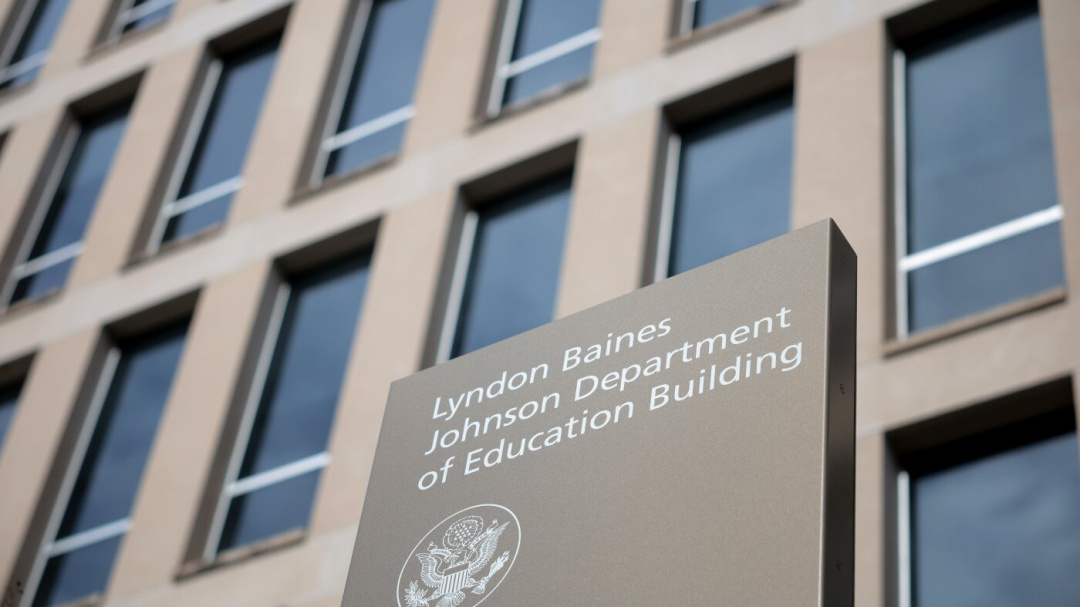
In a recent private call that could only be described as a masterclass in bureaucratic reassurance, the U.S. Department of Education attempted to quell rising concerns from the disability community regarding the impending relocation of special education oversight to a different agency. The officials, armed with nothing but a PowerPoint presentation and a complete lack of substantive answers, promised that everything would be just fine, citing an impressive array of platitudes and buzzwords that would make any corporate retreat proud.
"We are committed to ensuring that all students, regardless of ability, receive the best education possible," declared one official, presumably while clutching a stress ball shaped like a schoolhouse. The response from advocates was a symphony of skepticism, comparable to a group of cats being shown a vacuum cleaner. Advocates expressed concerns that shifting oversight might lead to a dilution of services, but the Education Department's new strategy clearly hinges on the hope that a fresh coat of paint will mask any structural decay underneath.
Still Beats Watergate:
Sponsor success. Continue reading:
Officials assured attendees that they had their best interests at heart, while simultaneously failing to provide any concrete details on what this new oversight would entail. Instead, they promised to send out a follow-up email—sometime next quarter—detailing how the transition would unfold, which is bureaucratic for "we're not really sure yet."
One advocate, who was clearly not buying the snake oil being sold, remarked, "It feels like we’re being asked to trust that the ship is unsinkable right after they’ve announced a transfer of the captain to another vessel entirely."
The Education Department is reportedly excited about the move, viewing it as an opportunity to streamline processes and improve efficiency. However, insiders have noted that the real goal may simply be to shift responsibility away from an agency that has historically been underfunded and overburdened. The irony of moving oversight to a different agency, which may or may not have a clue about special education, was not lost on anyone involved.
In what could only be described as a bureaucratic twist of fate, the Education Department’s rebranding effort is reminiscent of a fast-food chain trying to sell salads as a healthy option while still deep-frying everything in sight. This new chapter in special education oversight is likely to be filled with more questions than answers, but at least the PowerPoint slides will be colorful.
As the dust settles, one can only hope that the new agency will have the resources and commitment needed to actually support those it’s meant to serve. For now, advocates are left with a swirling pit of unease in their stomachs, reminiscent of that pre-meeting coffee that was definitely not brewed with love. They will undoubtedly remain on high alert, waiting for the next round of reassurances, which are sure to come with as much substance as a paper-thin pancake.