Arabella Kushner Welcomes Xi Jinping—Because Diplomacy Needs a Teen Idol
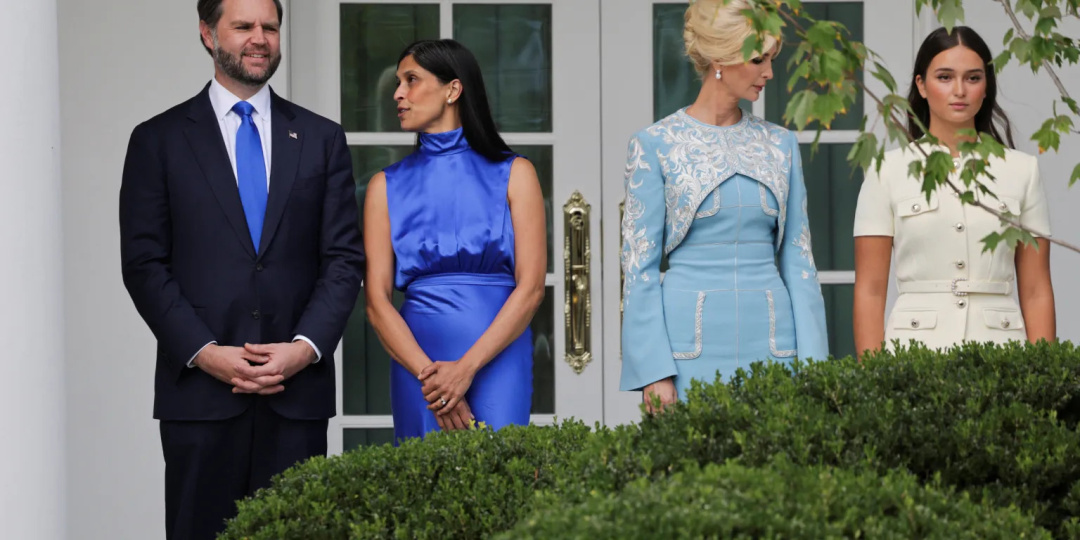
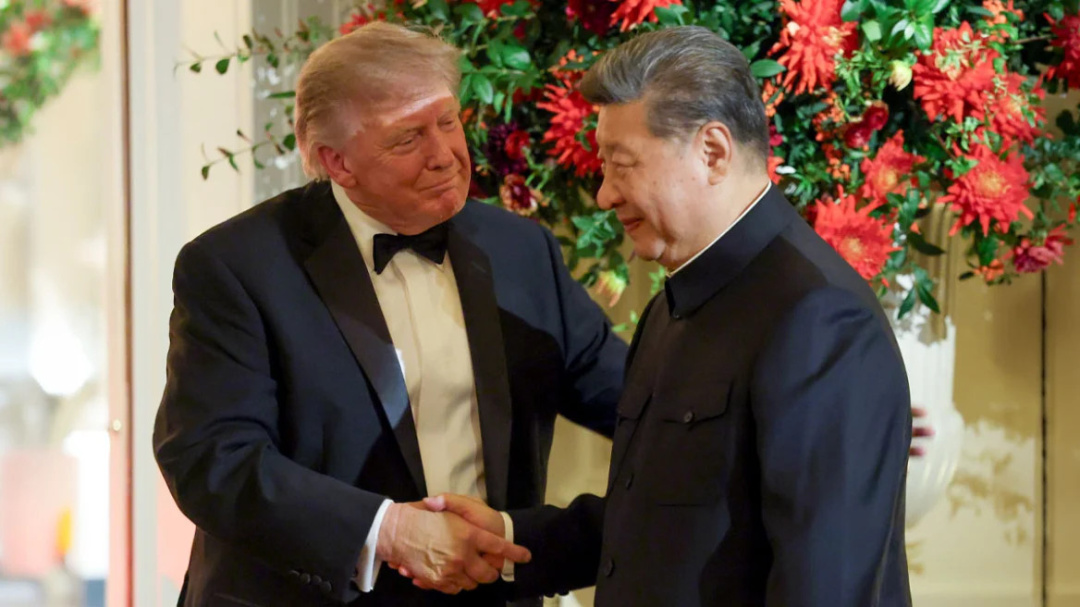
At the September 24, 2026, arrival ceremony for Chinese President Xi Jinping, Arabella Kushner, the famed prodigy of the Trump-Kushner dynasty, was strategically placed in the front row, flanked by her mother, Ivanka Trump, and Secretary of State Marco Rubio. Greeting Xi and his wife, Peng Liyuan, in Mandarin, she offered them a warm "Welcome to America," perhaps in hopes of solidifying a trade deal based on her singing prowess. The New York Post captured this moment, but one can only wonder how much of that greeting was rehearsed in Mandarin by her childhood nanny.
It’s worth noting that Arabella's diplomatic skills didn’t just emerge overnight; her debut performance dates back to age five when she sang "Mo Li Hua" for Xi, a cultural exchange that undoubtedly left the audience to marvel at her future as a potential ambassador. After all, nothing says international relations quite like a toddler singing a song that signifies the beauty of life—a clear metaphor for the delicate nature of U.S.-China relations.
Still Beats Watergate:
Sponsor success. Continue reading:
As she sat beaming in her impeccable ensemble, one could not help but imagine the hushed whispers among Cabinet officials seated at a safe distance. Observers noted that although Scott Bessent and Pete Hegseth occupied seats farther from the podium, their expressions conveyed the shared sentiment: if only their children could sing like Arabella, perhaps they too could have a shot at influencing foreign policy.
But the real star of the show remained Arabella, whose earlier years of Mandarin immersion were credited to a Chinese nanny. This dedication to language learning has its perks, as reported by Donald Trump himself, who declared in a 2017 interview that his granddaughter spoke fluent Chinese. If only the same could be said about the White House's understanding of international economics, maybe we wouldn't need a child to greet foreign dignitaries.
The Trump family, it seems, has found a winning formula. By placing Arabella—now a teenager—at the forefront of such high-stakes meetings, they cleverly rebrand traditional diplomacy as a family affair. Is this a strategic move or merely an attempt to distract from the serious business of international negotiations? With comments from White House spokesperson Anna Kelly emphasizing that involving family in official visits is "completely typical and appropriate," one can only imagine the strategic board meetings where this approach was decided.
Youthful Diplomacy Takes Center Stage
As Xi's visit marks his first trip to Washington in over a decade, it prompts the question: Is the future of U.S.-China relations to be dictated by the lyrical skills of a teenager? If so, we might want to start preparing our next generation for their future roles as global diplomats. After all, if singing can soften the stance on tariffs, perhaps we should all invest in vocal training and charm classes as a new form of foreign policy strategy.
In this modern age, youth engagement in diplomacy is seemingly becoming a trend. Arabella's role epitomizes how children of political elites are not just seen, but heard, often at the expense of actual policy discussions. They serve as living symbols of hope and reconciliation, which raises the poignant question: What if the next big treaty is decided over a karaoke night at the White House?
This reliance on youthful charms to ease tensions is a double-edged sword. While such performances may create an image of goodwill, they also distract from the complex issues at hand. Are we to believe that a well-timed rendition of a folk song could replace strategic dialogue? If Arabella’s Mandarin skills could lead to better trade agreements, we might be entering a new era where fluency in pop culture outshines fluency in policy.
Affecting you
As this diplomatic saga unfolds, we can only hope that future leaders are trained not just in song but also in the intricate arts of negotiation. For now, it appears the U.S. government has decided that the best way to solidify relationships with world leaders is through the innocent smiles of children. Who knew that the key to international diplomacy would be a well-placed high schooler with a penchant for languages?
In the end, let’s remember: If diplomacy fails, at least we’ll always have Arabella's next concert to look forward to. Maybe this time, she can work on a mash-up of trade agreements and ballads, ensuring that our next international relations discussions are both harmonious and productive.