Federal Watchdogs to Probe Trump's Taxpayer-Funded Love Letters
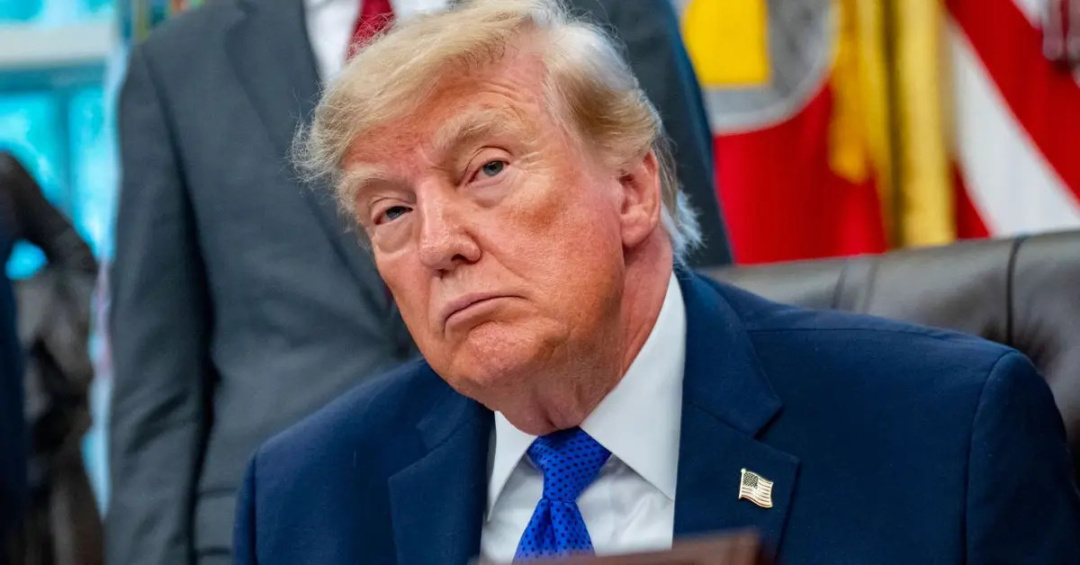
In an unprecedented move, lawmakers have demanded federal scrutiny into what they are calling President Trump’s lavish spending spree of taxpayer money on government-funded ads that appear more like heartfelt pleas than public service announcements. These ads, which critics tag as narcissistic ego trips, have ignited a frenzy of requests for accountability from the Government Accountability Office and the U.S. Office of Special Counsel.
The colorful advertisements, showcasing Trump in various stages of self-adoration, reportedly cost millions. Lawmakers argue that they serve as nothing more than expensive love letters to the American public. In a letter penned to federal watchdogs, House Judiciary Committee member Jamie Raskin and Rep. George Whitesides boldly claimed that these expenditures are not only an affront to fiscal responsibility but a categorical violation of federal law.
Still Beats Watergate:
Sponsor success. Continue reading:
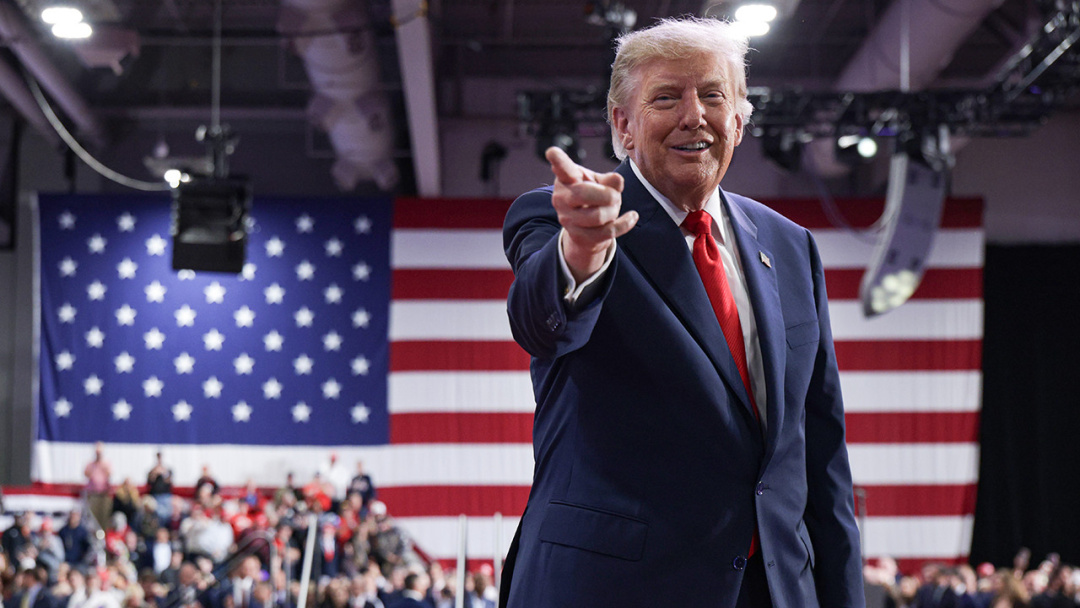
One particularly melodramatic ad features a montage of Trump’s most charming moments, accompanied by a singer's insistently repeated refrain, "love me!" Meanwhile, UFC President Dana White chimes in, proclaiming Trump as the "toughest and most resilient person"—a curious choice for a promo considering the political landscape. Many are left to wonder if this is truly a public service or a government-funded audition tape.
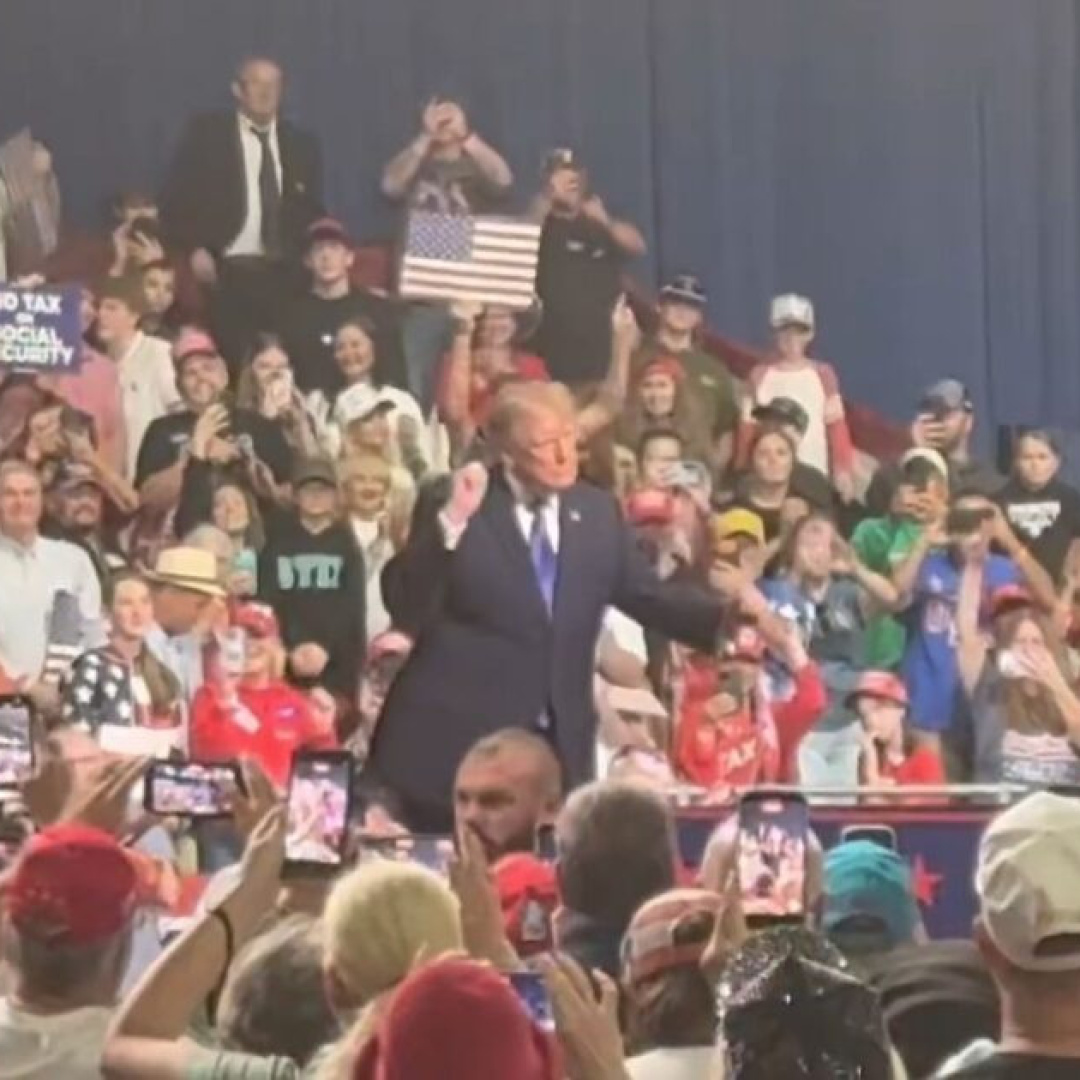
Raskin and Whitesides have raised eyebrows with their insistence that these slick ads, draped in the guise of public announcements, are practically identical to campaign materials he used during his 2024 presidential run, complete with footage and messaging straight from his political rallies. The lawmakers' sharp critiques paint a picture of a president who might be more interested in stroking his own ego than in serving the public interest.
Yet, the White House was quick to push back, dismissing the lawmakers' political characterizations of the ads. An anonymous spokesperson described them as "educational," emphasizing that since Trump is not running for office, they cannot be classified as political. This delightful rebranding of campaign materials as educational initiatives raises the question: what exactly is educational about watching Trump strut his stuff on prime-time TV?
As pressure mounts, these lawmakers have called for thorough investigations into whether the advertisements violated the Consolidated Appropriations Act or any applicable federal statutes. The irony is palpable: Trump, who often touts his administration's commitment to transparency, is now facing a spotlight that reveals more than just his questionable spending habits—it shines a light on the absurdity of using taxpayer money to fund what amounts to a self-affirmation campaign.
A Charade of Accountability
With the fate of taxpayer dollars now in the hands of federal watchdogs, the question remains: will anyone be held responsible for this lavish self-promotion? As lawmakers insist on tracking the funds and determining the legality of these expenditures, one can't help but wonder if this is merely the latest chapter in the saga of Trump’s transactional presidency.
As we await the outcome, the spectacle itself serves as a reminder of the amusing contradiction inherent in the political theater of the Trump administration: a president who demands love while simultaneously asking the public to pay for it. Given the circumstances, it seems taxpayers may not just be funding ads, but also contributing to a rather elaborate performance art piece.
Your takeaway
In the end, this investigation could expose more than just financial irregularities; it may offer a candid look at the lengths to which political figures will go for affection—albeit at the taxpayer's expense. Who knew that public service announcements could also double as vanity projects?