DEA Announces Ban on Kratom: Because Why Let Relief Exist?
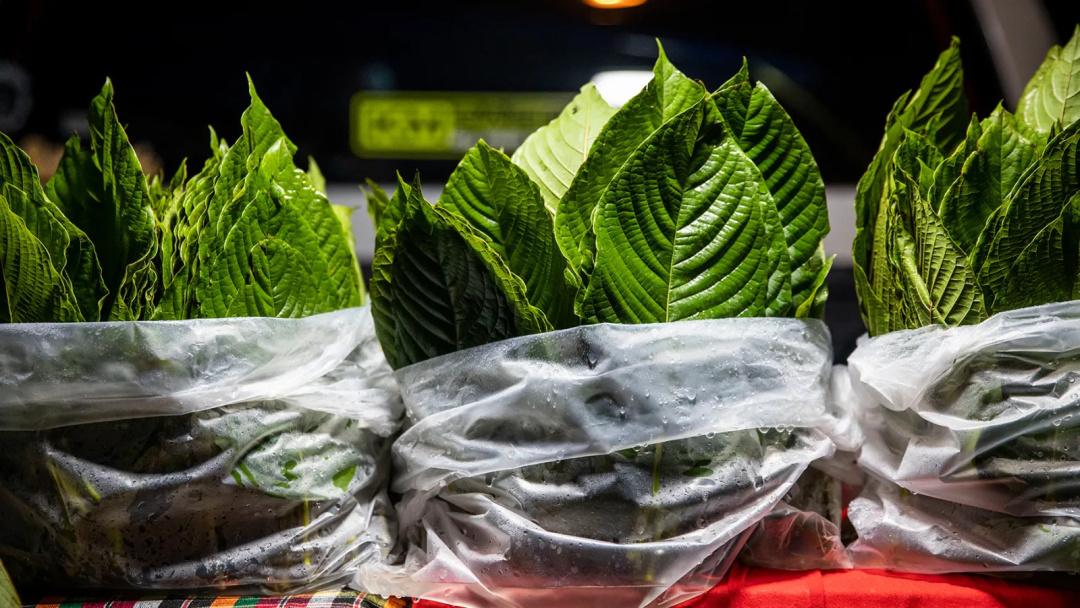
In a surprising twist that could only be described as a bureaucratic ballet, the Drug Enforcement Administration has issued a pair of Notices of Intent to temporarily ban kratom, the herbal remedy that has somehow managed to slip through the cracks of conventional medicine. Why the sudden interest, you ask? Clearly, the DEA is committed to ensuring that Americans remain as uncomfortable as possible. After all, nothing says "freedom" like government restrictions on herbal relief.
This latest move appears to be part of a larger strategy that prioritizes paperwork over pain management. In a briefing that could have been mistaken for a stand-up comedy routine, the DEA spokesperson noted that kratom is a “substance of concern,” citing its potential for addiction as a key factor in the ban. This is rich coming from an agency that oversees a pharmaceutical landscape littered with actual addictive substances. Perhaps they’re merely trying to keep things consistent by ensuring that the only relief available is the one that comes with a prescription and a side of side effects.
Still Beats Watergate:
Sponsor success. Continue reading:
As the agency gears up for this herbal crackdown, it’s hard not to notice the ironic timing. With a growing number of Americans turning to kratom to alleviate anxiety and even opioid withdrawal symptoms, the DEA is clearly looking to maintain its stranglehold on what constitutes acceptable pain relief. Why let individuals find alternative methods to cope when you can simply ban them and keep the pharmaceutical cash flowing?
In an effort to address the potential backlash from the public, the DEA also made it clear that they will be engaging with stakeholders. Stakeholders, of course, will likely include big pharmaceutical companies who have long viewed kratom as a threat to their bottom lines. The public, meanwhile, will be left sifting through the rubble of their herbal remedies, wondering why they’re still expected to suffer in silence.
Furthermore, as part of the ban’s rollout, there will be an extensive public education campaign. This campaign will presumably inform the public about the myriad reasons why they should avoid kratom—because nothing says “we care” quite like a government telling you what not to do with your own body. Expect catchy slogans that could have come straight from a 1950s anti-drug campaign: “Kratom: The Herbal Horror.”
In conclusion, the DEA’s decision to ban kratom serves as a reminder of the government’s unwavering commitment to regulate our comforts, even if it means increasing public discomfort. As we march forward into a future where herbal relief is relegated to the shadows, let us raise a glass (of prescription painkillers) in honor of the bureaucratic machinery that tirelessly works to keep us in a state of perpetual unease.