Lyft's $272 Million Settlement: A Class Action Against Misclassification
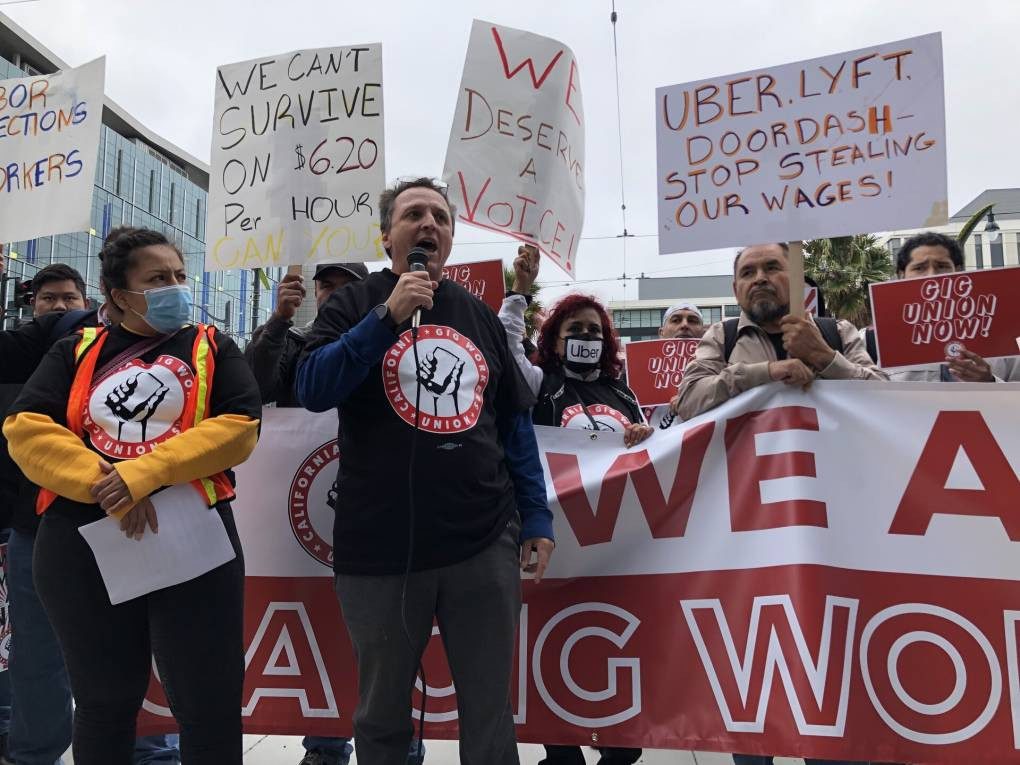
Lyft’s recent settlement of $272 million in a California lawsuit shines a glaring light on the gig economy's murky waters. The suit, which alleged that Lyft misclassified its drivers as independent contractors instead of employees from 2016 to 2020, represents a significant turn in a long-standing debate over labor rights and corporate responsibility. Attorney General Rob Bonta heralded this agreement as the largest worker misclassification settlement in the state’s history, a claim that would make even the most seasoned gig economy enthusiast pause and reconsider their driving app of choice.
In a statement, Bonta articulated the plight of drivers who, he claimed, have been underpaid while helping Lyft grow into a household name. "All the while Lyft grew into a multibillion-dollar company... it failed to protect those drivers and failed to pay them fairly," he said. The Attorney General’s words echo the frustrations of countless drivers, many of whom come from vulnerable communities, as they navigate the challenges of gig work without the safety net afforded to traditional employees.
Still Beats Watergate:
Sponsor success. Continue reading:
Under the terms of the settlement, at least $237 million of the payout is earmarked for the drivers—money Bonta insists will make a tangible difference in their lives. Alvaro Bolainez, vice president of Rideshare Drivers United, articulated the bittersweet nature of the victory: "This was rent that didn’t get paid, food that wasn’t there for hungry kids. We’ve waited six years for this." Although it provides a glimpse of justice, the settlement highlights the extensive harm suffered over the years by drivers who were left without crucial worker protections.
But while Lyft is putting this chapter behind it, Uber remains entrenched in its battle against similar allegations. The tech giant, which has consistently argued against the reclassification of its drivers, continues to fight in the courts, with Bonta referring to it as a "major violator" of worker rights in California. Despite the passage of Proposition 22, which allows companies to classify drivers as independent contractors, the legal battles are far from over.
The saga began with California's lawsuit in 2020 and has been fraught with tension and corporate resistance. Lyft initially sought to move the case into private arbitration, arguing that it had adequately classified its drivers. However, ongoing litigation, including a significant appeals court decision, kept the issue in the public eye. Now, with state courts having upheld the necessity of driver reclassification, the landscape of gig work in California is being reshaped.
The Ongoing Debate Over Driver Classification
The implications of this ruling extend beyond just Lyft and Uber. As the gig economy expands, the classification of workers becomes increasingly contentious. In a parallel case, New York Mayor Zohran Mamdani announced a hefty $131.5 million enforcement action against DoorDash for similar violations of minimum-pay rules regarding delivery workers who are classified as contractors. This trend indicates a more extensive scrutiny of how gig companies manage their labor force amidst evolving public sentiment and legal frameworks.
Lyft's settlement is a significant milestone in the fight for gig workers' rights, yet it also serves as a reminder of the ongoing struggle against the backdrop of corporate interests. As society grapples with the future of work and the rights of workers in rapidly changing industries, one thing is clear: the fight for fair treatment continues, and those at the forefront are the very drivers who have fueled these billion-dollar companies.
Your Takeaway
The outcome of this lawsuit matters not only for the drivers involved but also for all gig workers who hope for better protections in an industry often characterized by its precariousness. As these legal battles unfold, the potential for change in labor rights hangs in the balance. The resolution of such disputes promises a more equitable future—or it may simply reinforce the status quo in the ever-evolving landscape of gig work. Will this be the catalyst for lasting change, or will it fade into the background noise of corporate litigation? Only time will tell, but for now, Lyft's settlement is a significant step forward for the rights of workers in the gig economy.