Ex-Cabinet Officials Urge Complete Overhaul of Post-9/11 Bureaucracy, Because Why Not
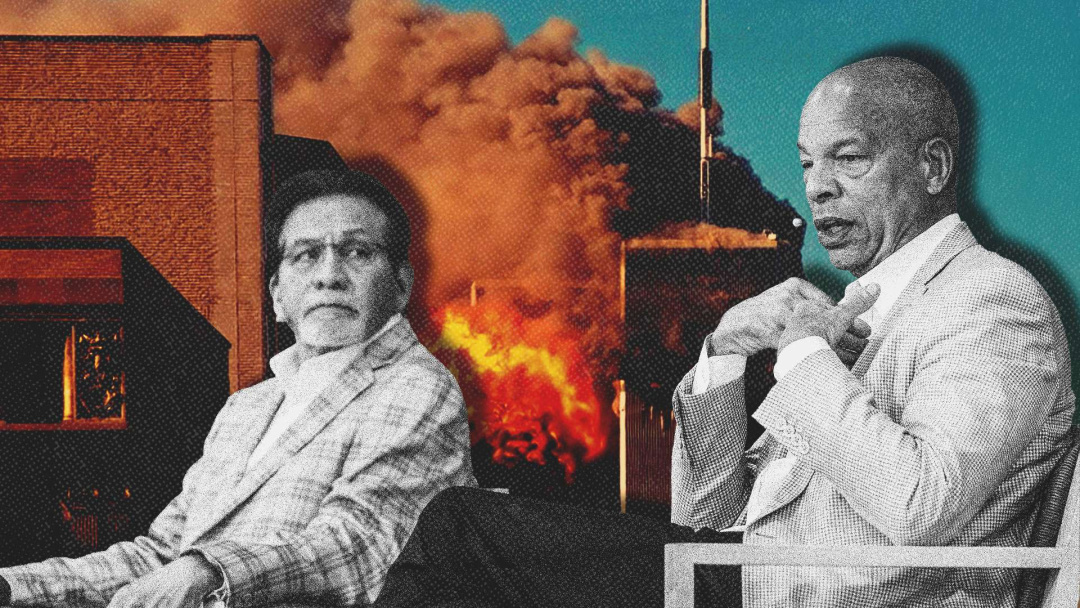
In a stunning display of bureaucratic déjà vu, former White House counsel Alberto Gonzales and ex-Homeland Security chief Jeh Johnson gathered at the Aspen Ideas Festival, where they collectively gasped at the realization that the 2001 Authorization for Use of Military Force (AUMF) is still alive and kicking. Who knew that a legal framework originally designed to combat the aftermath of 9/11 could evolve into a quasi-immortal regulatory hydra? Apparently, these two titans of terror response are just as shocked as we are that their brainchild is being wielded like a blunt instrument in contexts far removed from its original intent.
Gonzales, who once sat at the helm of constitutional creativity, mused about how they never imagined the AUMF would outlive its usefulness. "We thought it would just be a temporary fix, like a Band-Aid on a bullet wound," he mused, conveniently forgetting that this same Band-Aid has morphed into a full-body cast for civil liberties. Gonzales, with a hint of nostalgia, suggested it might be time to let the AUMF retire peacefully, perhaps with a nice severance package, and return to Congress for a fresh authorization. After all, democracy is so much more fun when it requires a bit of paperwork.
Still Beats Watergate:
Sponsor success. Continue reading:
Johnson chimed in, noting that the pendulum of liberty and security swings back and forth like a poorly calibrated grandfather clock, and that the current state of affairs is nothing short of a manufactured panic. He implied that they might have been the architects of this very construction, yet somehow, they’re just now realizing that it’s a bit out of date. It’s as if they built a luxury condo in a flood zone but are just now noticing that the water’s rising.
As the conversation shifted to Guantanamo Bay, Gonzales defended the facility as a short-term solution to a long-term problem, a clever way to say, “Oops, my bad.” He then went on to express a kind of bureaucratic pride in the fact that the camp is still operational, despite the fact that many detainees have been waiting for years without trial. The irony of this statement is sweet enough to make a lawyer weep.
Johnson, on the other hand, admitted that keeping the Guantanamo system in place was a mistake—but only because he didn’t foresee that it would become a permanent fixture of American governance. Perhaps he was too busy enjoying the perks of power to notice that people are still languishing there without due process.
In a moment of shared clarity, both men reached a consensus: it might be time to scrap the entire post-9/11 legal framework and start fresh. Because after decades of complicity in a system they now deem outdated, what could possibly go wrong with a complete overhaul? If only they had thought of that years ago. The whole situation raises a profound question: When it comes to government bureaucracy, is learning from past mistakes merely a quaint notion? Or is it just an excuse to avoid accountability? One thing is for sure: if these two are waving the white flag, it's time for the rest of us to buckle up for the next round of bureaucratic nonsense, because the show must go on, and the audience is always left wondering who will get the last laugh.