Homan’s Defense of ICE: A Lesson in Selective Education
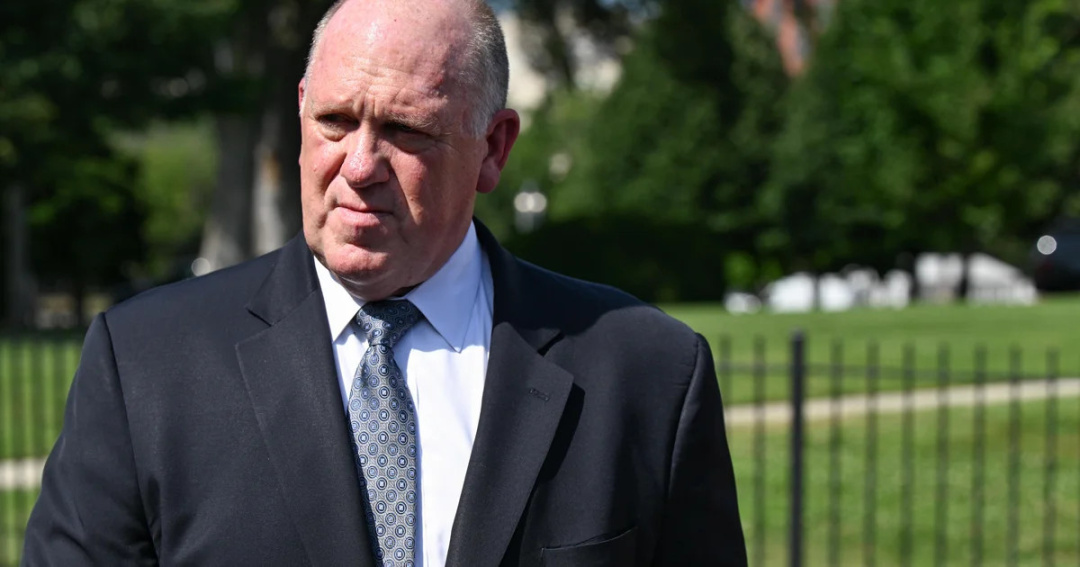
As discontent brews among Republican lawmakers over the Trump administration's aggressive immigration crackdown, White House border czar Tom Homan has found himself in the crosshairs of criticism. With eyebrows raised by GOP Rep. Maria Elvira Salazar of Florida, who recently aired a campaign ad warning that Hispanic voters who once supported Trump feel "betrayed," Homan staunchly defended the administration’s actions, suggesting that critics should start by educating themselves about Immigration and Customs Enforcement (ICE).
Salazar’s critique points to the alarming statistics of ICE detainees, many of whom reportedly lack any criminal records. This has set off alarm bells not just among Democrats but within the GOP itself, as even Sen. Jim Justice of West Virginia has expressed concern over the tactics being employed. In the face of these criticisms, Homan replied, "Give me an example of where we went too far. That's a pretty bold statement to make." Clearly, he is not in a mood for self-reflection, instead urging critics to engage with the facts of ICE's operations.
Still Beats Watergate:
Sponsor success. Continue reading:
Homan emphasized that the administration continues to prioritize deporting individuals considered public safety threats, while also reminding the public of the stark reality: anyone in the U.S. illegally is technically subject to deportation by federal law. "If you're in the country illegally, you got a problem. You shouldn't be here," he declared, alluding to a rather black-and-white view of legality that ignores the complexities of immigration and asylum processes. Homan assured that everyone arrested has the opportunity to plead their case before a judge, though the practicality of that assurance remains questionable.
Striking a defensive posture, Homan has attributed much of the backlash to a climate of hatred aimed at the administration, perhaps forgetting that much of this sentiment stems from the very policies he defends. He pointed to historical precedents, noting that ICE's deportation figures soared under the Obama administration during his tenure at the agency, as if to say, "This is not a new show, folks!"
Escalating Concerns Over ICE Tactics
However, the Trump administration has faced heightened scrutiny not just for the number of arrests but for the methods employed, including troubling incidents of shootings during ICE operations that have resulted in the deaths of multiple individuals, including citizens. Homan acknowledged the tragedy of these incidents while maintaining his distance from any ongoing investigations, saying, "I don't want to see any tragedies happen. I wish Renee Good was alive today. I wish that incident [didn't] happen, but it happened, and it's being investigated."
The Broader Implications of Homan's Defense
As these events unfold, the larger implications of Homan's statements and the administration's policies become increasingly apparent. Immigrant rights advocates and concerned citizens alike are left to ponder the real human impact of policies that prioritize law and order over compassion and understanding. With trust in governmental institutions already wavering, the pushback from within the GOP signals a potential fracture that could change the landscape of immigration policy discussions moving forward.
In a political theater where the lines are drawn sharply between law enforcement and community well-being, it seems that Homan's call for education may require a broader interpretation—one that encompasses the voices of those affected by ICE's actions and the intricacies of the immigration system itself. As the dialogue progresses, it remains to be seen how the administration will respond to both internal dissent and external pressure, and whether this will indeed lead to a more informed conversation about immigration in America.