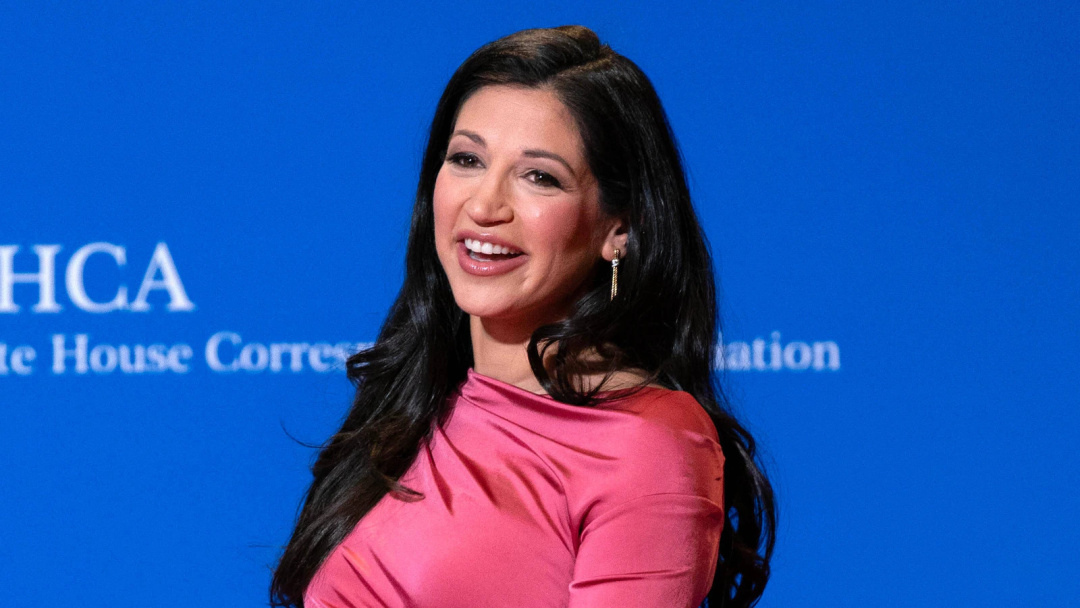
Stalking Case of Trump Aide Katie Miller Raises Questions of Safety
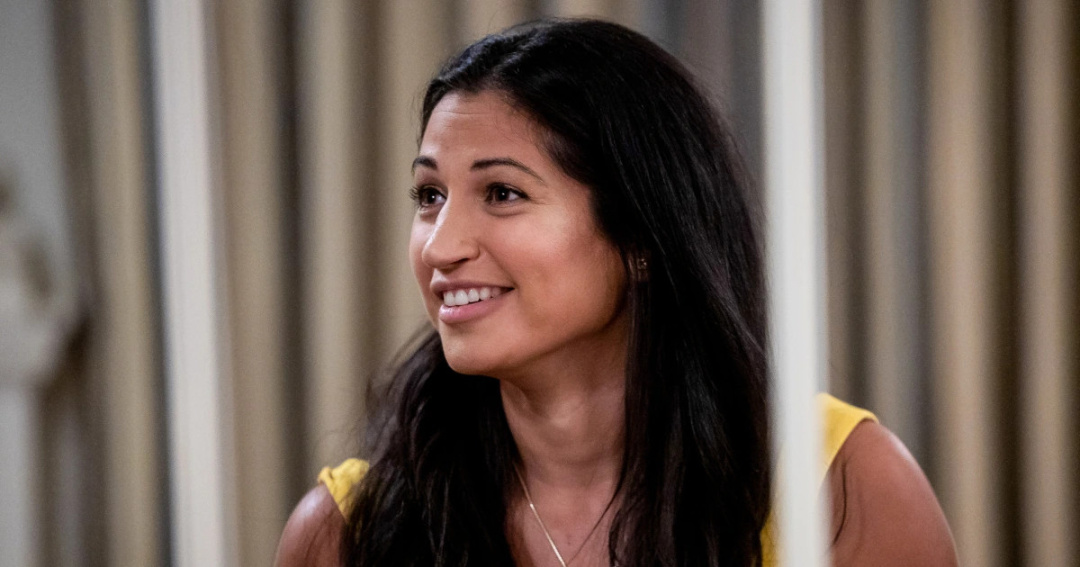
John Anthony Proia III, a Massachusetts resident, found himself in a legal quagmire after being arrested by the FBI on charges of stalking Katie Miller, an ex-advisor in the Trump administration. The Justice Department revealed that Proia allegedly bombarded Miller with over 40 communications filled with alarming messages across a span of less than two months.
Miller, who doubles as a popular conservative podcaster, is married to Stephen Miller, a high-profile federal government employee. Although the Justice Department refrained from naming Miller in its release, an insider confirmed her identity to NBC News. In a statement delivered on X, she expressed gratitude to law enforcement for their swift actions in ensuring her family's safety, an endorsement of the investigation led by Attorney General Todd Blanche and U.S. Attorney Leah Foley.
Still Beats Watergate:
Sponsor success. Continue reading:
Proia's indictment by a federal grand jury in Boston on Thursday stemmed from harrowing allegations. Court documents allege that his relentless communication included calls, texts, and voicemails, some made late at night and often employing a threatening tone. Disturbingly, Proia also reached out to Miller's family, sending messages that were both derogatory and menacing.
The charges surface amidst reports of internal turmoil within the FBI, where two senior officials were recently demoted for inefficiencies related to the ongoing investigation into the threats against Miller. Darren Cox, the FBI’s Washington Field Office's assistant director, characterized the personnel changes as a routine evaluation of mission needs rather than a direct response to the public outcry over the stalking case.
Political Implications and Public Safety Concerns
This case illuminates the increasingly perilous intersection of politics and personal safety. As public figures like Miller face harassment, the question arises: how effective are law enforcement agencies in addressing threats against individuals in the political sphere? The FBI's actions indicate a recognition of the dangers faced by those who publicly engage in political discourse, yet the demotions within the Bureau raise eyebrows regarding its overall effectiveness.
Miller's case is not an isolated incident; it reflects a broader pattern of harassment against political figures, especially those in the conservative realm, where public and private personas often collide. As Proia awaits trial, the attention on his actions serves as a reminder of the volatile nature of contemporary political engagement.
Your Takeaway
In a landscape where political discourse can ignite not just debate but danger, the case of John Anthony Proia III serves as a stark reminder of the consequences of unchecked behavior. As the legal proceedings unfold, they will undoubtedly shape the conversation around safety protocols for public figures and the responsibilities of law enforcement to protect them. The implications extend beyond legal ramifications to the ethical obligations of society to safeguard those who choose to engage in public service.