Cyberstalking Charges Rock the Trump Era: Katie Miller Targeted
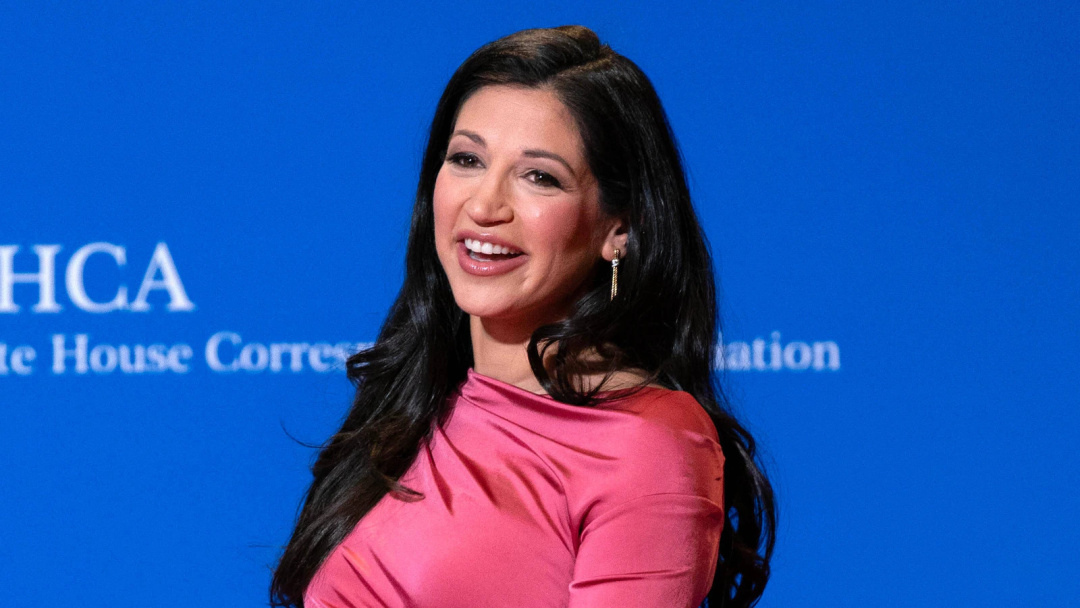
In an alarming turn of events, a Massachusetts man named John Anthony Proia III has been arrested and charged with cyberstalking Katie Miller, a former Trump administration official and current conservative podcaster. The charges reveal a disturbing pattern of harassment, where Proia allegedly bombarded Miller with over 40 menacing communications, including calls and messages that left her and her family feeling threatened.
Proia's aggressive tactics did not stop with Miller; he reportedly extended his reach to her family, sending distressing messages to her parents as well. This calculated harassment raises serious questions about the lengths some individuals will go to silence or intimidate voices in the political arena. Though Proia's attorney has not yet commented publicly, the case sheds light on the pervasive issue of online harassment that affects many public figures, particularly women in politics.
Still Beats Watergate:
Sponsor success. Continue reading:
The investigation into Proia's actions has stirred significant upheaval within the FBI’s Washington field office. According to insiders, two high-ranking counterterrorism supervisors were reassigned amid dissatisfaction with how the investigation was managed. This shake-up has prompted speculation about the effectiveness of the FBI's response to threats against public officials, especially given the sensitive nature of the allegations against Proia. As U.S. Attorney Leah Foley stated, anyone using technology to harass others should expect to face serious legal consequences, suggesting a commitment to hold offenders accountable despite the challenges involved.
Darren Cox, the assistant director in charge of the Washington office, has publicly dismissed claims that the reassignments were influenced by external pressures or directives. Instead, he emphasized that these decisions were based on internal evaluations of mission needs, illustrating the complexities of organizational dynamics within federal law enforcement agencies.
Broader Societal Concerns Emerge
As the case unfolds, it highlights not just the personal implications for Miller but also broader societal issues related to cyberstalking and the harassment of public figures. In a world where political tensions run high, the safety of individuals engaged in political discourse has become a pressing concern, warranting close attention from law enforcement and the public alike.
Implications for Public Discourse
As this case develops, it serves as a stark reminder of the intersection between personal safety and political expression. The potential consequences for those who resort to intimidation tactics can be severe, reflecting an urgent need for ongoing discourse about the safety of public officials and the responsibilities that accompany their positions. Ultimately, the outcome of this case may set significant precedents regarding how authorities address and combat cyberstalking in an increasingly digital world.
While the legal proceedings will determine the fate of Proia, the implications of this case extend far beyond the courtroom. It reflects the ongoing battle against harassment in the political sphere and the challenges faced by individuals like Katie Miller, who navigate the treacherous waters of public life in the Trump era. As citizens, it's crucial to remain vigilant and supportive of those who stand at the forefront of political discourse, safeguarding their right to express their views without fear of reprisal.