Operation Allies Welcome Faces Alarming 40% Vetting Failure Rate
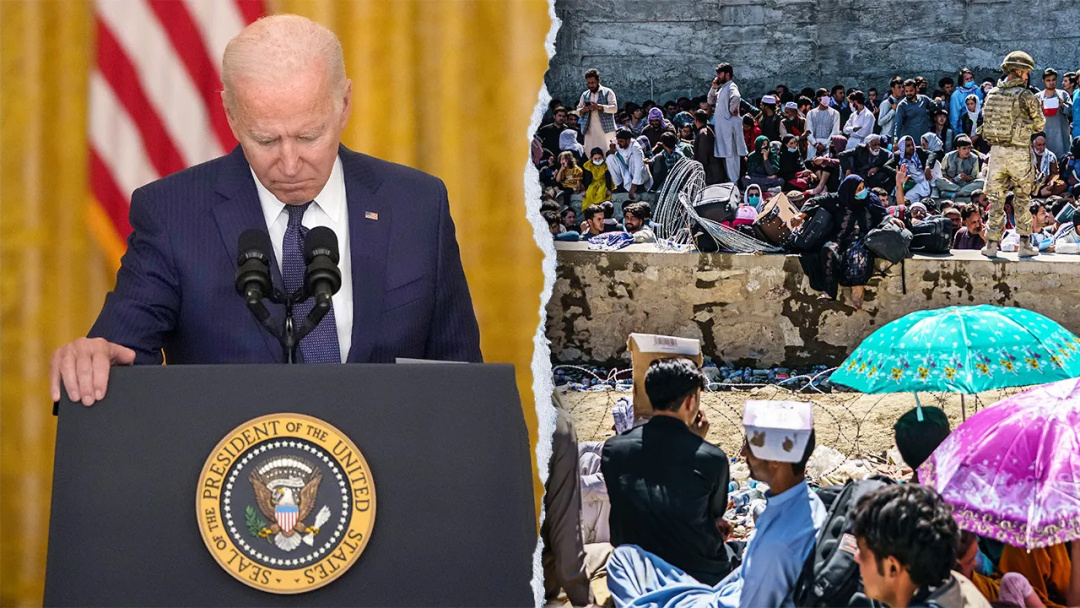
In a shocking exposé that would make a great plot twist for a political thriller, the Department of Homeland Security (DHS) Office of Inspector General has unveiled a staggering 40% vetting failure rate in asylum applications for Afghan nationals under the Biden administration's Operation Allies Welcome. The findings suggest that the only thing scarier than the Taliban might just be a bureaucratic bungle that allows questionable characters to slip through the cracks of our immigration system.
The report, released on September 23, reviewed 678 asylum applications and found that in 303 cases, critical aliases were missing. There were also 23 missing security checks among more than 150 additional documentation issues. It’s almost as if someone thought they were playing a game of immigration bingo, where the cards are filled with unchecked boxes instead of legitimate applicants.
Still Beats Watergate:
Sponsor success. Continue reading:
The alarm bells didn’t just ring—they blared—especially as this revelation comes on the heels of several high-profile arrests of Afghan nationals admitted under the program. Who knew that ‘Operation Allies Welcome’ would turn into a reality show featuring former ‘allies’ now implicated in terrorism and other crimes? The irony is rich; one might think that vetting refugees from a country recently taken over by a terrorist organization could use a little extra care and scrutiny.
DHS, in a bid to dodge the fallout, claimed that the report highlights the “dangerous mismanagement” of Operation Allies Welcome, suggesting that the urgency to process these applications quickly led to a reckless disregard for thoroughness. After all, a lawsuit settlement mandating that 90% of asylum applications be adjudicated within 150 days doesn’t exactly inspire a deep dive into extensive background checks. It's more like a race against time—set your stopwatch, folks!
For critics like Mark Krikorian from the conservative Center for Immigration Studies, this report doesn't just confirm fears; it slams them into the wall like a contestant in a political demolition derby. He warns that the fact that 40% of these applications are riddled with errors raises the question of just how committed we are to ensuring that the people entering the country aren't bringing along unwanted baggage, especially when one applicant allegedly had 124 known aliases. And here we were thinking that having multiple names was just a quirk of celebrity culture.
In a twist you simply can’t make up, the inspector general’s report also highlighted cases involving potential terrorism-related concerns, with crucial paperwork either missing or incomplete. One can only imagine the sighs of relief when those involved realized paperwork was the only thing standing between a national security nightmare and laughter on late-night television.
Recommendations for a Safer Vetting Process
As the DHS inspector general made several recommendations to improve the vetting process, including better documentation of aliases and enhanced oversight, one has to wonder if these suggestions will be anything more than another box to check off on a long list of necessary reforms.
With all the commotion surrounding the Afghan refugee program, one thing is clear: the stakes are high, and the implications of a slip-up are nothing short of catastrophic. As we wait to see how the DHS plans to implement these recommendations, let’s hope they remember that keeping America safe isn't just about getting people in the door, but also ensuring we know who is coming in—and why.
The ramifications of these findings extend far beyond bureaucratic inefficiencies; they touch the very core of national security. If the vetting process can be so easily compromised, it begs the question: how many more holes exist in the system? The urgency to welcome those fleeing danger in Afghanistan has turned into a potential PR nightmare as it becomes increasingly clear that speed may have come at the cost of safety.
Your Takeaway
While the Biden administration may tout the operation as a humanitarian success, this report exposes the glaring risks that could undermine public trust in the entire asylum process. As we look forward, it will be crucial for the administration and security agencies to ensure that compassion doesn't cloud the critical need for stringent vetting processes. After all, it’s one thing to help those in need and another to inadvertently invite trouble into our midst.
For anyone following the twists and turns of immigration policy, this report serves as a stark reminder of the critical balance between compassion and caution. As the Biden administration navigates the complexities of Operation Allies Welcome, the imperative remains clear: let’s not forget the basics of national security in our rush to be gracious hosts. As the country grapples with the fallout, it may just be time to rethink how we approach vetting in the name of humanity and security.