Trump's $54 Billion Gas Pipeline Pitch: A Political Lifeline in Alaska
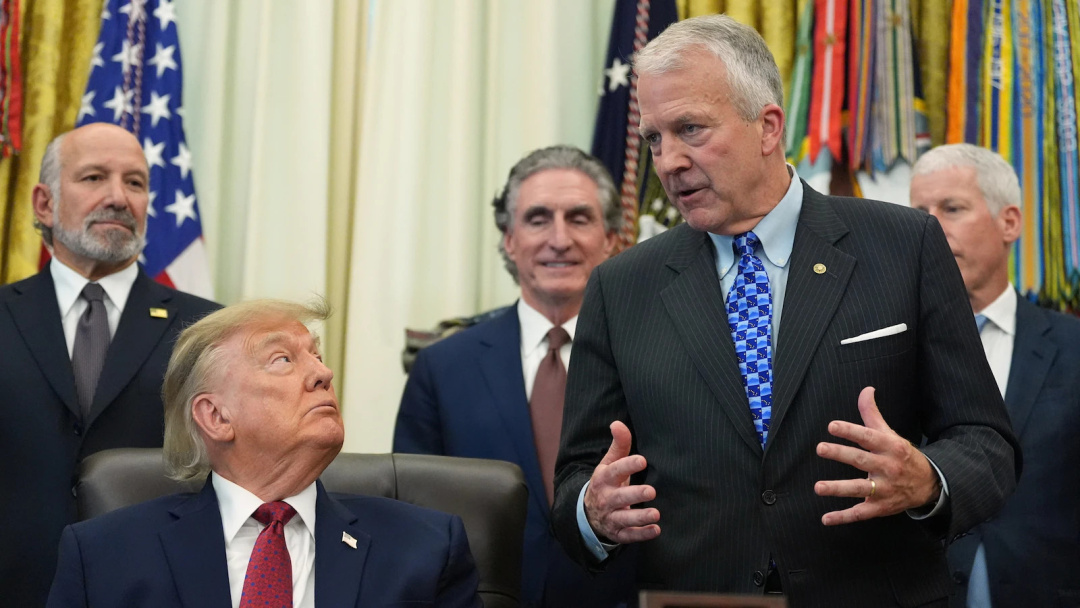
In a dramatic announcement from the Oval Office, President Donald Trump proclaimed that South Korea is poised to invest about $54 billion in a natural gas project in Alaska. This project, which involves an 807-mile pipeline linking the North Slope of Alaska to a liquefied natural gas export terminal, was presented with fanfare and flanked by Senator Dan Sullivan, a Republican who is fighting to retain his seat in a tight race.
While Trump and Sullivan touted the project as a done deal, the South Korean perspective remained cautious. Officials from South Korea's government indicated that they would need to thoroughly evaluate the project's commercial viability before making any commitments. Han Jeoungae, secretary-general of South Korea's ruling Democratic Party, emphasized that Trump's enthusiastic comments aimed to project a strong U.S. stance, but the final decision would depend on domestic legal processes and economic considerations.
Still Beats Watergate:
Sponsor success. Continue reading:
This is not the first time Trump has leveraged significant project announcements to rally support for Senate candidates in battleground states. Just a few days prior, he unveiled plans for a $15 billion steel plant in Iowa, another move perceived as a strategic effort to invigorate Republican campaigns ahead of the midterm elections. With Trump's approval ratings waning, particularly regarding his handling of economic issues, these announcements may reflect an attempt to regain momentum and appeal to voters.
Sullivan was quick to express gratitude for Trump's involvement, asserting that the natural gas project is crucial for Alaska’s economic future. However, the dynamics of this push are complicated by the reality that many voters are disillusioned with the current administration’s handling of the economy, as indicated by polls showing a significant percentage of Americans view the economic situation as poor.
As Trump embarks on a campaign trail to bolster his party's chances, his reliance on showcasing grand projects raises questions about the reality of these initiatives versus the political theater surrounding them. With competitive races in states like Alaska and Iowa, where Democrats are targeting key Senate seats, the stakes are high for both parties.
The Political Stakes of Big Announcements
Amidst the ambitious promises, the underlying tension of political necessity looms large. Trump's strategy to use infrastructure projects as a means to galvanize support is a gamble that reflects the urgency of the upcoming elections. The push for these projects underscores the precarious balance Republicans must strike to maintain their foothold in Congress. As they brace for possible losses, the spotlight remains on how effectively these big promises can translate into tangible political gains.
Critics of Trump’s approach suggest that while these announcements may play well in the media and among supporters, they may not adequately address the underlying issues voters care about, such as economic stability and job creation. The reality is that the feasibility of these grand projects often comes with complexities, as demonstrated by the cautious stance from South Korean officials.
Your Takeaway
As the political landscape shifts and the midterm elections draw near, the interplay between major project announcements and election strategies is pivotal. The challenge for Trump and his allies will be to navigate the gap between promise and reality, ensuring that these high-stakes investments resonate with voters who are increasingly skeptical of political rhetoric. The unfolding narrative around the Alaska natural gas project will undoubtedly continue to play a crucial role in shaping the outcome of key Senate races.