California's Billionaire Tax Battle: A Looming Political Showdown
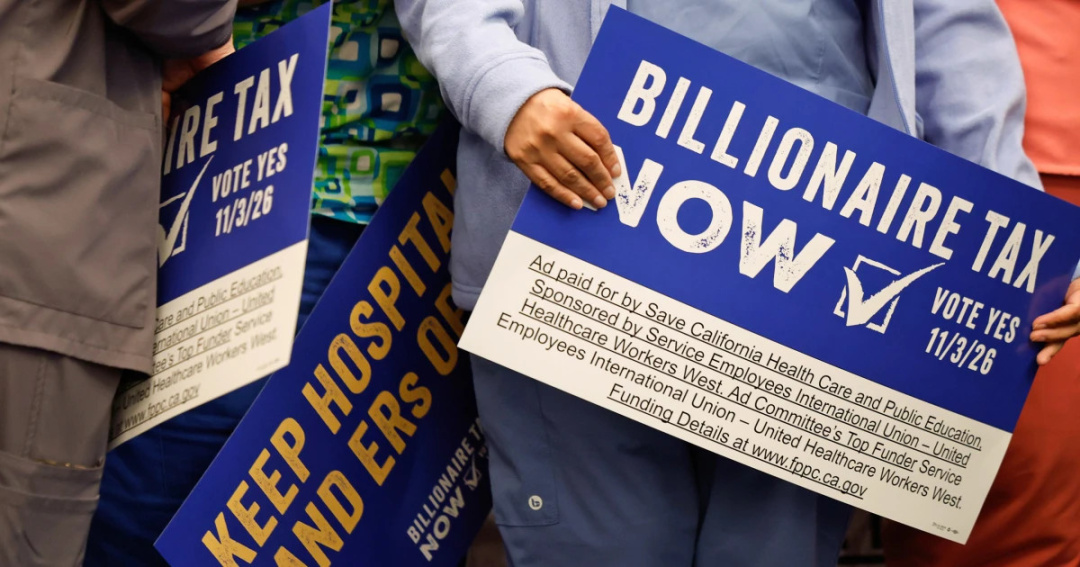
As California prepares for a potentially landmark election, all eyes are on a contentious billionaire tax proposal that could reshape the political landscape. Dubbed Proposition 40, this measure aims to impose a one-time 5% tax on the state’s billionaires. While advocates tout it as a progressive step forward, opposition from powerful tech figures has made the campaign one of the most expensive in the nation, with around $100 million spent on advertising already.
The dynamics of the Democratic Party are at stake, with prominent figures weighing in on either side. Former Health Secretary Xavier Becerra, a clear favorite for the governorship, stands against the measure. Meanwhile, progressive voices like Tom Steyer and Rep. Ro Khanna are rallying support for it, reflecting the growing factional divides within the party. Even as California Democrats navigate this intraparty conflict, they must also consider the broader implications for the national stage, especially with the 2028 presidential primaries on the horizon.
Still Beats Watergate:
Sponsor success. Continue reading:
Polls indicate a split among the electorate, with 48% of likely voters supporting the tax while 38% oppose it. Notably, among Democrats, support swells to 67%. This split reveals a party grappling with internal divisions, particularly as heavyweights like former Vice President Kamala Harris and Nancy Pelosi have remained silent on their positions. If the measure passes, it could energize progressives and signal a shift in party strategy as they head into future elections.
The National Stakes of California's Decision
The repercussions of this tax measure extend far beyond California’s borders. A successful implementation could embolden progressive candidates nationwide, highlighting a populist trend that resonates with voters seeking structural change. Conversely, failure could embolden moderate Democrats and serve as a cautionary tale against overreaching tax policies. As the party navigates these turbulent waters, the outcomes of this election may well serve as a litmus test for future policy directions.
Compounding the uncertainty around this tax debate is the backdrop of another pressing issue: the regulation of artificial intelligence. President Trump recently attempted to placate concerns over AI by signing an executive order to rebrand it as "superintelligence," suggesting a whimsical approach to a serious matter. This lighthearted treatment of burgeoning technology raises eyebrows, especially as tech leaders grapple with existential risks tied to AI usage. Trump's fixation on terminology might distract from substantive regulatory discussions, leaving the public wondering whether their safety is in capable hands.
With California's billionaire tax and AI regulation on the national stage, 2024 candidates must navigate a complex political landscape fraught with ideological divides. The outcomes of these debates will likely shape not only the immediate electoral climate but also the future of the Democratic Party and its approach to governance.
Your Takeaway
As we watch the California election unfold, the implications stretch far beyond state lines, offering insight into the future of the Democratic Party. With key figures taking sides and national attention focused on the results, this tax proposal could define the party's platform as it heads into a crucial election cycle. The intersection of fiscal policy and technological concerns signals a new era in political discourse, one that will challenge candidates to address how they aim to govern in a rapidly changing environment.