Trump's Hilarious Rebranding of AI As 'Super Intelligence' Leaves Tech Giants in Stitches
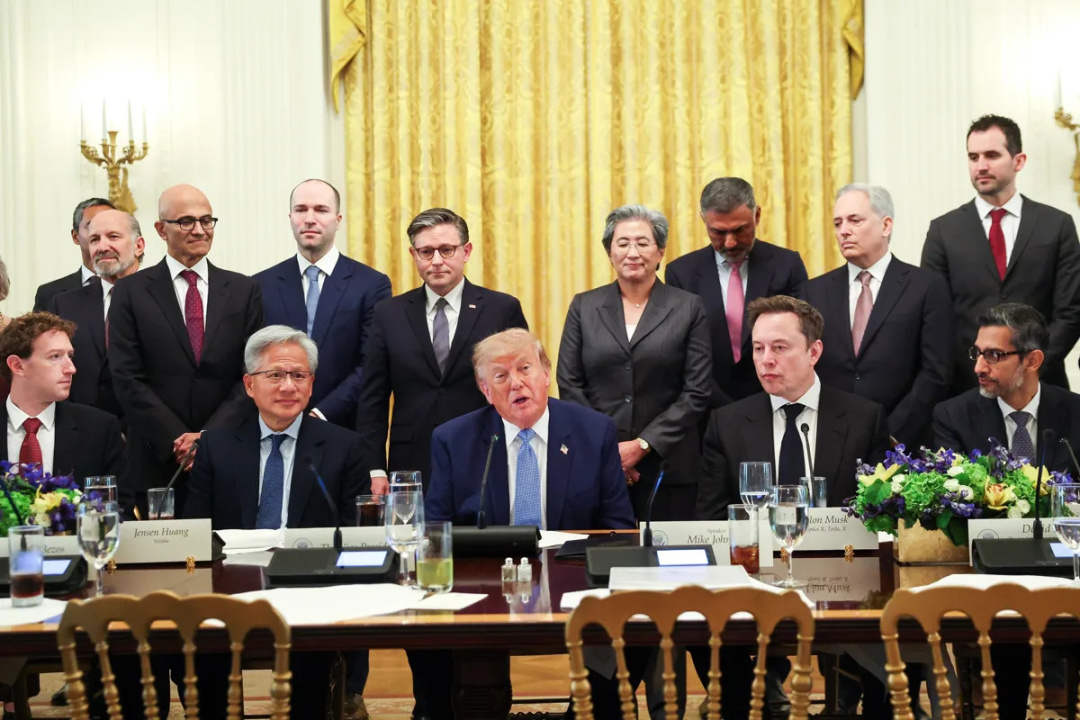
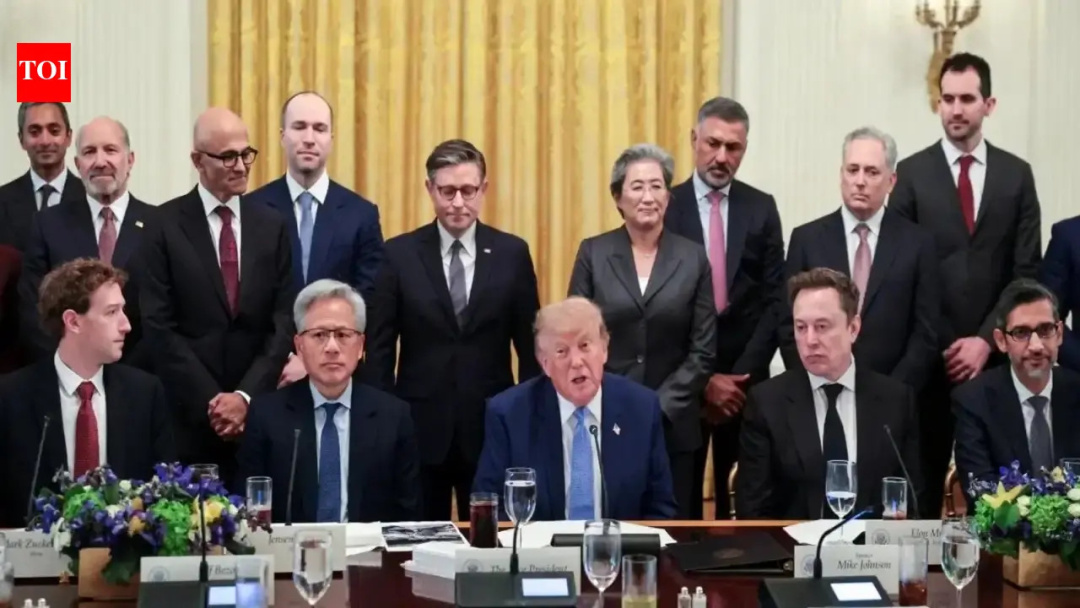
In what can only be described as a monumental leap into the absurd, President Trump has rebranded artificial intelligence as 'Super Intelligence' at a recent White House event, leaving both experts and tech moguls scratching their heads—and laughing. This innovative rebranding came to life during a luncheon aptly named the 'Super Intelligence Luncheon,' attended by some of the biggest names in tech, including Elon Musk, Mark Zuckerberg, and Sundar Pichai. However, one notable absence was that of Apple, which curiously didn’t show up despite its former CEO Tim Cook's frequent appearances at Trump’s tech summits.
Not content with just the name change, Trump has signed a voluntary agreement with these tech titans, now officially dubbed the White House Accord on Super Intelligence. The document, which is touted as 'morally binding' for its signatories, outlines four layers of safety controls for AI development—though critics are quick to point out that it lacks any enforcement mechanisms, penalties, or even a timeline for implementation. This might leave one wondering just how 'super' this intelligence really is.
Still Beats Watergate:
Sponsor success. Continue reading:
The accord doesn’t just stop at lofty promises; it includes a baffling typo referring to Trump as the 'President of the Unites States,' which might just be the perfect metaphor for this whole endeavor. The subtitle, 'Joint Commitment on Frontier Responsibilities,' suggests a sense of urgency that contrasts sharply with the reality of self-policing and vague assurances. Amidst these grand declarations, the only concrete action appears to be a commitment to meet regularly and set shared standards—an idea that sounds suspiciously like a corporate retreat.
While Trump’s polling efforts to determine the best name for AI—where 'Super Intelligence' triumphed over other contenders like 'Superior Intelligence'—might seem trivial, they do reflect an alarming trend of governance where branding takes precedence over substance. This rebranding effort can confuse the public, as AI research often refers to a different concept of 'superintelligence' than the generative AI products we see rolling out today. University of Chicago marketing professor Jean-Pierre Dubé aptly noted that such brand confusion could keep the term from gaining traction.
Simplifying AI: A Misguided Approach
As the tech world grapples with a much broader and more complex definition of AI, from spam filters to advanced chatbots, Trump's insistence on simplifying it to 'Super Intelligence' reeks of a shallow understanding of the technology at hand. It seems that instead of addressing the significant ethical and safety concerns inherent in AI technology, the administration would rather slap a shiny new label on it and call it a day.
The Real Challenge of AI Regulation
As the laughter subsides and the real work of AI regulation begins, one can't help but wonder how effective this accord will ultimately be. With no concrete actions tied to its impressive title, it’s hard to see how this 'commitment' will change the landscape of AI safety. The tech giants involved are now set to police themselves, with promises of internal monitoring and independent audits—if they choose to follow through, that is. But amidst ongoing concerns over algorithmic biases and AI's impact on society, the lack of government intervention might prove detrimental.
In the end, the White House Accord on Super Intelligence serves as a satirical commentary on the state of governance in a tech-heavy society. Instead of tackling the real issues head-on, the administration opts for grandeur and theatrics, prioritizing branding over accountability. So as we watch this play unfold, let’s raise our glasses to the 'Super Intelligence'—may it live up to its name, even if its inception is riddled with confusion and irony.