Karoline Leavitt Plans Tell-All: What Would She Reveal?
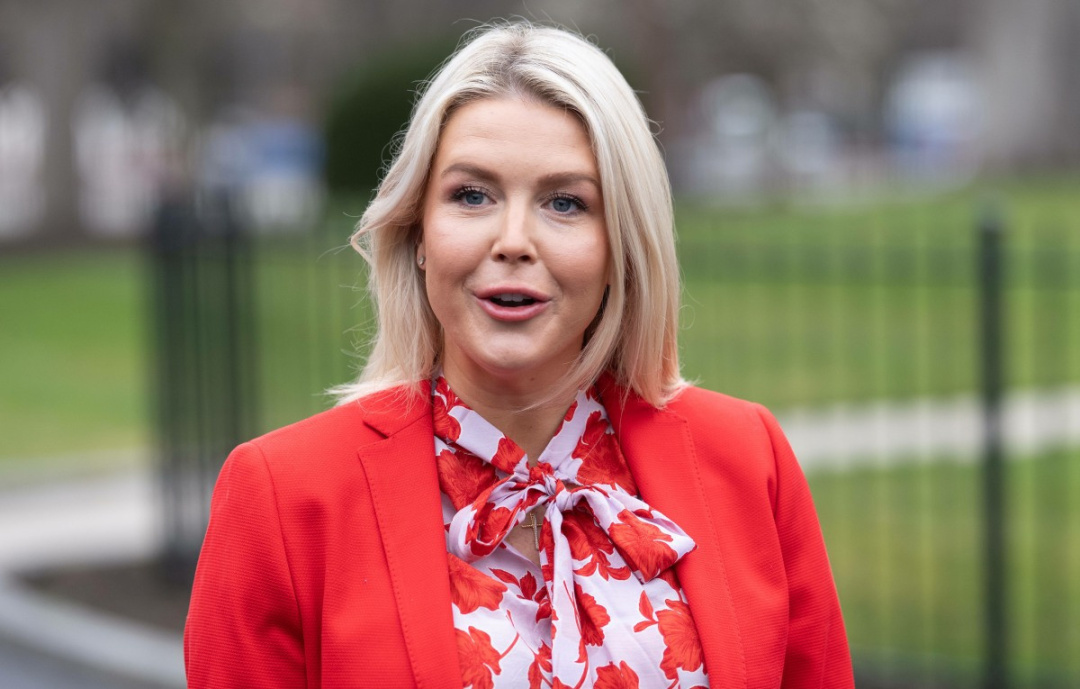
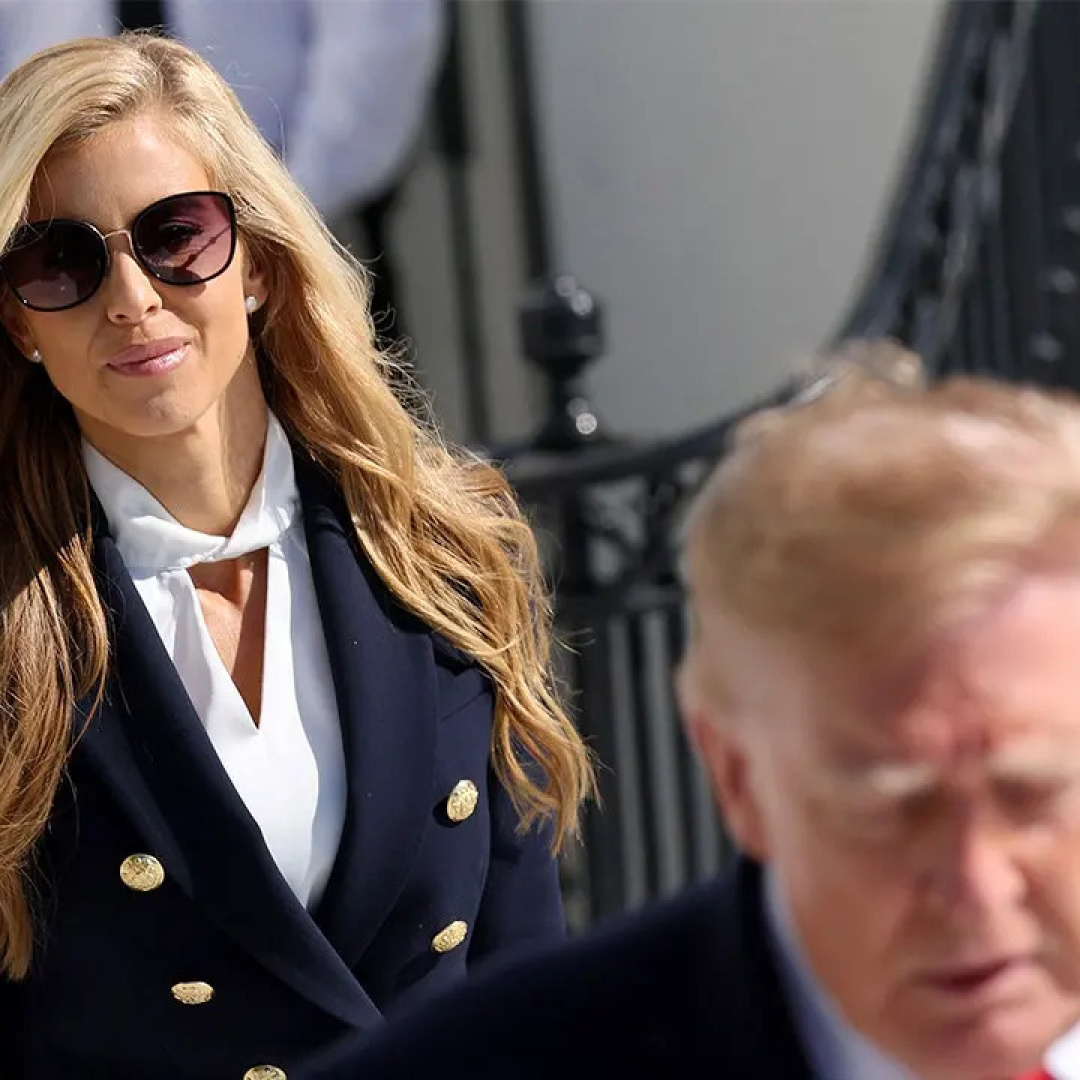
Just when you thought the parade of Trump-related memoirs had reached a saturation point, Karoline Leavitt is set to jump into the fray with a tell-all book about her time as Donald Trump’s press secretary. It’s almost hard to believe she only left the White House in August; the months feel longer when you’re distilling the chaos of an administration that felt like a reality show gone wrong. Leavitt’s upcoming literary endeavor is being framed as a chance to witness the behind-the-scenes antics of the Trump era, but it raises a critical question: is there anything left that we haven’t already heard?
What could possibly be new in a narrative that’s been retold from so many angles? The public is inundated with claims of Trump’s unique ability to command the room—or at least the spoils of his presidency. Leavitt's book might serve as a vehicle for her to rebrand herself, attempting to paint a picture of loyalty and strength that runs contrary to the avalanche of criticism surrounding her former boss. However, the prevailing sentiment seems to lean towards skepticism; will her stories truly be revelatory, or are they merely retreads of the same tired tales that have been dissected ad nauseam?
Still Beats Watergate:
Sponsor success. Continue reading:
Many critics have pointed out that Leavitt was part of an administration that thrived on misinformation, and her attempt to offer insights now feels like an exercise in futility. The very notion of a tell-all assumes there are secrets to unveil, yet much of Trump’s presidency felt like an open book of turmoil, scandal, and outrage.
While some might find morbid curiosity in what she has to say, the broader audience appears less enthused. It’s hard to imagine readers flocking to purchase a recounting that’s likely to glorify the administration’s dubious achievements while glossing over its many failures.
Leavitt's Memoir: A Balancing Act
Leavitt’s challenge is clear: she must navigate the treacherous waters of public sentiment toward Trump and his aides. As she prepares to unleash her memoir upon the world, the anticipation mixes with cynicism. Will this book be the final nail in the coffin of the Trump saga, or merely another chapter in an ongoing narrative that refuses to close?
How Will the Public Respond?
The response to such narratives often hinges on how deeply entrenched the author was in the scandal they recount. If Leavitt intends to sell herself as a savvy insider, she risks alienating those who view her as just another cog in Trump’s misinformation machine. The appetite for inside stories from a White House brimming with dysfunction is waning, and many feel that these political tell-alls usually serve more to enrich the author than to enlighten the reader. It remains to be seen if Leavitt can carve out a niche that offers anything other than the escapades of a reality TV president, but one thing is certain: the public is watching with a critical eye.
As is often the case in political circles, the timing of Leavitt’s memoir raises eyebrows. With the GOP redefining its narrative in the post-Trump era, will there still be room for recollections that reinforce the administration’s most controversial moments? As Leavitt gears up to pen her experiences, one can only wonder whether the book will resonate or simply add to the cacophony of voices trying to make sense of an unprecedented moment in American politics.