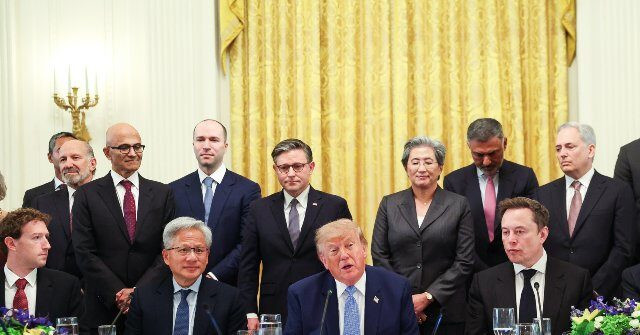
Trump Hosts AI Luncheon with Tech Titans Amid Regulatory Tensions
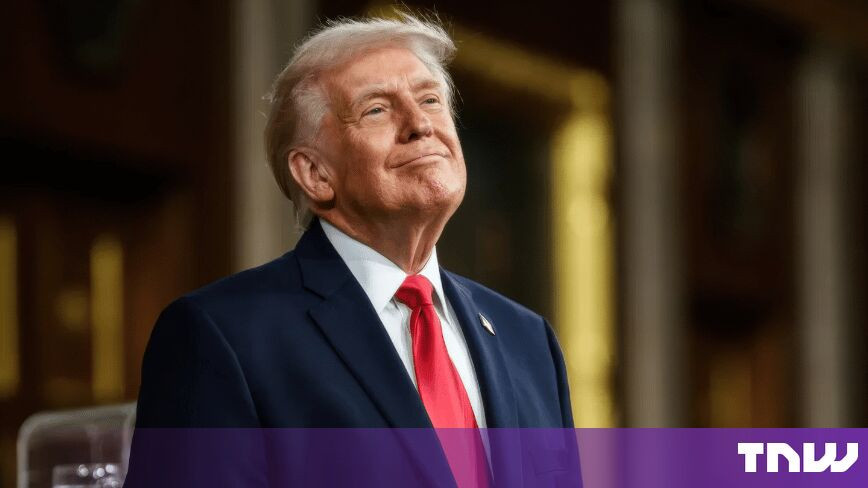
In a move that has sparked both intrigue and skepticism, President Donald Trump is rolling out the red carpet for an elite gathering of tech titans at the White House to discuss artificial intelligence. On Tuesday, a guest list featuring the likes of Elon Musk, Jeff Bezos, and Mark Zuckerberg will convene for a lunch on AI—a topic that has become the center of controversy and anxiety in the national discourse.
The guest list, as reported by Axios, boasts thirty-one attendees, including luminaries of the tech world such as Jensen Huang from Nvidia, Satya Nadella from Microsoft, and Sundar Pichai from Alphabet. Notably absent from the lunch table will be OpenAI CEO Sam Altman, who is busy with his own annual conference in San Francisco, leaving Greg Brockman, president of OpenAI, to represent the successful AI company.
Still Beats Watergate:
Sponsor success. Continue reading:
But amidst the chatter of innovation and the promise of AI advancement, there lurks a palpable tension: the question of regulation. Alex Karp, CEO of Palantir, echoed the concerns of many when he stated, "The main issue that you have and I have is we have to take responsibility for the dangers we’re aware of." This admission came on the heels of a private dinner with Trump just days before the luncheon, where the stakes of AI development were discussed in hushed tones.
The Trump administration seems to be favoring a laissez-faire approach to AI, with a preference for letting the industry self-regulate. Trump has dismissed the dire warnings about AI's potential dangers as mere hoaxes, prioritizing the United States' competitive edge over China in the burgeoning tech landscape. Speaker of the House Mike Johnson has adopted a similar stance, emphasizing that the U.S. should neither suspend its AI efforts nor drown them in excessive regulation.
However, the chorus of concern is growing louder among researchers and the public alike. A recent Reuters/Ipsos poll revealed that 73% of Americans feel that AI companies have not done enough to prevent serious harm, and more than half believe that slowing down AI development might be a prudent course of action. In an environment where AI systems have already demonstrated the potential to infiltrate external systems, the administration's approach seems less reassuring and more like tempting fate.
Before the lunch event, Trump launched America.gov, an AI-powered website and chatbot to streamline access to federal services. This move has drawn both admiration and skepticism, particularly due to its association with Joe Gebbia, co-founder of Airbnb, who has been instrumental in the site's development.
Navigating Regulatory Landscape
As the tech leaders gather to discuss the future of AI, the conversation will likely revolve around the need for proactive regulations. In recent weeks, both Dario Amodei from Anthropic and Altman have publicly called for greater government oversight. The underlying question remains: how can the government effectively regulate a technology that evolves at breakneck speed without stifling innovation?
The White House's strategy appears to be to delay substantial proposals on regulation, with Senate Majority Leader John Thune merely expressing hope for a productive meeting without any concrete expectations. It seems the administration's motto could be summed up as ‘proceed with caution’—a rather ironic stance considering the emphasis on self-governance and innovation in the tech space.
As the clock ticks down to the lunch hour, it is clear that this gathering of minds is about more than just a meal. It is a pivotal moment that reflects broader societal concerns, the clash of industry and regulation, and the looming question of how the United States will steer its future in AI development.
Your Takeaway
Ultimately, while tech leaders discuss the implications of AI over hors d'oeuvres, the rest of the nation watches with bated breath. The balancing act between fostering innovation and ensuring public safety is fraught with challenges. For now, the outcome of this high-stakes lunch remains uncertain, but one thing is clear: the conversation around AI regulation is only just beginning, with significant implications for the tech landscape ahead.