Trump Unites Tech Giants with White House Accord on Super Intelligence
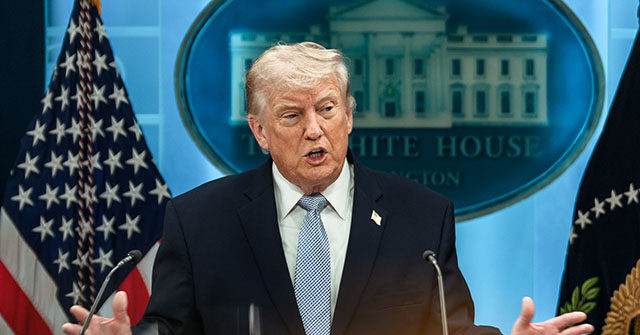
In a moment that could only be described as a merger of tech and tradition, President Trump welcomed titans of Artificial Intelligence (or should we say the newly minted ‘Super Intelligence’) to the White House to sign an accord that promises a new dawn for our digital overlords. At a press gaggle that felt more like a reunion of the world’s most powerful nerds, House Speaker Mike Johnson touted the 'White House Accord on Super Intelligence' as a watershed moment in corporate responsibility—though some might call it a corporate love fest.
This gathering featured the likes of Elon Musk, Mark Zuckerberg, and other tech luminaries who, after indulging in a lavish luncheon, emerged with a joint commitment to what can only be described as ‘robust internal controls.’ Because nothing says oversight like a group of billionaires deciding to keep an eye on themselves.
Still Beats Watergate:
Sponsor success. Continue reading:
Johnson, playing the role of the proud parent at a graduation ceremony, informed the press that these tech moguls are not just in it for the money but are also ready to lay their reputations on the line. "They love our country, they love the world," Johnson said, as he nodded approvingly at the executives, who must have been practicing their best earnest faces for the cameras.
But wait! There's more! Trump, in a fit of poetic ambition, compared this accord to a ‘constitution’—because nothing screams foundational governance like a document signed over lunch regarding the direction of future AI development. His words were laden with the gravitas only a president could summon, suggesting this agreement would herald an era of safety and accountability in the burgeoning field of artificial intelligence. Meanwhile, the AI industry collectively rolled its eyes in unison, no doubt wondering if this would prevent future public relations disasters.
Oversight and Accountability in AI Development
Under the terms laid out, the Super Intelligence providers are to implement layers of internal and external reviews, which sounds reassuring unless you realize that oversight often relies on the very people who need oversight in the first place. Zuckerberg chimed in, describing the principles as 'good steps,' because when you’re building potentially world-altering technology, you don’t want to just jump in blind, right?
As the executives signed, one can only imagine the atmosphere in the room—a mingling of excitement and trepidation as they scanned the faces of their peers and pondered the ethical dimensions of their work. The accord claims to set voluntary standards, which feels reminiscent of a group project in school where everyone agrees to do their part but then forgets to show up for the final presentation.
The Unofficial AI Constitution
As the world watches this unfolding drama, it’s hard not to feel a mix of cynicism and curiosity. Will this be a true turning point for AI governance, or just a series of sound bites designed to placate a wary public? With Congress and the White House keen to guide the industry, one can only hope that these tech leaders have more than just their interests at heart.
Only time will tell if this accord is a genuine commitment to responsibility or merely a clever rebranding effort in the face of mounting scrutiny. Perhaps in the future, we’ll see AI systems that are not only smart but also accountable—if that’s not an oxymoron in the making. For now, we can only sit back and wait to see how this political theater unfolds, peppered as it is with the grand aspirations of the tech elite as they craft the future of our digital existence.