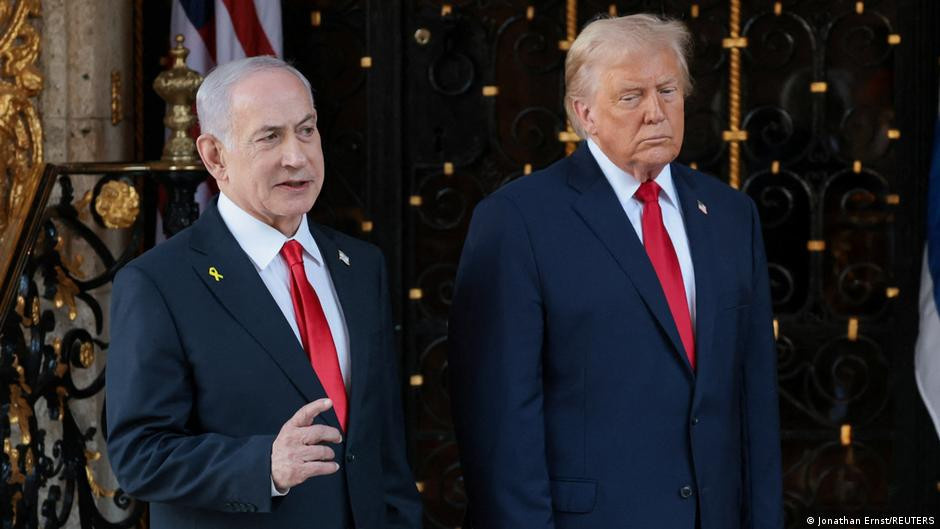
Senate Declines to Hold Administration Accountable for Deaths in West Bank
In a striking display of political theater, the United States Senate recently blocked a resolution that called for President Donald Trump’s administration to shed light on the deaths of nine Americans in the occupied West Bank. This resolution, which failed by a vote of 47-53, highlighted not just the deaths but also the treatment of Palestinian children under Israeli military detention, raising the stakes in an already fraught geopolitical landscape.
Introduced by Senator Chris Van Hollen, a Democrat from Maryland, the resolution cited a “lack of accountability” from Israeli Prime Minister Benjamin Netanyahu’s government and pointed out the U.S. administration's failure to secure justice. It was a bold move under the Foreign Assistance Act of 1961, which allows members of Congress to demand a formal report from the State Department on human rights practices of countries receiving U.S. security assistance. This act, however, seems to hold little weight when political loyalties are at stake.
As expected in today’s highly polarized Senate, the vote largely fell along party lines. Notably, Senator John Fetterman of Pennsylvania was the sole Democrat to oppose the resolution, while Republican Senator Rand Paul sided with the Democrats, breaking ranks from his party. This division underscores the complexities within U.S. political responses to international human rights issues, particularly when it involves a key ally like Israel.
Van Hollen articulated his frustration on social media prior to the vote, stating, “Violence is raging in the West Bank, and despite the deaths of nine Americans, the wrongful detention of even more, and the daily torment of Palestinians, we have no accountability from the U.S. or Israeli governments.” His remarks encapsulate the frustrations of those advocating for a more transparent and justice-oriented approach to U.S. foreign policy in the region.
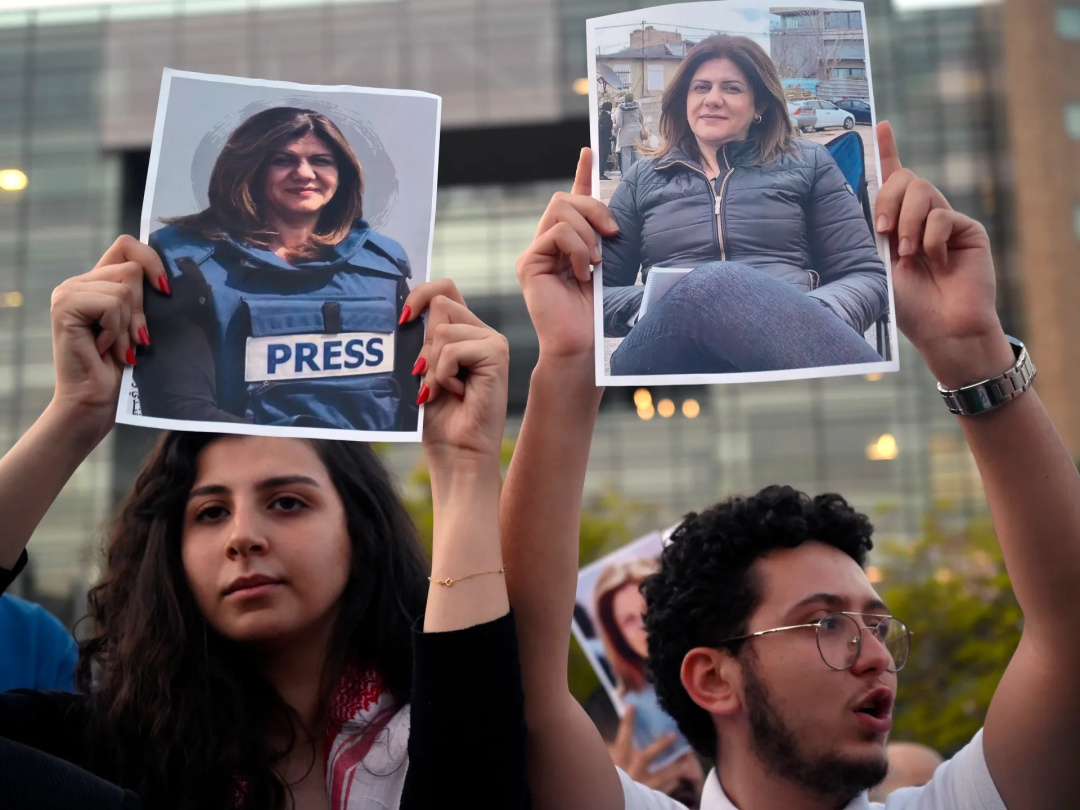
The resolution sought an unclassified report within 30 days detailing investigations into the deaths of American citizens, treatment of U.S. citizens in Israeli custody, and the appalling conditions facing Palestinian minors in military detention. Among the Americans whose deaths were cited is Shireen Abu Akleh, a renowned Palestinian-American journalist who was tragically shot and killed while covering events in Jenin in May 2022.
Rising Concerns Over Accountability and Human Rights
The list of fatalities included younger individuals like 14-year-old Amer Mohammed Saada Rabee and a number of others, all victims of a conflict that seems to deepen daily. Van Hollen's insistence on accountability speaks to a growing sentiment among some lawmakers that the U.S. must hold its allies to account, especially in light of documented abuses against Palestinians, including the detention of minors in harsh conditions.
The implications of blocking such a resolution extend beyond the Senate chambers and into broader discussions about U.S. foreign policy, human rights, and our obligations to protect citizens abroad. The blocked resolution also reflected a stark reality: amidst allegations of systemic abuse in Israeli military camps and increasing violence against Palestinians, Congress remains divided on how best to respond to these humanitarian crises, and more importantly, on whether to hold the administration accountable.
Political Fallout and Public Outcry
As the Senate continues to grapple with its stance on Israel and Palestine, public outcry over the administration's handling of such issues remains palpable. Activists and citizens alike are questioning the moral implications of U.S. support for Israel, especially in light of increasing violence and documented human rights violations. While some senators may view these resolutions as mere political maneuvers, the impact on real lives and international reputation is no trivial matter.
The decision to block this particular resolution may offer a glimpse into the future of U.S. foreign policy in the region, one that appears to prioritize political alliances over human rights advocacy. As tensions escalate and more reports surface regarding the treatment of Palestinians, it remains to be seen how the Senate will navigate this delicate balance of power, ethics, and accountability.