Trump's 32-Day Campaign Tour: A Recipe for Republican Disaster?
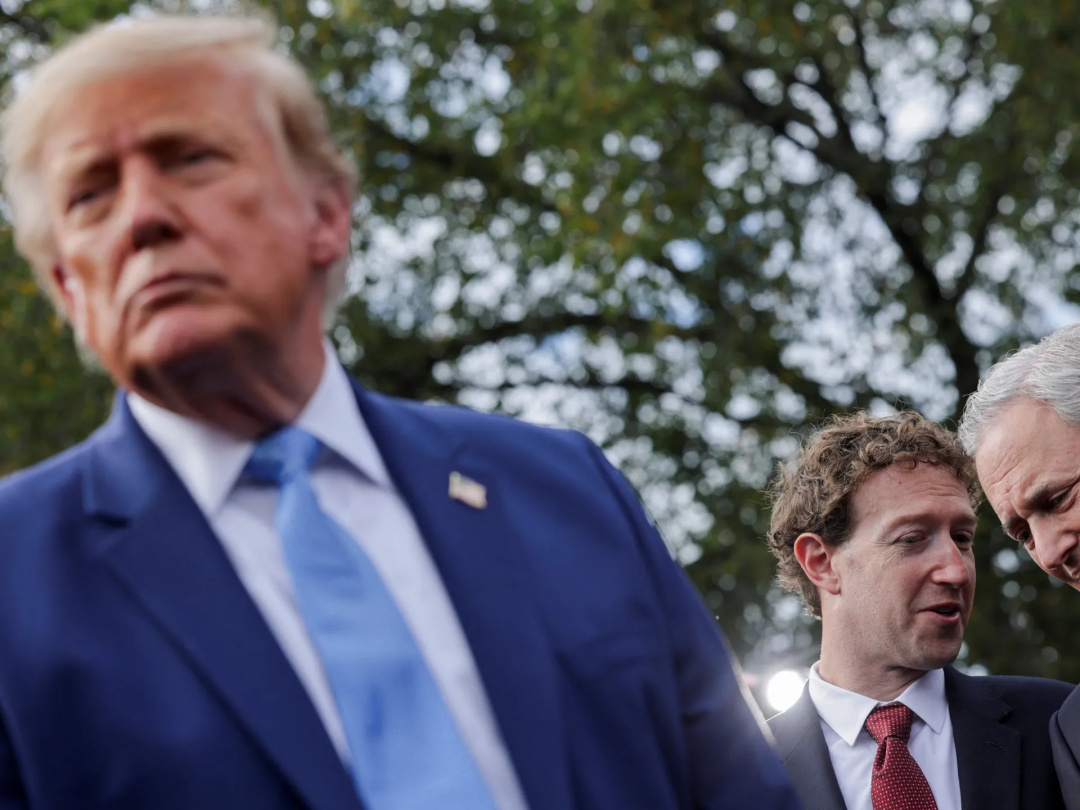
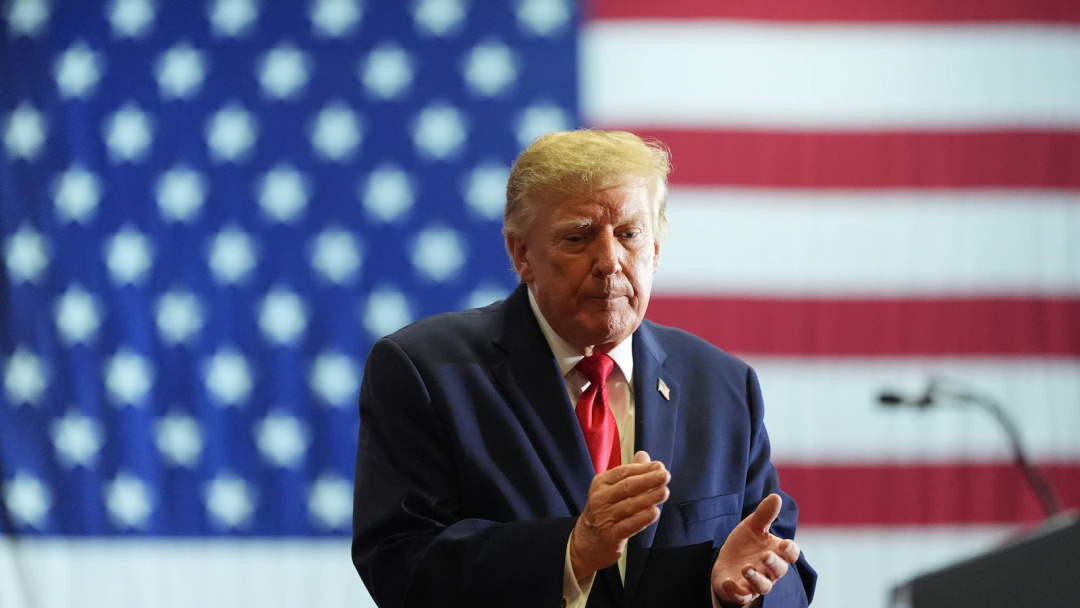
President Trump is set to embark on a 32-day campaign tour leading up to the midterm elections, a journey that could be more of a circus than a serious endeavor. With the stakes high—Congressional control hangs in the balance—Trump continues to brush aside concerns regarding his approval ratings, which have plummeted to a shocking 37 percent. This marks a record low for a sitting president before midterms, a feat only rivaled by George H.W. Bush in 1990.
As Trump traverses the nation, he seems oblivious to the fact that voters are not exactly rolling out the red carpet. Instead, many are expressing their frustration over soaring costs of living, a situation exacerbated by his own foreign policy decisions that have thrown global energy markets into chaos. In light of these challenges, the Republican Party finds itself in a precarious position, hoping to stave off a Democratic wave that could wash away their majorities in both the House and Senate.
Still Beats Watergate:
Sponsor success. Continue reading:
While Trump has characterized this tour as a much-needed effort to galvanize support for Republican candidates, it also appears to be a desperate attempt to consolidate his influence within the party as murmurs of distancing from him echo through the corridors of power. "You love me, and I love them," he declared confidently, insisting that candidates are eager for his presence on the campaign trail. The truth, however, may be more complicated, as political analysts speculate whether his fading popularity will ultimately hinder, rather than help, the GOP's chances.
Adding to the farce, recent polls indicate a rising discontent among the electorate, especially concerning Trump's costly military engagements abroad, particularly the war on Iran. Critics argue that such policies not only create international instability but also drain resources that could be better spent addressing domestic issues. In this climate of dissatisfaction, it remains to be seen whether Trump can effectively mobilize voters, particularly those who are reluctant to participate in the electoral process.
Taxpayer Dollars and Political Propaganda
Ironically, just as Trump's campaign is gaining steam, the Department of Homeland Security has come under fire for utilizing taxpayer dollars to create advertisements that glorify the president's administration. Several lawmakers, including Democratic Senator Patty Murray, have raised alarms, asserting that this blatant misuse of public funds could violate anti-propaganda laws, thus amplifying the already growing concerns over the integrity of the political landscape.
As Trump takes to the road, the burning question remains: will his tour rally enough support to counteract the brewing discontent among voters? Or will it serve as a painful reminder of the Republican Party's uphill battle in the coming elections? Only time will tell, but one thing is certain—this campaign is shaping up to be anything but ordinary.
A Campaign Strategy Or A Comedy Routine?
As November approaches, the political theater intensifies, and Trump's antics become ever more scrutinized. His supporters are optimistic that he can ignite the passions of low-propensity voters who may be disillusioned but still care enough to cast a ballot. Yet, with each statement and rally, the risk of alienating moderate Republicans looms large. His style, which many consider to be more akin to a reality television show than serious political engagement, is raising eyebrows, even among his staunchest defenders. Meanwhile, his critics are sharpening their knives, ready to pounce on any misstep.
In the end, Trump's campaign efforts may well reflect the absurdity of modern political contests, where the line between entertainment and governance continues to blur. While he gears up for what he claims will be a tour of triumph, the reality on the ground may paint a very different picture—one where humor, chaos, and political strategy collide in a most unpredictable fashion.